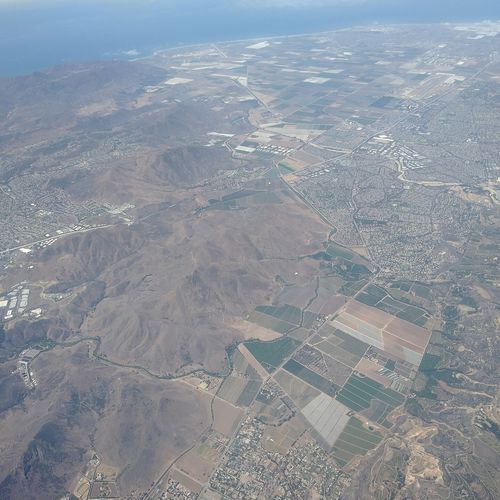

Drive Kanan Road south from Agoura Hills and somewhere between the tunnels and the ocean, “the mountains” quietly becomes “Malibu.” Ask five locals where that line actually falls and you’ll get five confident, contradictory answers. As someone who sells homes on both sides of it, let me settle the argument.
The short answer
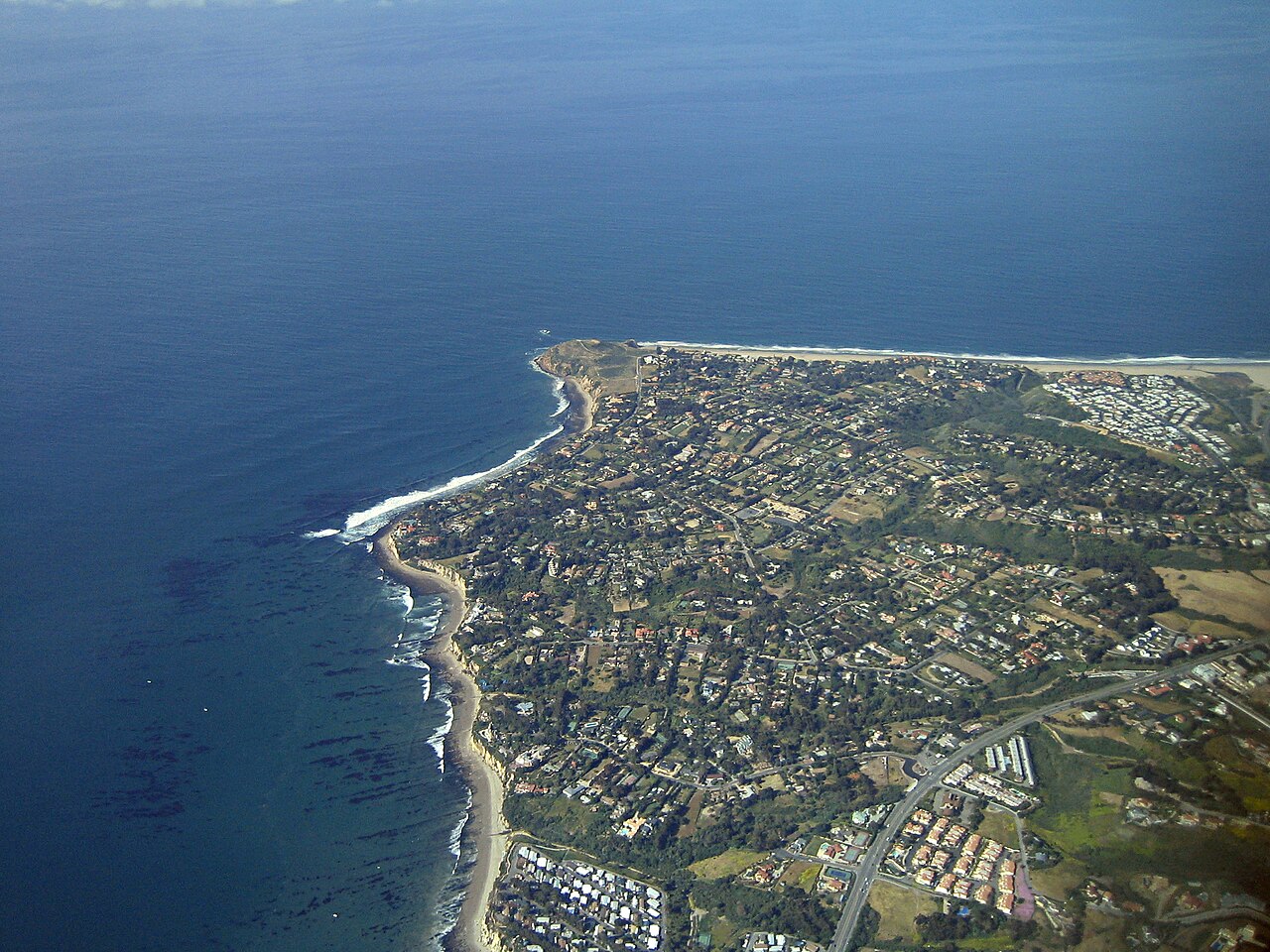
The City of Malibu hugs the coast. Its boundary runs along the ocean-facing side of the Santa Monica Mountains — so nearly everything on the inland side of the crest is not Malibu at all, but unincorporated Los Angeles County: Cornell, Malibou Lake, Seminole Springs, and thousands of acres of state and national parkland in between. Heading down Kanan toward the beach, you leave Cornell as you climb past the tunnels, cross miles of protected open space, and only enter the actual City of Malibu as you descend toward Pacific Coast Highway.
Then why does everyone call it Malibu?
Because the name is older than the city. The whole region takes its name from the Chumash word Humaliwo — “the surf sounds loudly” — and it was applied loosely to the mountains long before Malibu incorporated as a city in the early 1990s. That’s also why the mountain vineyards along Mulholland Highway market themselves as “Malibu wine country” while their mail says Agoura Hills, and why Malibou Lake — the private 1920s lake community near Cornell — spells its name with an “o” precisely to distinguish itself from Malibu Lagoon on the coast.
Why the line matters when you’re buying
The name on the mailbox is branding; the jurisdiction is real life. Which side of the line a property sits on determines your school district (the mountain communities feed Las Virgenes Unified), which agencies issue your permits, how your address is rated for insurance, and what rules govern your land. I’ve seen buyers fall for a “Malibu” listing that was legally an unincorporated county property — sometimes that’s a disappointment, and honestly, sometimes it’s an upgrade. You just want to know before you write the offer, not after.
The three-check habit
When you’re comparing mountain listings, check three things every time: the ZIP code, the school district, and the actual jurisdiction. Those three facts tell you what you’re really buying — everything else is marketing.
Curious about the mountain communities on the “not actually Malibu” side of the line? I wrote a complete guide to Cornell and Malibou Lake — where the name came from, how the private lake works, and what it’s like to own property there. And if you’re weighing a specific address anywhere in these canyons, call me. I know which side of the line it’s on without looking it up.
Gary Jacobs sells homes throughout the Conejo Valley and the Santa Monica Mountains — Westlake Village, Agoura Hills, Oak Park, Thousand Oaks, Newbury Park, and the canyon communities in between.