The name goes back to 1923, when developers used it for a subdivision in what is now the Old Town area; local tradition credits a boy named Bobby Harrington with the winning entry in a naming contest. The valley has far more than a thousand oaks, and the city protects them under its oak tree ordinance.
The Janss family planned much of the valley as a “total community,” residents incorporated the city in 1964, and today Thousand Oaks anchors the Conejo Valley — 126,000 people, the CVUSD school system, Amgen’s world headquarters, and a third of its land permanently preserved as open space.
Thousand Oaks is not one market. It is 177 named tracts and attached-home communities in the center and east of the city, from the 1960s houses around the Civic Arts Plaza to Lang Ranch and the gated neighborhoods of Rancho Conejo, each with its own years, plans, lot sizes and dues. The City of Thousand Oaks is larger than the name suggests: it also takes in Newbury Park on the west end and the Ventura County side of Westlake Village, including North Ranch. Those areas have their own guides and appear as grey areas on the map. Hover over or tap any area to see its name and photo, then click or tap it again to open its guide.
Outlines are approximate tract footprints drawn from the parcels in Ventura County records and the subdivision names on MLS sales, not legal boundaries. The darker grey areas are neighboring parts of the Conejo Valley; hover or tap for the name, then click or tap again to open that page.
Rabbits, lions, and how Thousand Oaks got its name
The valley was Conejo long before it was Thousand Oaks — Spanish for rabbit, and the name still attached to the school district, the recreation district and the grade you drive down from Camarillo. A post office opened here in 1875, when the settlement was a stagecoach stop on the run between Los Angeles and San Francisco.
Then came the lions. In 1927 Louis Goebel established his Lion Farm here, training exotic animals for the studios and drawing crowds who came to watch them perform. It grew into Jungleland, and for four decades this was the place Southern California families drove to see a tiger. The Conejo's oak savanna also made it a favorite location for filmmakers — The Birth of a Nation, the Tarzan pictures and The Adventures of Robin Hood were all shot in these hills, and production still comes here today.
The city incorporated on September 29, 1964, taking its name in honor of the oaks that cover the valley. At incorporation it held roughly 20,000 people across about 14 square miles. Today it spans 56 square miles with more than 127,000 residents — and it still protects those oaks with some of the strictest tree ordinances in the state, which is why a mature oak in a back yard is a permitting question and not just a landscaping one.
IncorporatedSeptember 29, 1964
SizeAbout 56 square miles
PopulationOver 127,000
Open spaceMore than 15,000 acres, 75+ miles of trails
SchoolsConejo Valley Unified (CVUSD)
IncludesNewbury Park and the Dos Vientos area
Thousand Oaks or Westlake Village? Where the line really is
A large part of the City of Thousand Oaks is known to everyone, including the post office, as Westlake Village. It is the most common source of confusion for buyers on this side of the Conejo Valley, so here is how it works.
The original Westlake master plan was laid out in the 1960s on the 12,000-acre Albertson Ranch, and it ran across the Los Angeles–Ventura county line. California does not allow one city to sit in two counties, so the two sides went separate ways. In 1968 and 1972, roughly 8,544 acres on the Ventura County side were annexed into the City of Thousand Oaks. The remaining 3,456 acres on the Los Angeles County side incorporated as the City of Westlake Village in 1981.
So North Ranch, Westlake Island, Foxmoor, Tiffany Oaks and dozens of other neighborhoods from the Westlake plan are legally Thousand Oaks. They get Thousand Oaks city services and permits, pay Ventura County property taxes, and are in Conejo Valley Unified, which is where Westlake High School is. But they carry a Westlake Village mailing address in ZIP code 91361 or 91362, they are marketed as Westlake Village, and that is how buyers search for them.
City of Thousand OaksVentura County · incorporated 1964 · includes Newbury Park and the Ventura County side of the Westlake master plan · Conejo Valley Unified schools
The Westlake Village part of Thousand OaksAbout 8,544 acres annexed in 1968 and 1972 · Westlake Village mailing address, ZIP codes 91361 and 91362 · North Ranch, Westlake Island, Foxmoor, Tiffany Oaks and more · Westlake High School
How this site handles it: those neighborhoods are mapped and written up under Westlake Village, where each one has its own guide, and the Explore Areas map draws them as part of the Westlake Village area rather than Thousand Oaks. This page covers the rest of the city. Newbury Park, at the west end, has its own page as well.
Before you write an offer, confirm the city, the county and the school assignment for the specific address, not the name on the listing. Gary checks this on every transaction on this side of the valley.
Newbury Park: the west end of Thousand Oaks (91320)
Newbury Park is a section of the City of Thousand Oaks, not a separate city. It has its own name, its own post office and its own ZIP code, 91320, which is why listings, mail and most residents say Newbury Park rather than Thousand Oaks. Most of it sits inside the Thousand Oaks city limits; Casa Conejo, a small pocket in the middle of it, is unincorporated Ventura County. Dos Vientos is part of it.
For a buyer the practical points are the same as the rest of the city: Thousand Oaks city services and permits, Ventura County property taxes, and Conejo Valley Unified schools, with Newbury Park High School as the high school. What differs is the feel: cooler, closer to the mountains and the coast, and farther from the east-side employment centers.
How this site handles it: Newbury Park has its own area page, and the Explore Areas map draws it by its 91320 ZIP code as its own clickable area, separate from the rest of Thousand Oaks.
What the homes are like, era by era
Thousand Oaks was built out over about 50 years, and the build era tells you a lot about a house before you see it.
1960s and early 1970s — the first wave
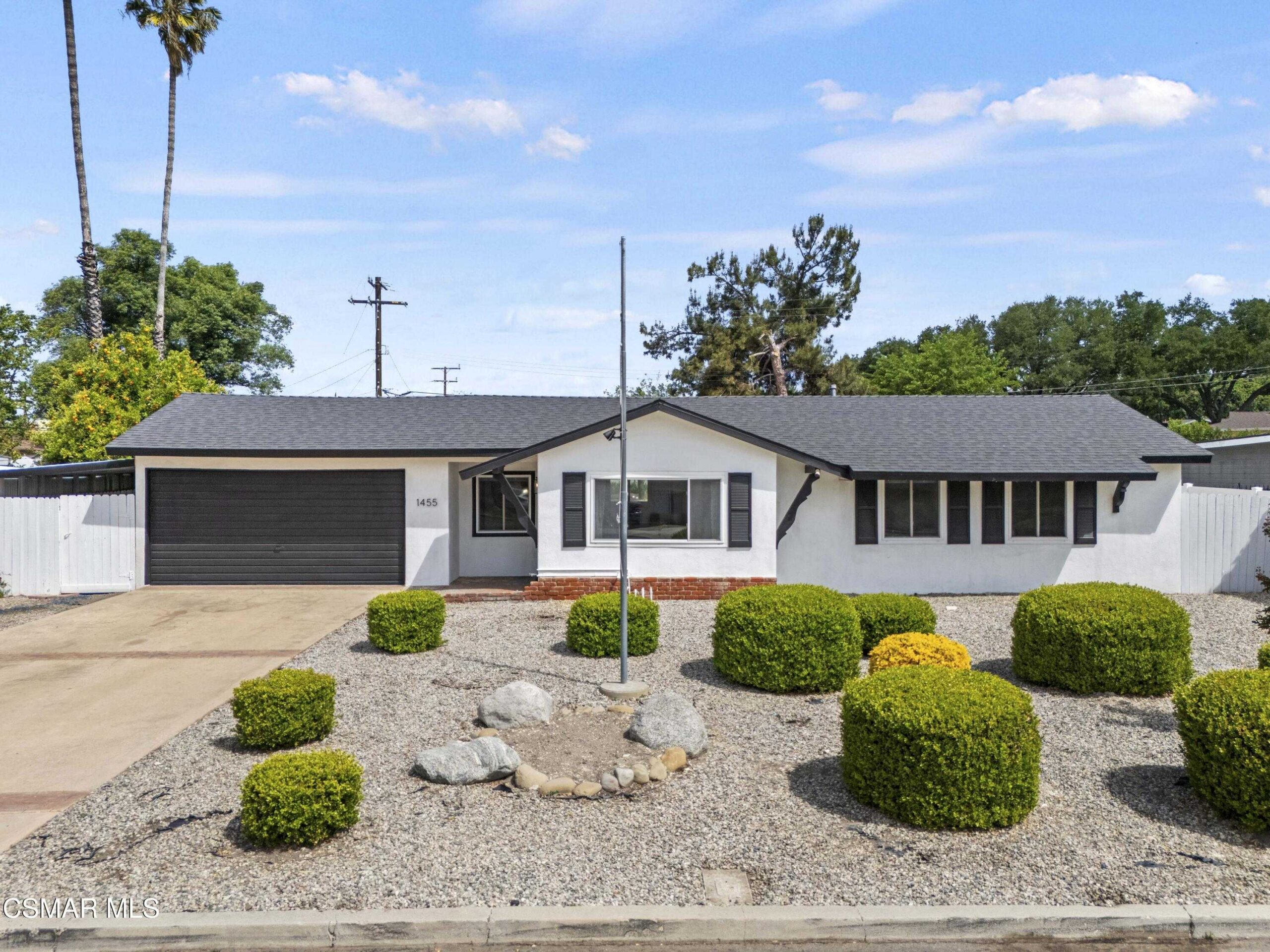
The first tracts, around the older core, built from the late 1950s into the early 1970s: Conejo Country Homes, Shadow Oaks, Greenwich Village, Springtime, Conejo Oaks and many others. Mostly single-story ranch houses of about 950 to 1,800 square feet on lots of about 10,000 square feet; Conejo Oaks is on half-acre lots. These are the least expensive detached houses in the city, and condition varies widely from house to house.
Mid 1970s to 1980s — the family expansion
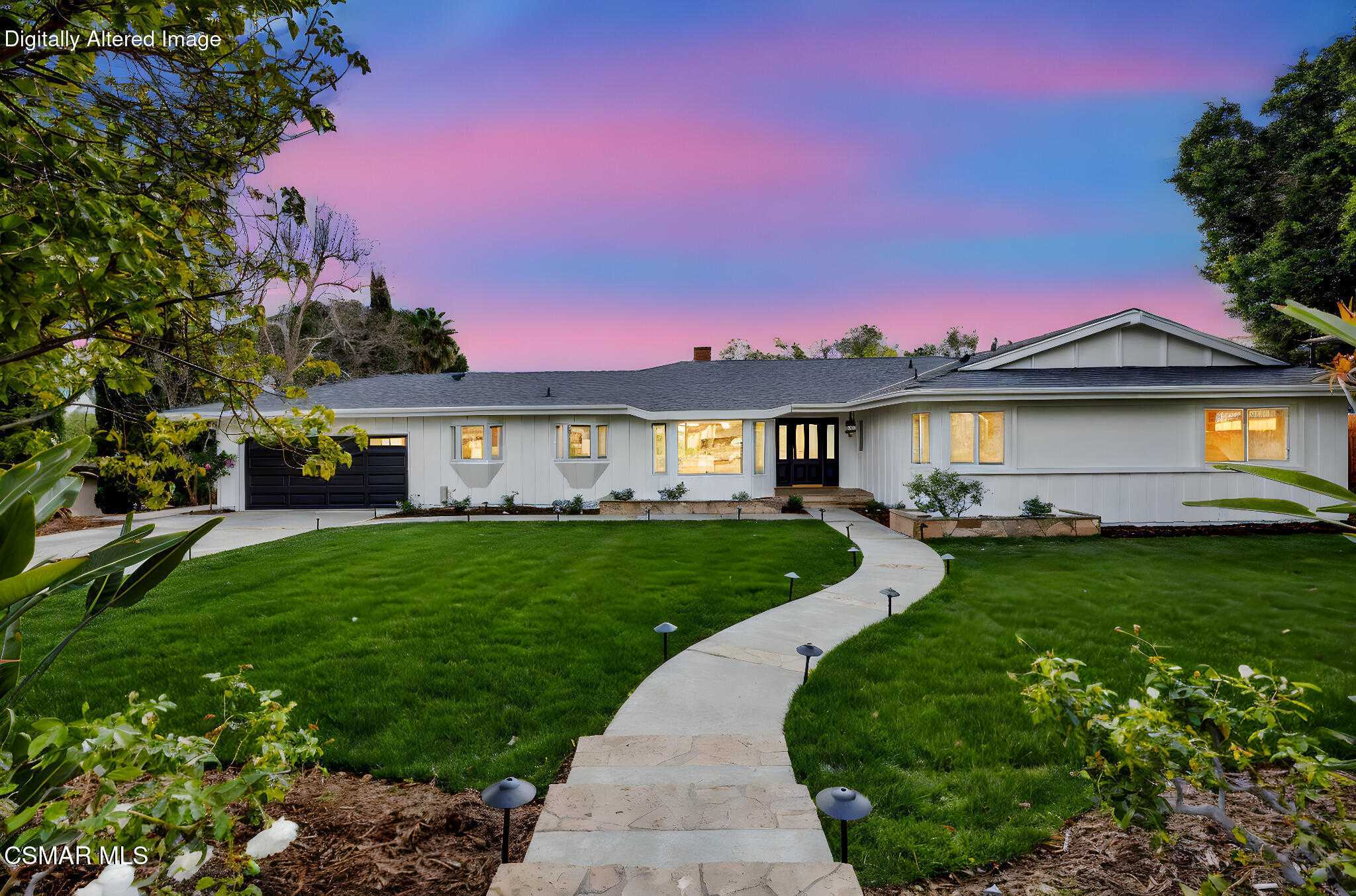
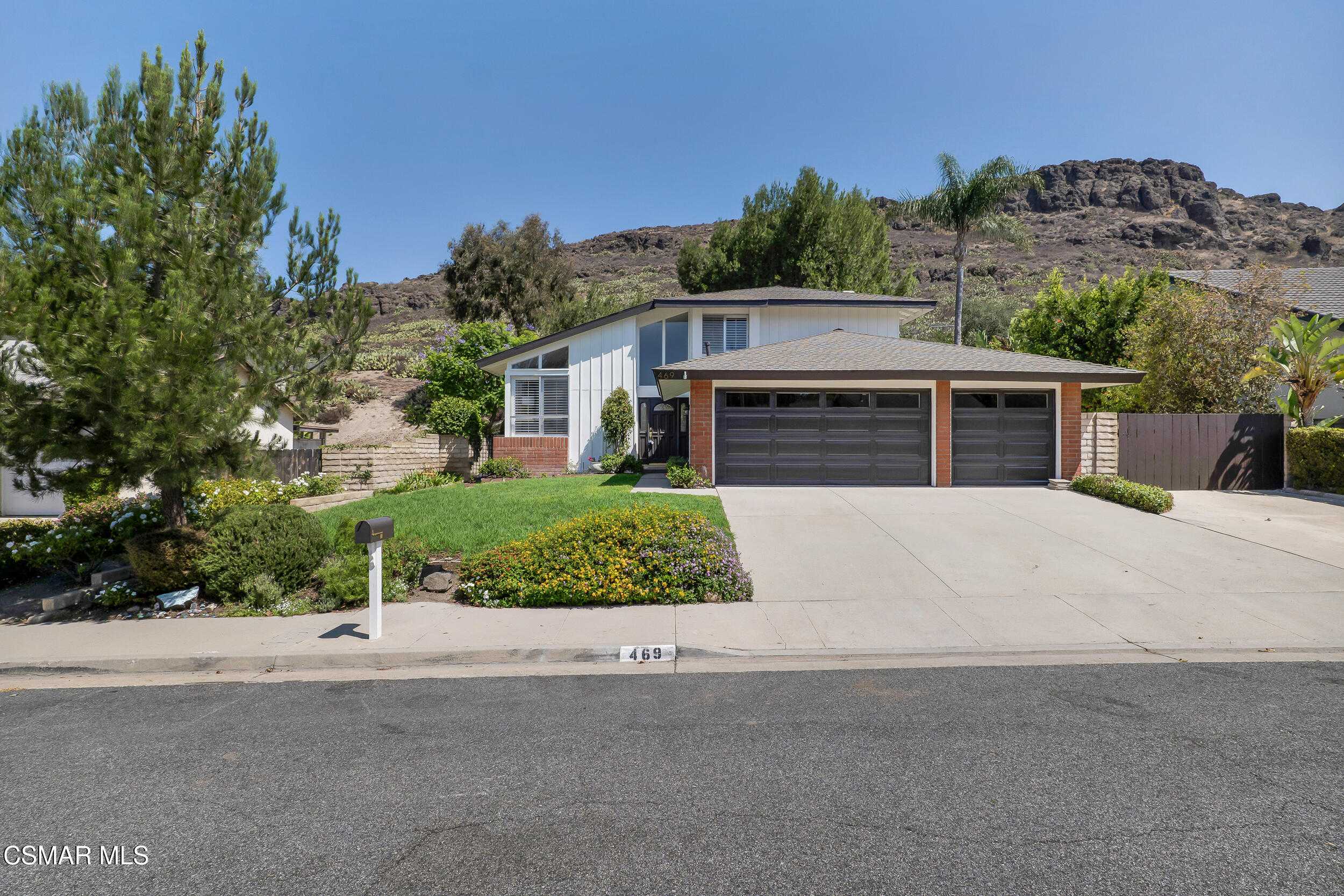
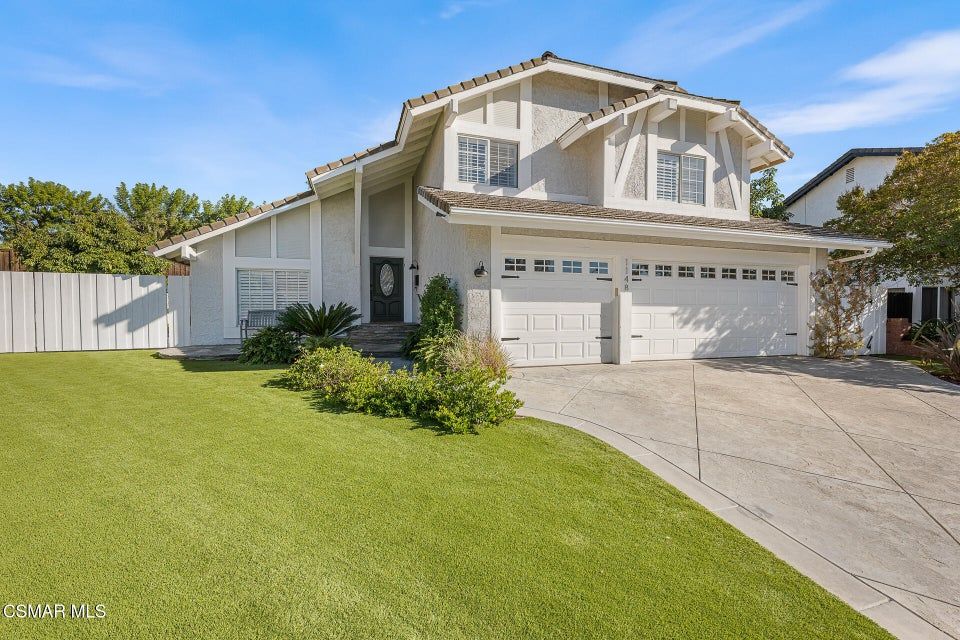
More two-story four-bedroom plans, roughly 1,900 to 2,800 square feet, and split-levels on hillside lots. Sunset Hills, Heritage Hills, Copperwood, Chanteclair and the Oakbrook tracts are from this period, and many carry small association fees.
1990s to 2000s — the hillside and master-planned tracts
Lang Ranch in the northeast (Meadow Wood, Verdigris, Eagleridge, Summit, Woodridge Estates), and Rancho Conejo and Dos Vientos in Newbury Park. Larger two-story plans on smaller lots, almost all with an association, some gated.
Large lots
Rolling Oaks, Los Robles Hills and Enclave have lots of about an acre or more, and Conejo Oaks and Hauser Circle about half an acre. Houses on these lots vary much more than in the tracts. Rolling Oaks and Lynn Ranch are unincorporated Ventura County, not the City of Thousand Oaks.
Condos and townhomes
Dozens of complexes across the city. See the section below.
In a city this size, two homes with identical bedroom counts and square footage can be a quarter-million apart because of the tract. If a listing's price looks wrong to you, the tract is almost always the explanation.
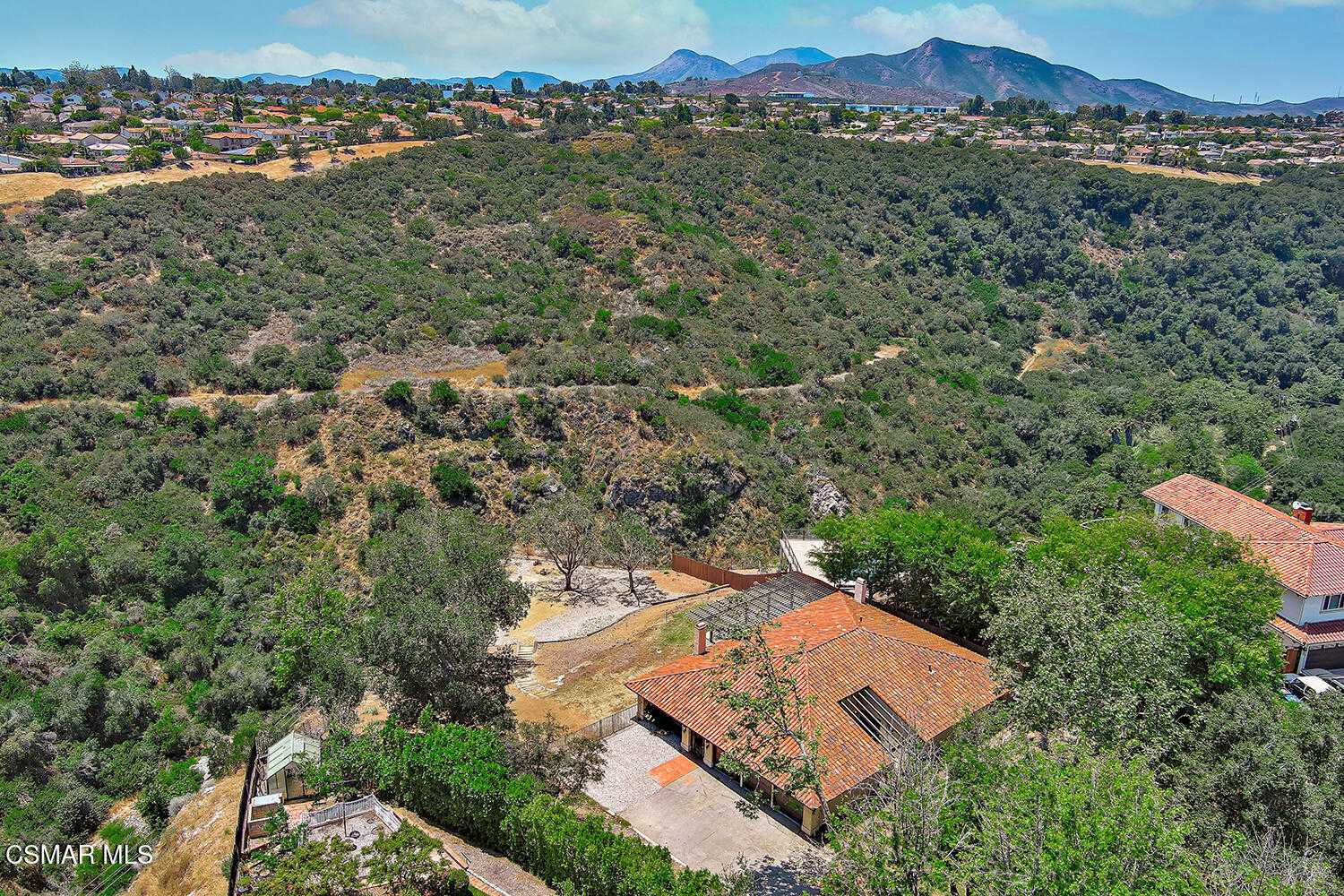
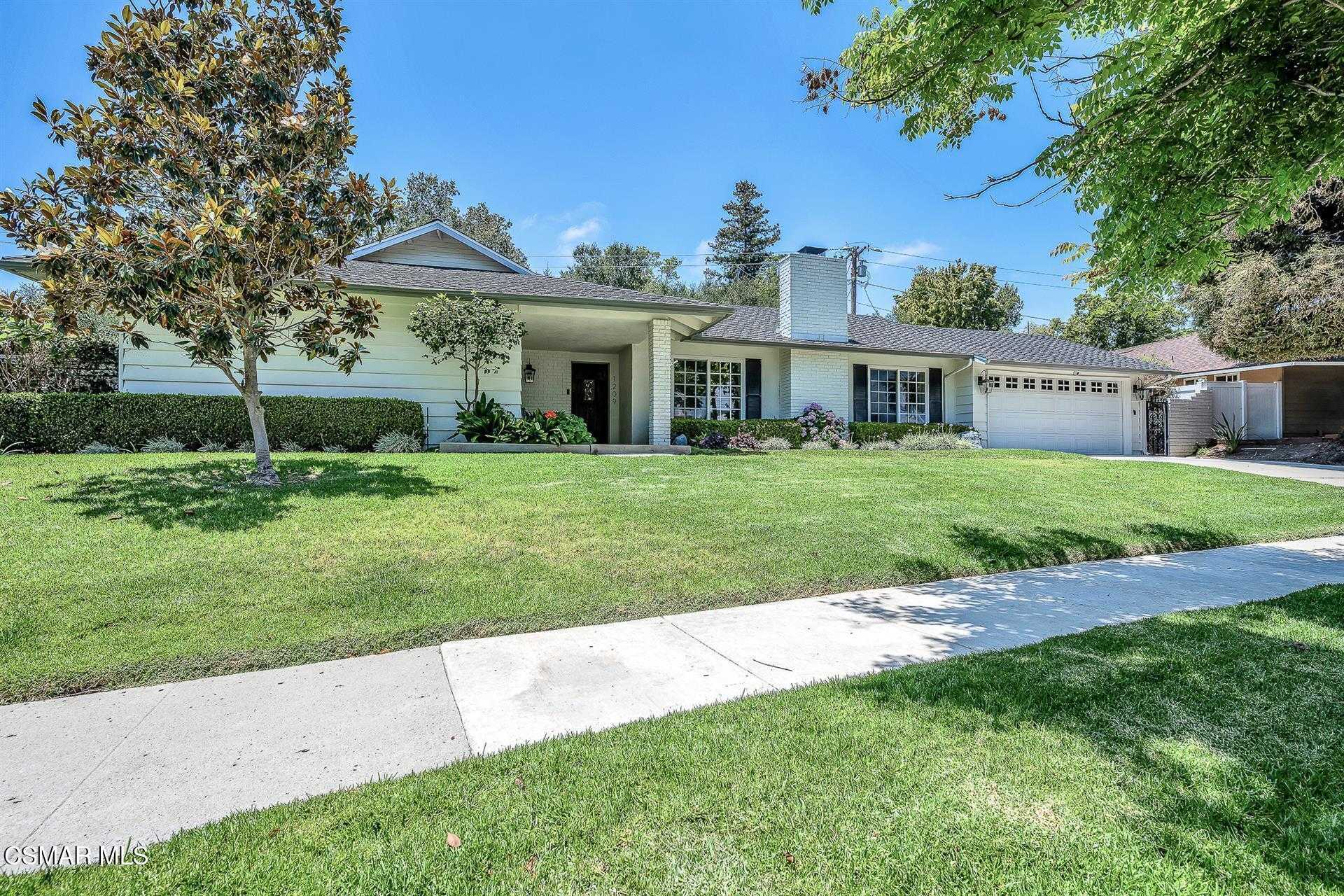
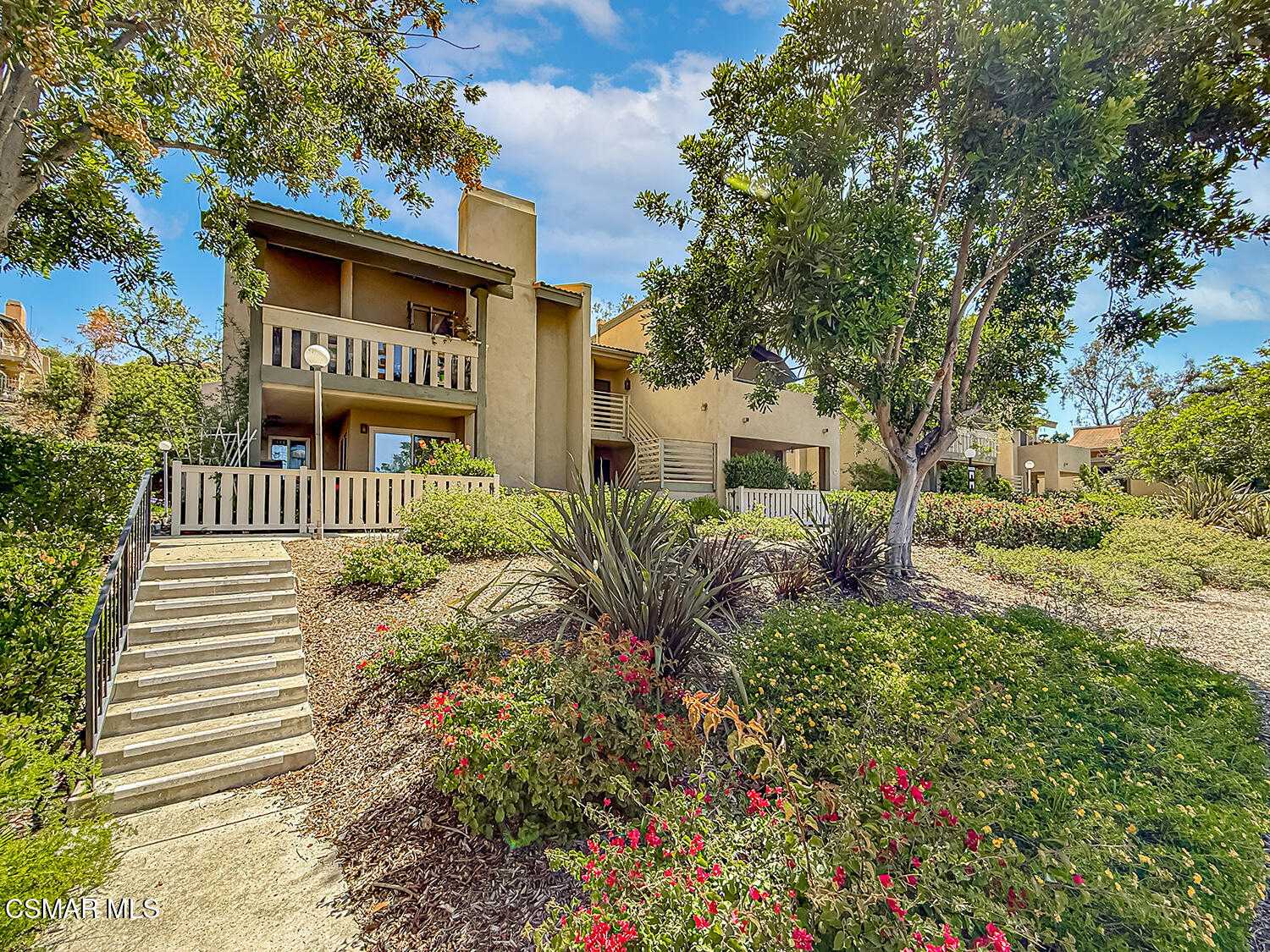
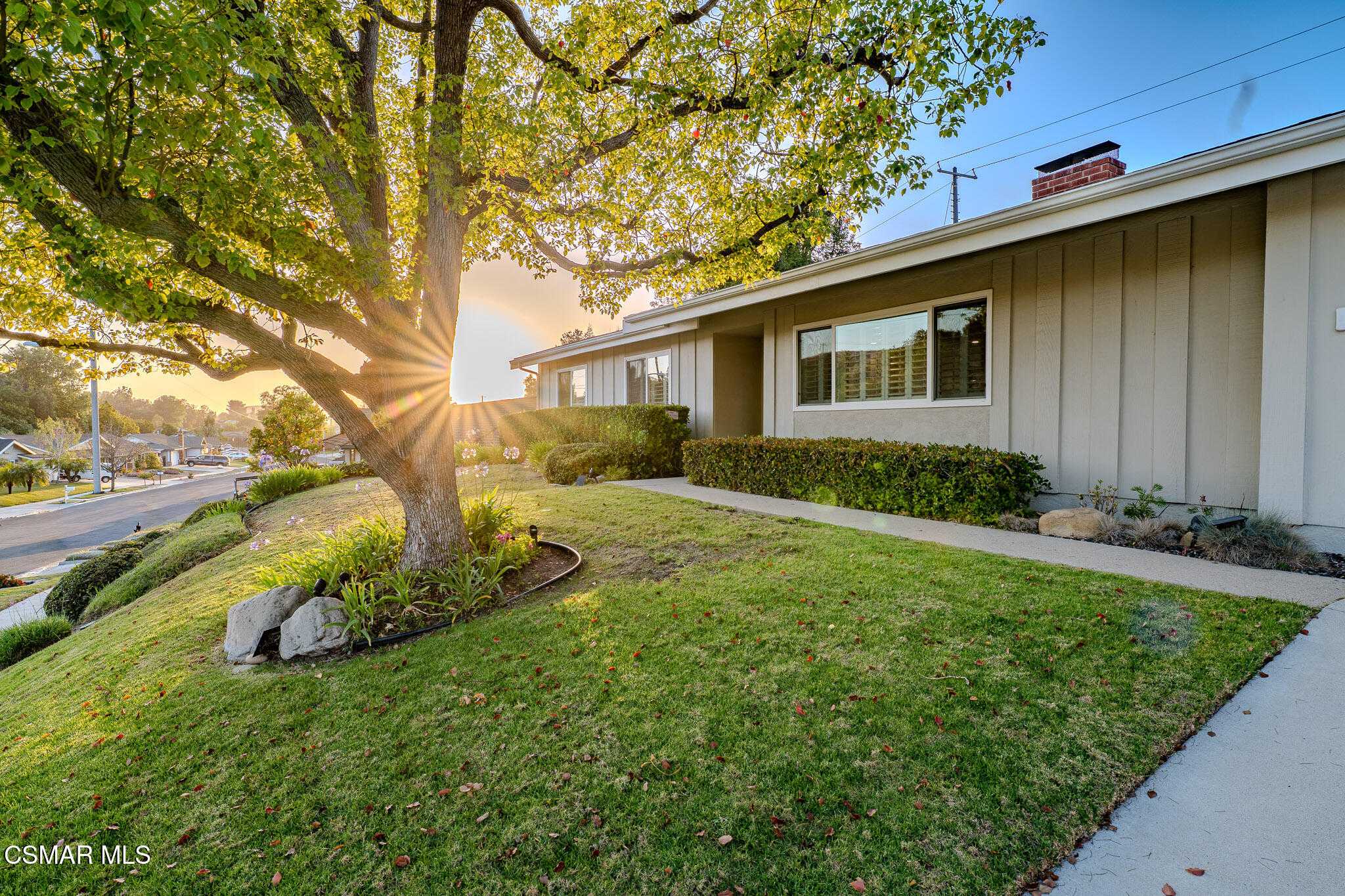
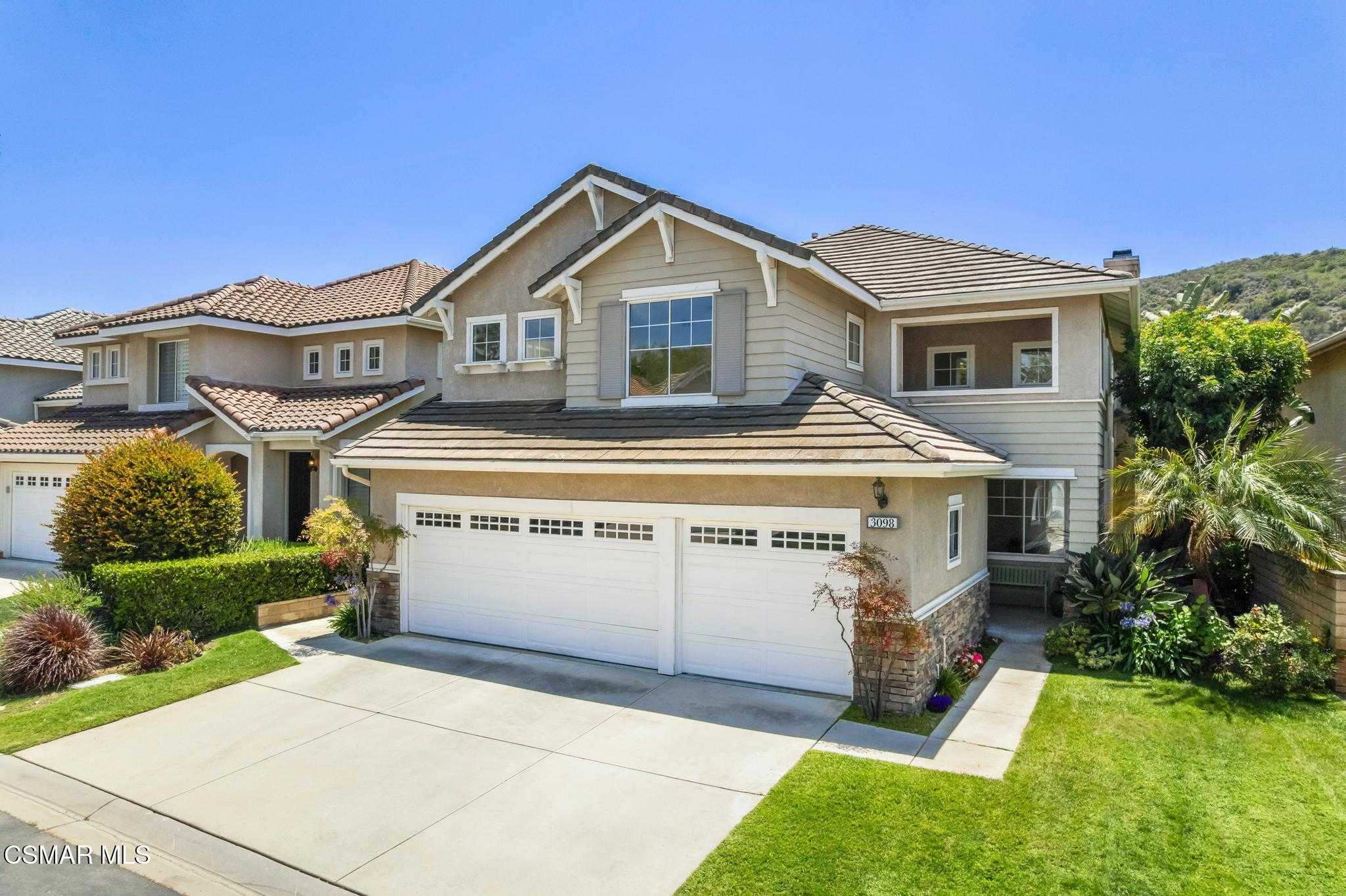
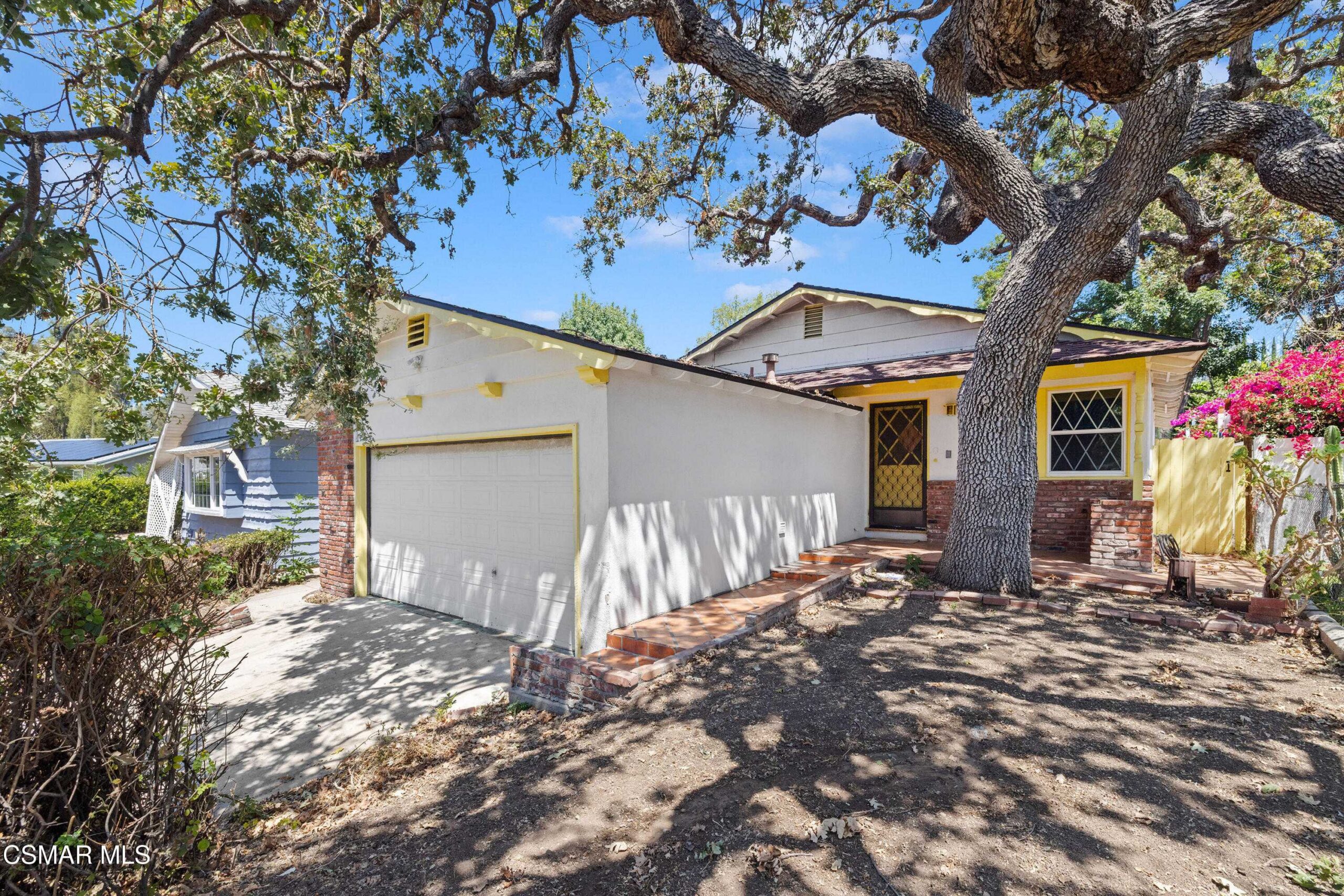
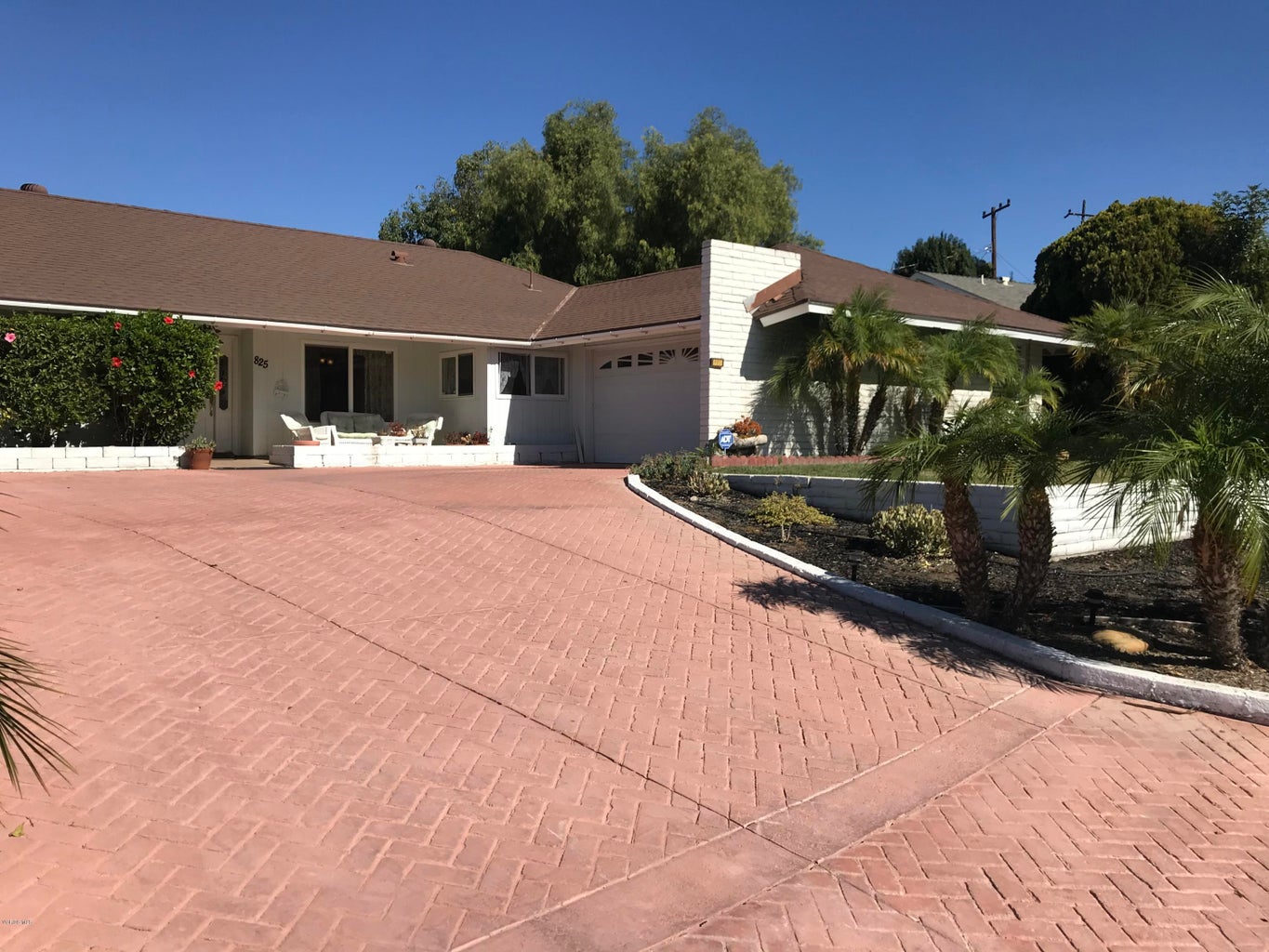
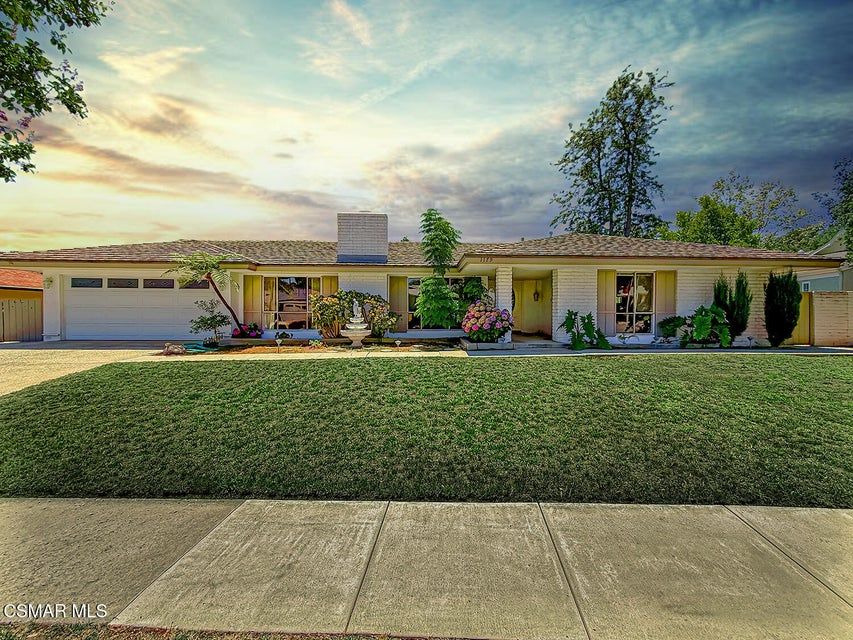
Thousand Oaks homes Gary has sold — see the full stories
Each of these has its own page on the preparation, pricing, marketing and result.
Also in Thousand Oaks: 245 Oakleaf Drive #103 sold at the highest price ever recorded for an Oaknoll condo, as of closing — a value-add renovation taken through to resale. It's flagged on the map with the rest of the track record.
Nearly all of Thousand Oaks — including Newbury Park and Dos Vientos — is served by Conejo Valley Unified School District. Unlike neighboring Oak Park, which runs its own small district, CVUSD is large, which means which school you feed into varies meaningfully street by street.
The high schools
The district's comprehensive high schools are Thousand Oaks High, Westlake High and Newbury Park High, plus continuation and alternative programs. Each has a distinct identity and a distinct attendance area, and the boundaries do not follow the neighborhood names people use in conversation.
The thing that catches buyers out
Attendance areas are drawn by the district and can be adjusted. A home marketed as being "in the Westlake High area" may or may not still be, and a street can sit a block from one campus while feeding into another. Real estate listings are not the authoritative source for this — the district is.
Always verify the assignment for the specific address with CVUSD before you write an offer, especially if school assignment is driving your decision.
Oak Park Unified next door takes some students from outside its boundaries through its District of Choice program.
Condos and townhomes: the Thousand Oaks entry point
The city has dozens of condo and townhome complexes, from 1970s complexes near Thousand Oaks Boulevard to newer townhomes on the hillsides. Most units are between about 650 and 2,000 square feet.
Who buys them
First-time buyers priced out of detached homes in the same neighborhoods
Downsizers who have raised a family here and have no intention of leaving the Conejo Valley
Professionals working at Amgen, Los Robles or in the Conejo employment corridor who want a short commute
Investors, subject to each association's rental restrictions
How condo prices work
Condo buyers compare units within a complex, so a unit is priced against the same plan in the same complex, not against the whole city. Condition and the plan matter most.
What to check before you commit
HOA dues and what they cover, the reserve study, any pending special assessment, rental caps, and the association's current insurance situation — that last one has become a genuine obstacle to financing in some Southern California complexes.
HOAs in Thousand Oaks: who has one, and what it covers
It depends on the tract.
Most of the original 1960s–1980s single-family tracts have no HOA. You own your lot, you maintain it.
Newer master-planned and hillside tracts — Dos Vientos, parts of Sunset Hills and the newer Wildwood-adjacent developments — commonly do, typically covering common-area landscaping, slopes, entry monuments and sometimes private streets or gates.
Country-club and gated communities carry higher dues and, in some cases, separate club membership questions that are not part of the HOA at all.
Every condo and townhome community has one, covering exteriors, grounds, usually a pool, and a master insurance policy.
The city’s parks and trails are run by the Conejo Recreation and Park District and COSCA, not by associations, so a street with no association still has the same access to them.
Dues, reserves and rules all change. Get the current documents before relying on a number.
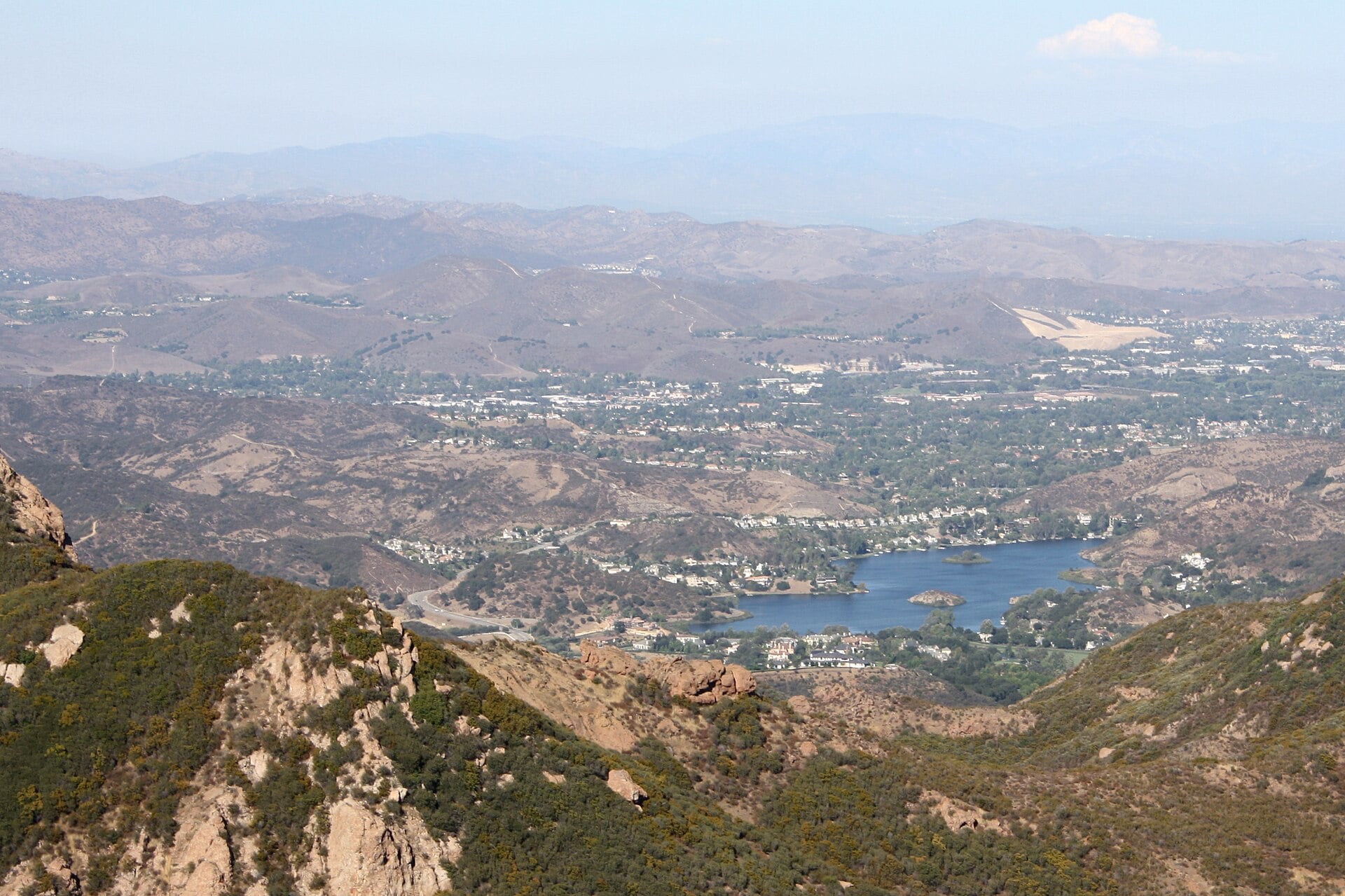
More than 15,000 acres of open space — and 75 miles of trails
The city has preserved more than 15,000 acres of open space with over 75 miles of trails — a deliberate, decades-long acquisition program, not an accident of topography.
How it works
The Conejo Open Space Conservation Agency (COSCA), a joint effort of the City of Thousand Oaks and the Conejo Recreation and Park District, acquires and manages the land. The park district runs the developed parks and recreation programs. Between them, most homes in the city are within a short walk or drive of a trailhead.
The ones people actually use
Wildwood Regional Park — Paradise Falls, the Mesa, and the most-photographed trail system in the valley
Conejo Canyons and the Western Plateau — bigger country, fewer people
Los Robles Trail — the long spine running east–west across the valley, connecting toward the Santa Monica Mountains
Conejo Valley Botanic Garden — a quieter option, good with small children
Preserved open space cannot be built on, which also limits how much new housing the city can add.
Daily life: the Lakes, the Civic Arts Plaza, and the boulevard
The Lakes at Thousand Oaks is the outdoor dining and gathering core — a fountain plaza with restaurants, ringed by the civic buildings.
The Bank of America Performing Arts Center — still called the Civic Arts Plaza by everyone who lives here — anchors it, with touring theater, music and comedy. It sits roughly where Jungleland once stood.
Thousand Oaks Boulevard runs the length of the city as its commercial spine, with The Oaks mall at the eastern end for department-store shopping. Most neighborhoods have a grocery store within a few minutes.
Work and healthcare: Amgen, Los Robles, and the "live where you work" market
Thousand Oaks has a large local job base. Amgen, one of the world's largest biotechnology companies, is headquartered here with a large campus and a workforce to match. Around it sits a broader Conejo Valley corridor of biotech, medical device, aerospace-adjacent and professional employers.
Los Robles Regional Medical Center is the valley's main hospital, a trauma center and a significant employer in its own right, drawing physicians and staff who want to live near their shifts.
Microclimates: why the west side wears a sweater
The Conejo Valley has noticeable microclimates.
The west side — Newbury Park, Dos Vientos and the areas closest to the Conejo Grade — gets the marine influence pulled up from Camarillo and the coast. Cooler, breezier, more morning fog, and noticeably milder in a heat wave.
The east side — toward Westlake Village, North Ranch and the Oak Park border — runs warmer and calmer, more like the west Valley.
The hillsides sit above the inversion on many mornings, with clear sun while the valley floor is still grey, and take more wind during a Santa Ana event.
The spread between the two ends of the city can be ten degrees or more on a summer afternoon. It is worth visiting a neighborhood at the time of day you would actually be home.
Getting around: the 101, the Grade, and the canyon routes
The 101 runs the length of the city and is the spine of everything. What matters is which end you're on and which direction you go.
East to the west Valley (Woodland Hills, Warner Center) — the common commute, and the one that fills up first in the morning
West over the Conejo Grade to Camarillo, Oxnard and Ventura — the descent that marks the county's change in climate as much as elevation
South to the beach — Westlake Boulevard (Highway 23) through Hidden Valley to the Pacific Coast Highway, one of the better drives in Southern California; or Kanan Dume from Agoura
North to Simi Valley and the 118 — via Moorpark Road and the 23
Commute times
Within the Conejo Valley, driving is easy — most trips are ten to fifteen minutes. To the west Valley it's manageable. To downtown Los Angeles or the Westside it is a genuine commitment and you should test it before you commit to it, at your real departure time, in both directions. A Newbury Park address adds meaningfully to an eastbound commute compared with the Westlake end of the city, and that difference is invisible on a map.
Fire, brush clearance and insurance
Large parts of Thousand Oaks sit against preserved open space, and that cuts both ways: it's the reason the city is beautiful and the reason wildfire risk is a real consideration.
Brush clearance is an enforced annual obligation for properties bordering open space. Know your defensible-space requirements and budget for the work.
Insurance has tightened across wildland-adjacent Southern California. Availability and price vary property by property, and a specific address's hazard-zone designation matters far more than the city's overall reputation.
Get quotes during the inspection period, not at the end of escrow. This is the most common late-stage surprise in this market and it is entirely avoidable.
Hazard maps, insurer appetite and FAIR Plan terms change. Check the current designation and get quotes for the specific address.
Buyer FAQ: addresses, boundaries, HOAs and costs
Is Newbury Park part of Thousand Oaks?
Yes. Newbury Park is a community within the City of Thousand Oaks with its own mailing address and its own feel — cooler, closer to the mountains, further from the east-side employment centers. Dos Vientos sits within it.
Why do some Thousand Oaks homes have Westlake Village addresses?
Because postal boundaries and city boundaries are not the same line. A number of North Ranch homes sit inside Thousand Oaks city limits while carrying Westlake Village addressing. It affects which city you pay and vote in, and occasionally confuses online property data.
Which school will my child attend?
Verify with Conejo Valley Unified for the specific address. Attendance boundaries do not follow neighborhood names and can be adjusted.
Does every home have an HOA?
No — most older single-family tracts have none. Newer master-planned areas, gated pockets and all attached homes do.
What should I budget beyond the mortgage?
Property taxes plus any special assessments (Mello-Roos exists in some newer developments — always check), HOA dues where applicable, insurance with an early quote, and brush clearance if you back to open space.
Is it as safe as people say?
Thousand Oaks has for many years been ranked among the safest cities of its size in the United States. Current statistics are published by the city and the Ventura County Sheriff's Office, which provides police services here.
Seller FAQ
What's different about selling in a city this size?
There are more homes for sale at any time than in the smaller cities nearby, so buyers can often compare several houses in the same tract. Condition and price against recent sales of the same plan matter most.
Should I renovate before selling?
It depends on the tract. Compare remodeled and original sales of the same plan in the same tract before spending.
When should I list?
Spring has the most buyers, because families move around the school year, and also the most competing listings. Fall usually has fewer listings to compete with.
How do I find out what my home is really worth?
Automated estimates cannot see condition. Recent sales of the same plan in the same tract are the best guide.
Thinking about buying or selling in Thousand Oaks? Gary Jacobs can pull the recent sales for a specific tract or address.
Drive Kanan Road south from Agoura Hills and somewhere between the tunnels and the ocean, “the mountains” quietly becomes “Malibu.” Ask five locals where that line actually falls and you’ll
Camarillo is the inland counterweight to the coastal cities around it: a Pleasant Valley commuter town where the draw is newer housing, strong schools, room to spread out and an easy 101 shot to Los Angeles. It’s t
Oxnard is the biggest city in Ventura County, and it contains multitudes: oceanfront canal homes, a working harbor, a historic downtown, a famous strawberry economy and everything in between. That range is exactly why it
Ready To Take
Ready to take The Next Step?
Whether you are thinking about buying, selling, or just exploring your options, Gary Jacobs and his team are here to provide clear guidance and trusted local expertise across Los Angeles and Ventura County.
One tap with Google, Facebook or Apple creates your profile — save homes, searches and tracts, get alerts, and pick up where you left off on any device.
Check your email
We sent a sign-in link to . Tap it on this device and you’re in — no password needed.
Want alerts by text as well?
The information being provided by Conejo Simi Moorpark Association of REALTORS® (“CSMAR”) is for the visitor's personal, non-commercial use and may not be used for any purpose other than to identify prospective properties a visitor may be interested in purchasing or leasing.
Information relating to properties referenced on this web site may originate from the Internet Data Exchange (IDX) program of CSMAR. This web site may reference real estate listing(s) held by a brokerage firm other than the broker and/or agent who owns this web site.
Any information originating from CSMAR, relating to a property, regardless of source, including but not limited to square footages and lot sizes, is deemed reliable but not guaranteed and should be personally verified through personal inspection by and/or with the appropriate professionals.
Listing data originating from CSMAR is copyrighted by CSMAR and is protected by all applicable copyright laws. Any dissemination of this information is in violation of copyright laws and is strictly prohibited.