Current Population
Discover
Oak Park
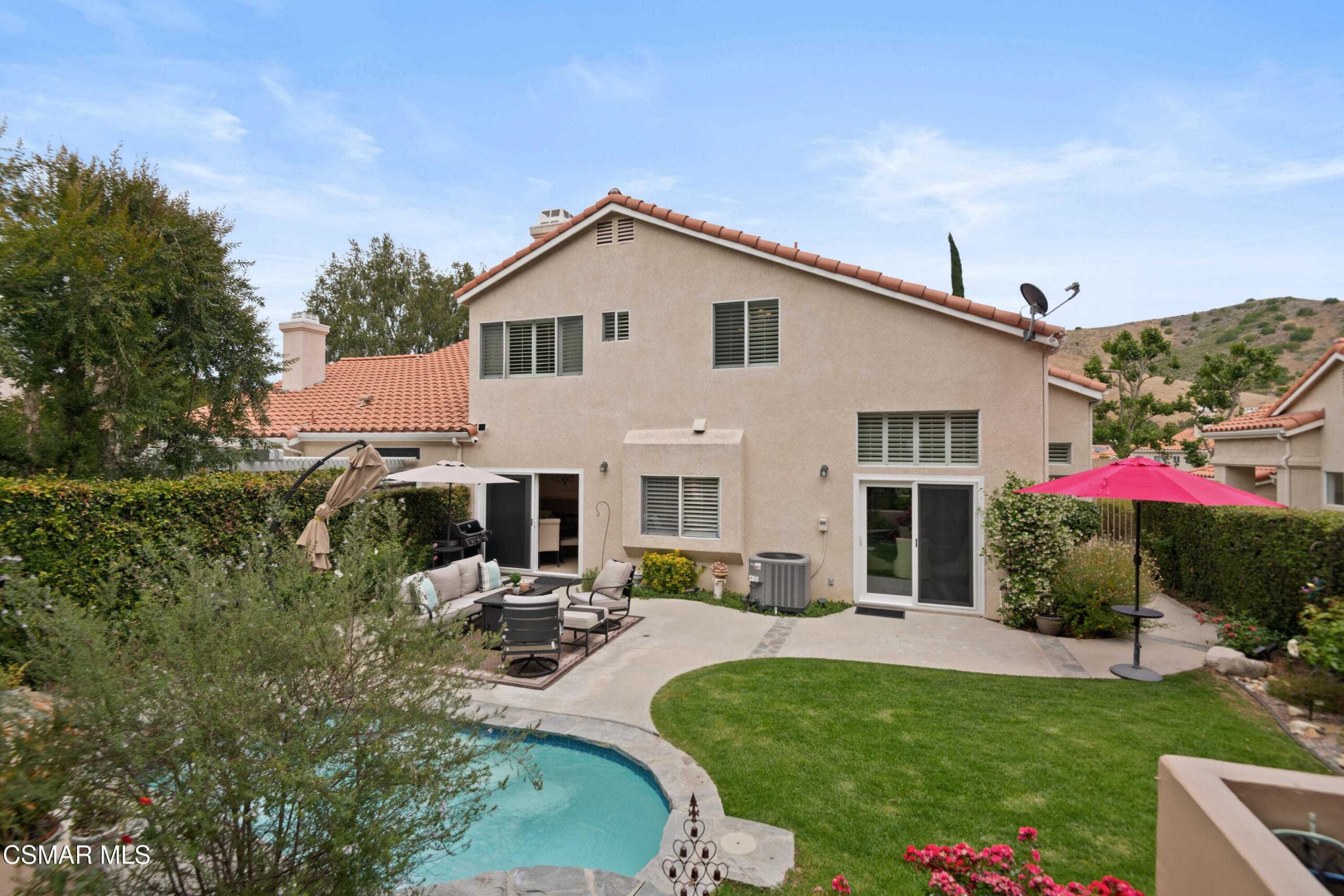
Oak Park is the Conejo Valley community that families pick on purpose. It isn’t a city — it’s the largest unincorporated community in Ventura County, tucked into 5.3 square miles at the end of Kanan Road — and it’s organized around exactly one idea: schools. Oak Park Unified is its own small district serving only Oak Park, and it has ranked among California’s best for decades.
Add trailheads at the end of nearly every street, a true small-town feel of about 14,000 residents, and homes that hold value stubbornly well, and you get a community where inventory is scarce because nobody’s in a hurry to leave.
Popular Oak Park neighborhoods
Oak Park is not one market. It is a set of named tracts and attached-home communities, each with its own years, floor plans, lot sizes and dues — and values that run from a $470,000 condominium in Shadow Ridge to $2,600,000 on the big lots of Morrison Estates. Each outline on the map is drawn from the parcels in Ventura County assessor records, and every neighborhood has its own full guide: hover an outline for a preview and click it to open the guide, or use the alphabetical list below the map.
Outlines are drawn from the parcels in Ventura County assessor records for each neighborhood. They are approximate, not legal boundaries.
Oak Park neighborhood guides
- Bent Tree
- Canyon Cove
- Capri West Oaks Park
- Chambord
- Chaparral Estates
- Country Glen
- Country Highlands
- Country Meadows I
- Country Meadows II
- Country Village
- Country Vista
- Hillcrest Estates
- Hillcrest Pointe
- Monaco
- Monte Carlo
- Montego
- Morrison Estates & Sutton Valley
- Regency Hills
- Ridgefield
- Rolling Hills Estates
- Shadow Oaks
- Shadow Ridge
Bent Tree1987–1988 · about 160 houses on Evanwood Avenue and Blackpool Avenue on the west side of Oak Park, with no association fee and a Red Oak Elementary assignmentOpen the guide →
Canyon Cove1994–1995 · about 78 attached homes on Concerto Drive, Rhapsody Drive and Symphony Lane along Lindero Creek at the southwest corner of Oak ParkOpen the guide →
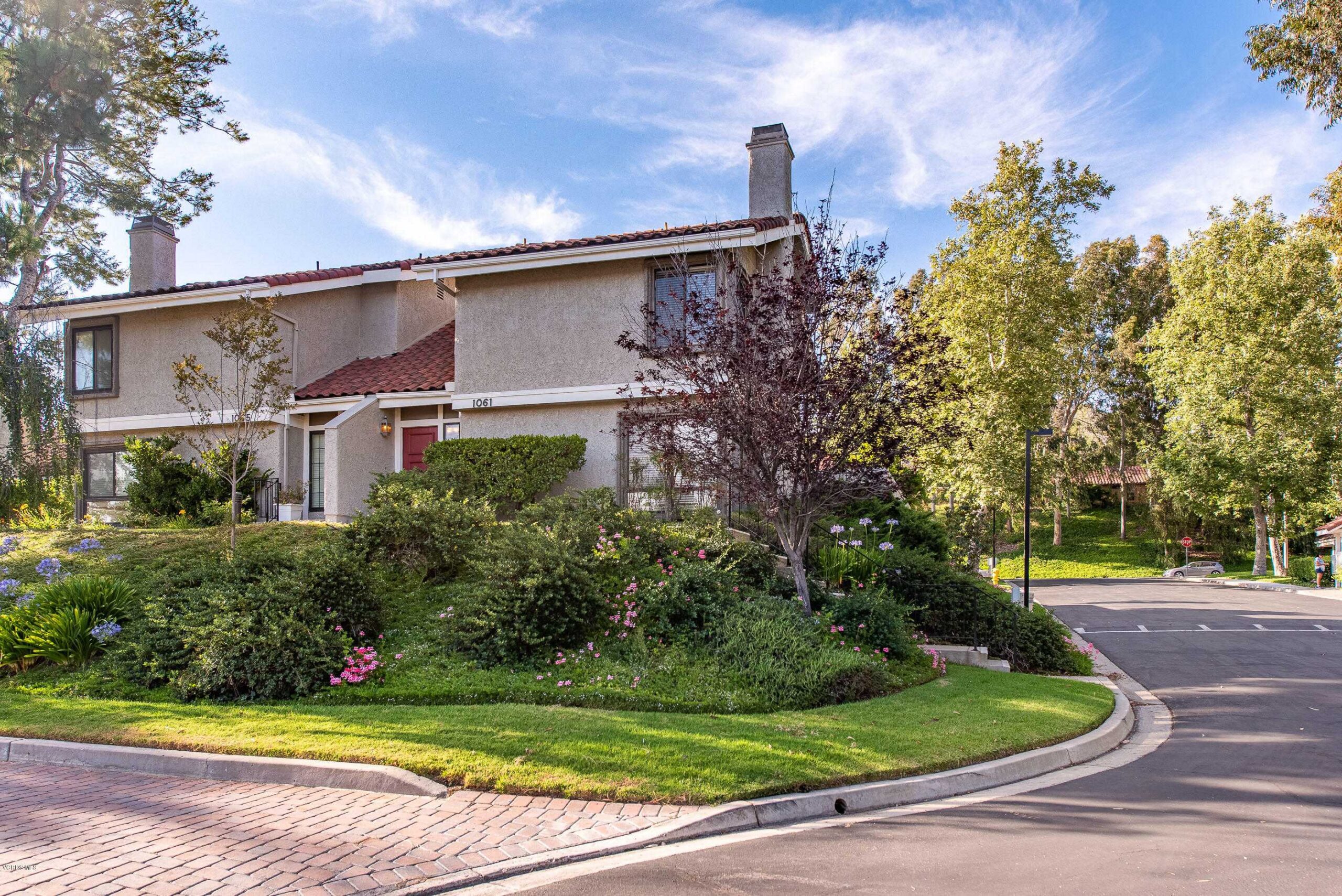
Capri West Oaks Park1990–1994 · about 341 condominiums and townhomes on the Italian-named streets off Kanan Road and Oak Hills Drive, with two pools, tennis courts and a clubhouseOpen the guide →
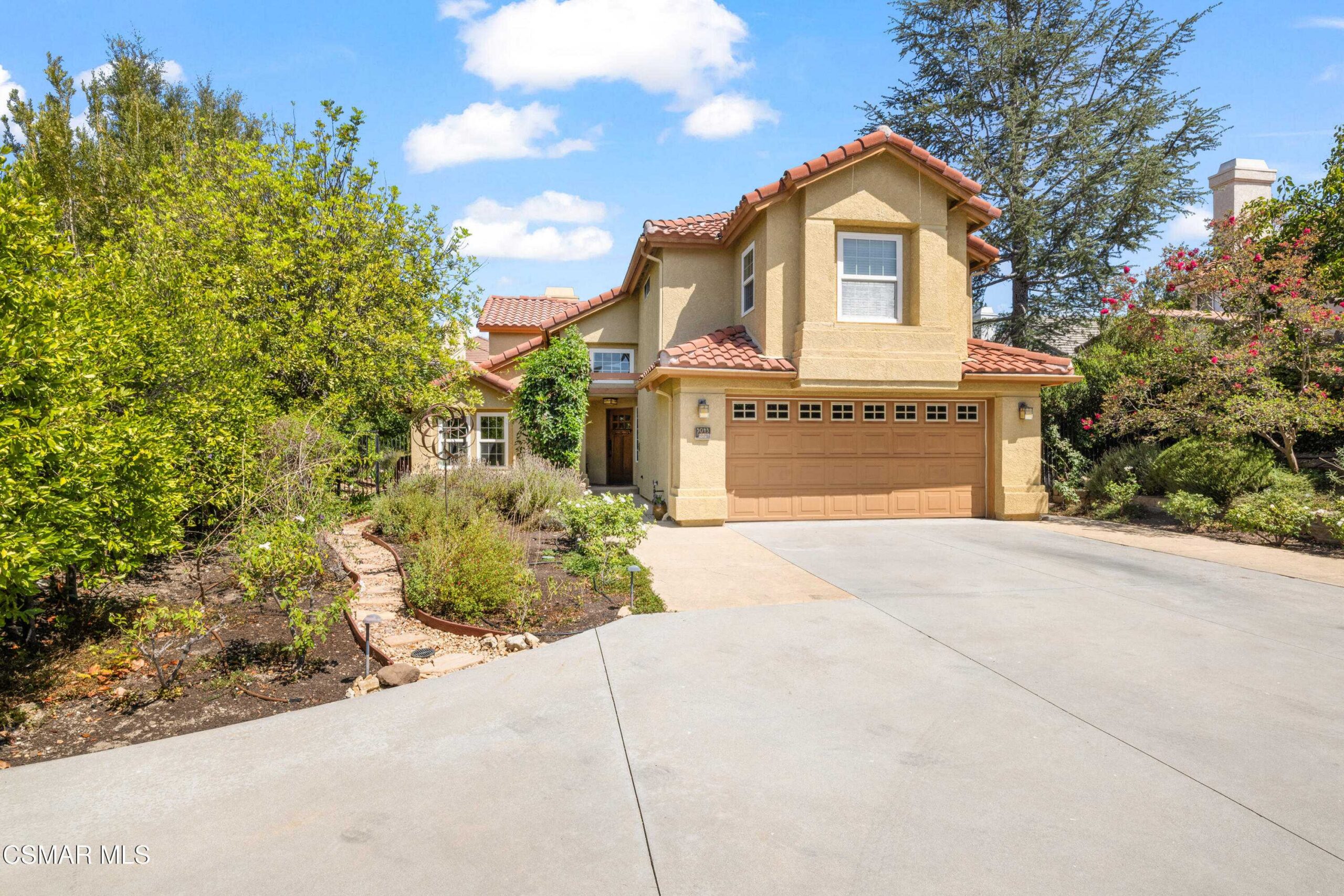
Chambord2000–2002 · the newest large-house tract in Oak Park, on Deerhill Road and its courtsOpen the guide →
Chaparral Estates1968–1979 · the original Oak Park, about 530 houses on the valley floor east of Kanan Road with no association fee, half of them single storyOpen the guide →
Country Glen1986–1987 · about 102 houses on the courts above Oak Canyon Community Park, on lots that run from 5,700 square feet to half an acreOpen the guide →
Country Highlands1984–1986 · about 105 townhomes on Quarterhorse Lane, Poppyview Drive and Windmill Lane below Deerhill Park, with a pool and the lowest fee among the community’s attached tractsOpen the guide →
Country Meadows I1980 · about 48 small-lot homes on Dorado Court, Winona Court, Crestridge Drive, Cresthill Drive and Falconrock Lane, a mix of detached houses and paired homes around greenbeltsOpen the guide →
Country Meadows II1984–1986 · about 150 small-lot houses on Pheasant Lane, Eaglehaven Lane, Summerhill Court and their neighbors below Deerhill Park, with a pool and spaOpen the guide →
Country Village1979–1984 · about 135 townhomes on Thistlegate Road and Sprucewood Avenue on the east side of Oak Park, with a pool and clubhouse and a single-level planOpen the guide →
Country Vista1978–1984 · the townhome and bungalow community that is the least expensive way into the Oak Park school districtOpen the guide →
Hillcrest Estates1989 · about 82 houses on Bellagio Court, Benedict Court and Covewood Street on the hillside at the west edge of Oak Park, many backing to open spaceOpen the guide →
Hillcrest Pointe1990–1993 · about 101 houses on Churchwood Drive, Monteleone Avenue and Myrtle Court on the hilltop at the west edge of Oak ParkOpen the guide →
Monaco1989–1992 · about 78 houses on Savona Way, Pesaro Street, Carthage Way and Wiggin Street beside Red Oak Elementary, with no association feeOpen the guide →
Monte Carlo1993–1994 · about 156 houses on Pesto Way, Cremona Way, Anzio Way, Savoy Court and Carmento Drive on the west side of Oak Park, a few blocks from Red Oak Elementary and Indian Springs ParkOpen the guide →
Montego1990–1993 · the small-lot detached tract with Caribbean street names, and the most common first house in Oak ParkOpen the guide →
Morrison Estates & Sutton Valley1986–1989 · the big-lot estate tract on the north side of Oak Park, carried in the MLS as one subdivisionOpen the guide →
Regency Hills1997–1999 · the late-1990s five- and six-bedroom tract beside Chambord, on Deerbrook Road and Ellesmere WayOpen the guide →
Ridgefield1986–1987 · about 137 houses on the Oak-named streets above Oak Hills Drive on the east side of Oak Park, at the Palo Comado trailheadOpen the guide →
Rolling Hills Estates1988–1989 · about 137 houses on Southridge Drive, Sunnycrest Drive, Countryside Road and Medea Creek Lane on the slope above Medea Creek, with no association feeOpen the guide →
Shadow Oaks1989 · about 81 two-bedroom townhomes on Spanish Oak Lane, Water Oak Lane and Riodosa Trail on the east side of Oak Park, beside the larger Shadow RidgeOpen the guide →
Shadow Ridge1990 · 577 homes on five oak-named streets — the way into Oak Park and its schoolsOpen the guide →Every neighborhood on the map now has its own guide. All of Oak Park is in the Oak Park Unified School District; each guide says which elementary school the district’s street list assigns to that tract, and what the sale record, the fees and the parcel counts show.
From radio-star ranch to master-planned community
Before the subdivisions, this land was the ranch of Jim and Marian Jordan — better known as radio's "Fibber McGee and Molly," among the biggest stars of the 1940s. Metropolitan Development Corporation bought the ranch land and began building Oak Park as a planned community in the 1960s, laying out neighborhoods in the oak-dotted hills with parks and school sites reserved from the start.
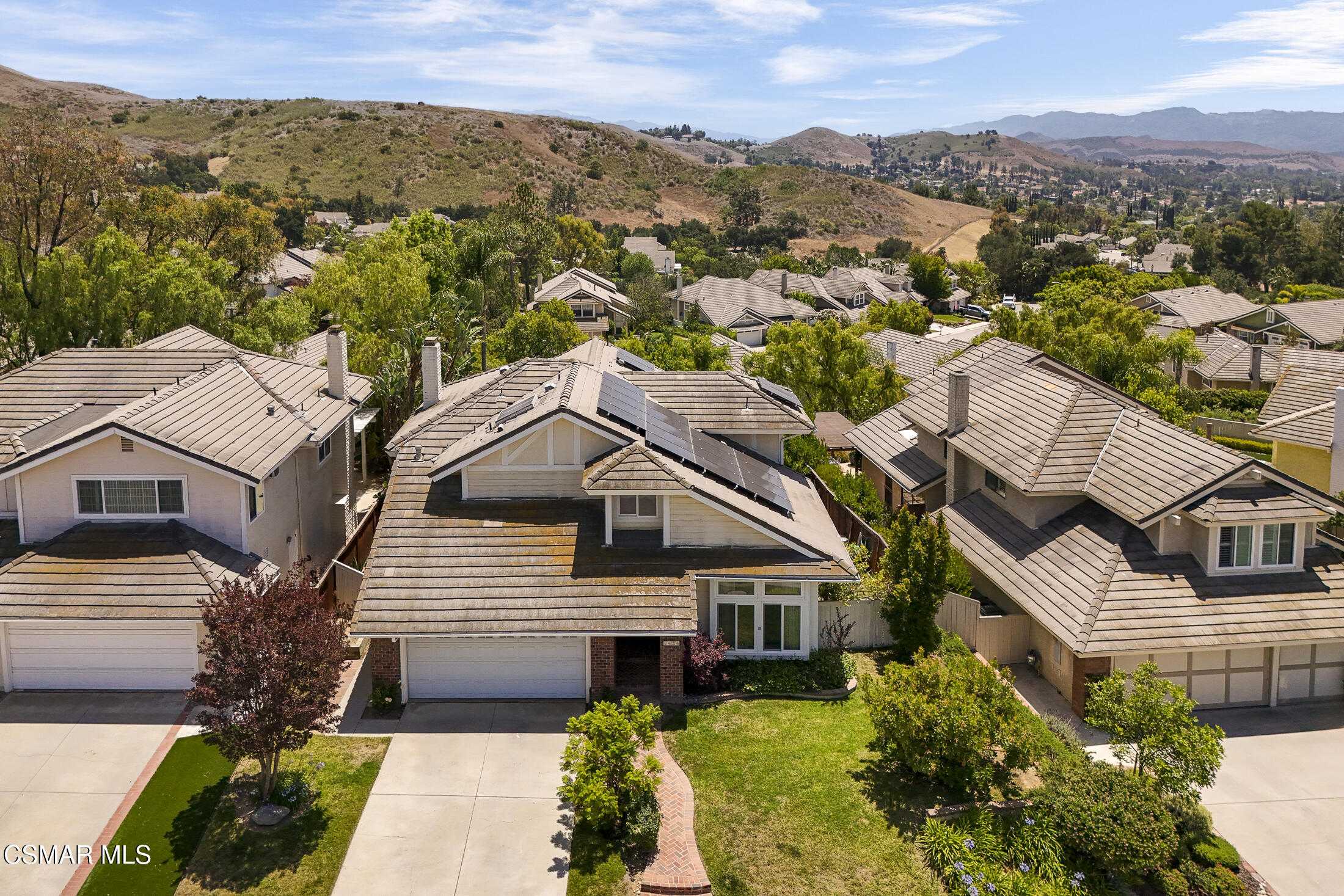
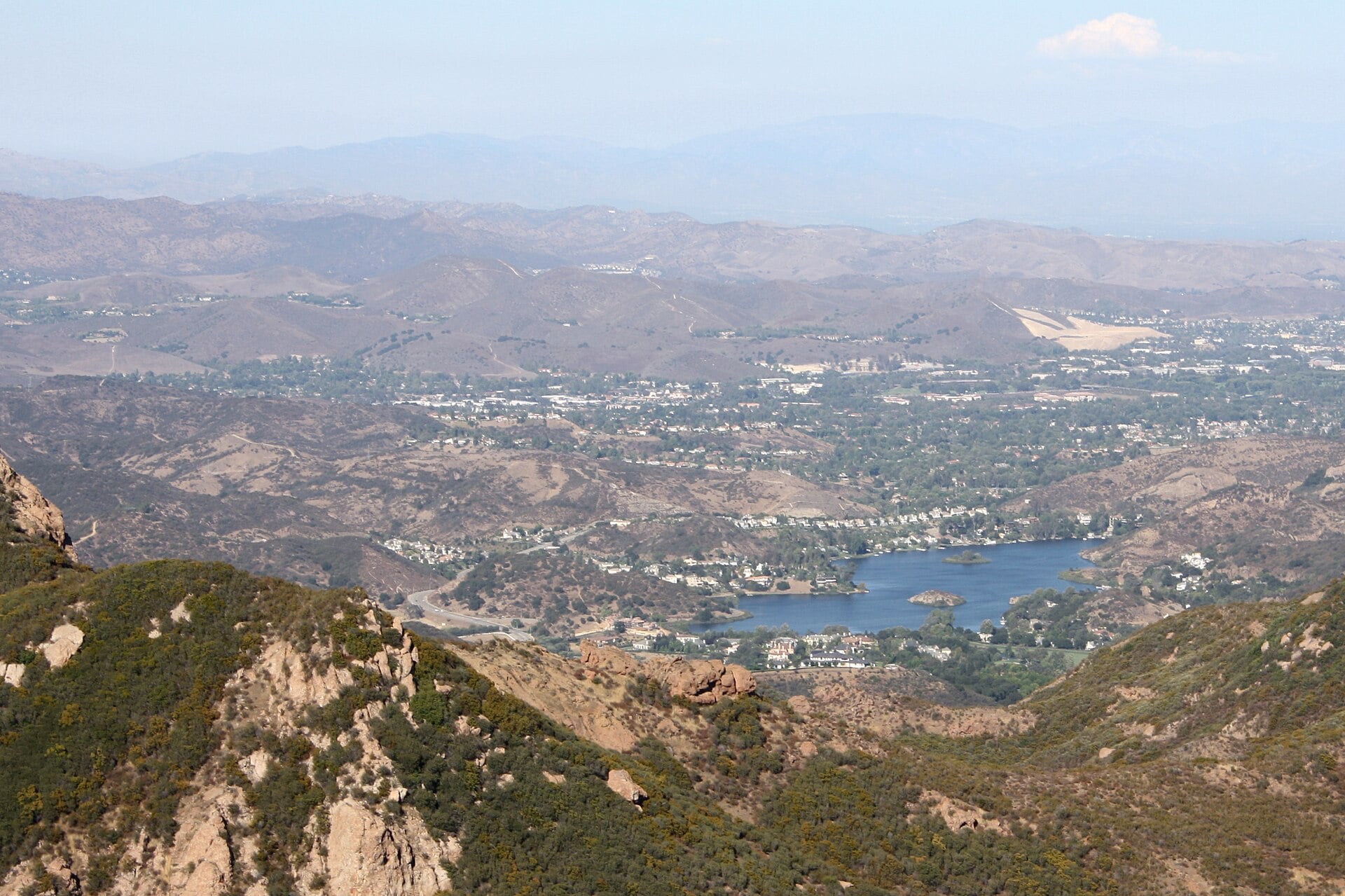
That original plan is why Oak Park still feels different from the tracts that grew up around it. Roughly 2,600 acres sit at the southern base of Simi Peak, with Thousand Oaks to the west, Westlake Village and Agoura Hills to the south, and the Santa Monica Mountains National Recreation Area wrapping the north and east. More than half of the land area was set aside as open space and never built on — a decision made decades ago that today is the single biggest reason values hold up here.
Oak Park has twice considered becoming a city and twice said no thanks — it remains unincorporated Ventura County, governed through the county with its own municipal advisory council. It didn't even get its own ZIP code (91377) until 1999. In 2013 the Washington Post flagged that same ZIP as a "Super ZIP," in the 97th percentile nationally for household income and college education. None of that has slowed it down; if anything, staying small is the point.
The schools story, and the 1977 vote for independence
For years, Oak Park children were bussed out of the community to Simi Valley schools — a long ride over the hill that parents increasingly refused to accept. In 1977 residents voted to break away and form their own district. A $40 million bond funded construction, and Oak Park High School opened its doors in 1981. It is one of the few times in California that a community successfully carved out its own unified district, and it shaped everything about how Oak Park sells today.
The seven schools
- Brookside, Oak Hills and Red Oak — the three elementary schools, each anchoring a different part of the community
- Medea Creek Middle School — the single middle school, which means the whole community funnels together in sixth grade
- Oak Park High School — open since 1981
- Oak Park Independent School — independent-study K–12
- Oak View High School — the district's alternative program
Because there is one middle school and one comprehensive high school, families tend to know each other across neighborhoods in a way they don't in larger districts. That social continuity is one of the things buyers are actually paying for, whether or not they'd put it that way.
District of Choice: the thing buyers and sellers both get wrong
Since 2004, Oak Park Unified has participated in California's District of Choice program. In plain terms: a family living outside the district can apply to enroll their children in Oak Park schools without needing a release from their home district. That is the critical difference from an ordinary interdistrict transfer, where your resident district can simply say no.
The effect has been dramatic. By the early 2020s roughly half of all Oak Park students were attending from outside the district's boundaries through District of Choice or interdistrict permits, and the student body shifted from about 90% white before 2004 to a far more mixed population within fifteen years.
What this means if you're buying
Don't assume you have to buy in Oak Park to get an Oak Park education — and be careful about how much premium you attach to the address on that basis alone. Seats are capacity-limited and awarded through an application process with its own annual windows and, when demand exceeds space, a lottery. Living in the district does give residents priority. If schools are your reason for the purchase, confirm the current year's rules and capacity with the district directly before you write an offer — the program's terms have been revised by the Legislature more than once.
What this means if you're selling
Your buyer pool is larger than your neighborhood. Families already commuting into Oak Park schools from Agoura, Calabasas, Simi Valley and the west Valley are a real and motivated segment — they've already decided they want to be here and they're tired of the drive. Marketing that speaks to that group specifically is a lever most listings in Oak Park never pull.
What the homes are like, era by era
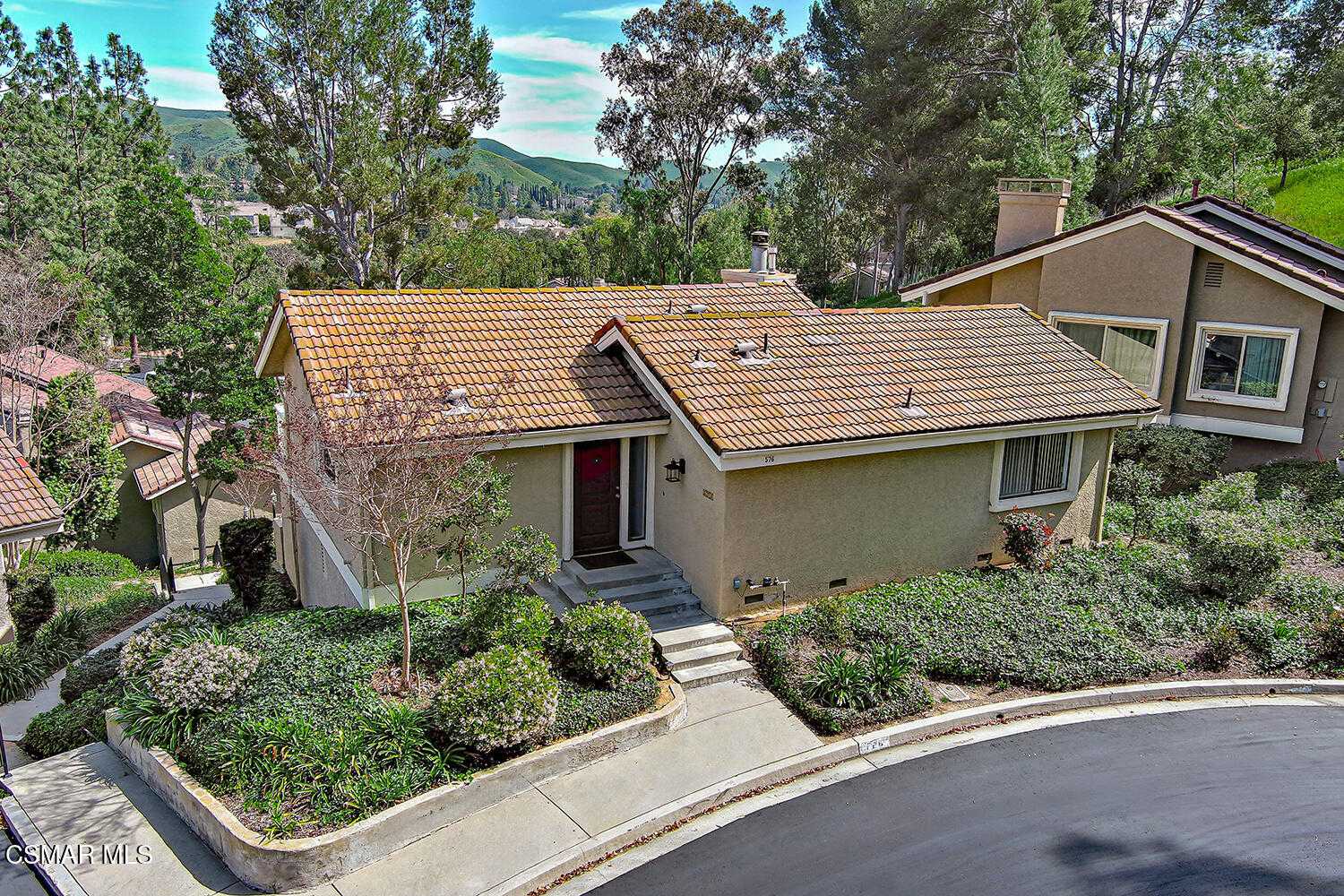
Oak Park was built in waves, and you can read the decade off a house from the street. Knowing which wave you're in tells you what you'll be dealing with — and where the money is.
Late 1960s to 1970s — the originals
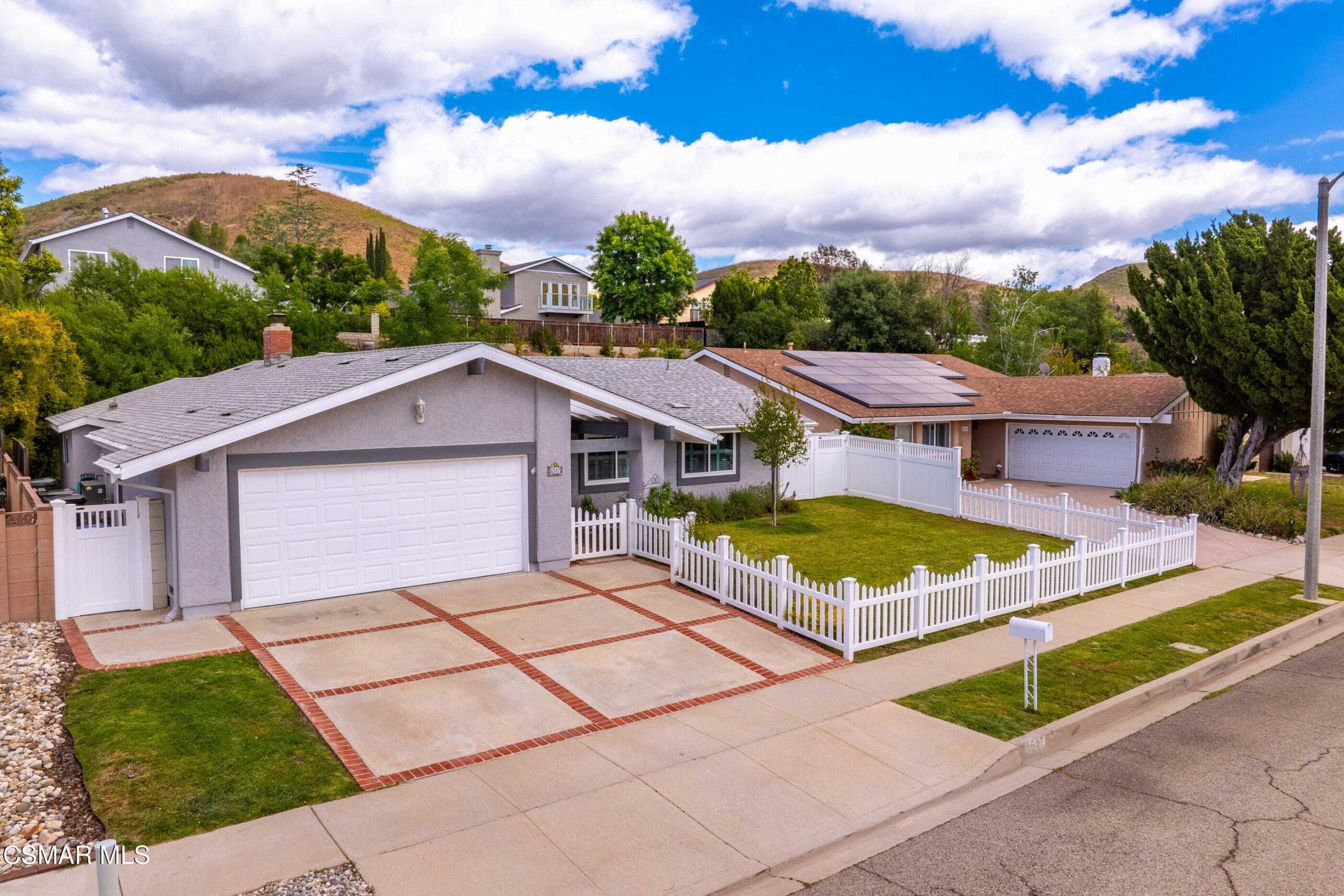
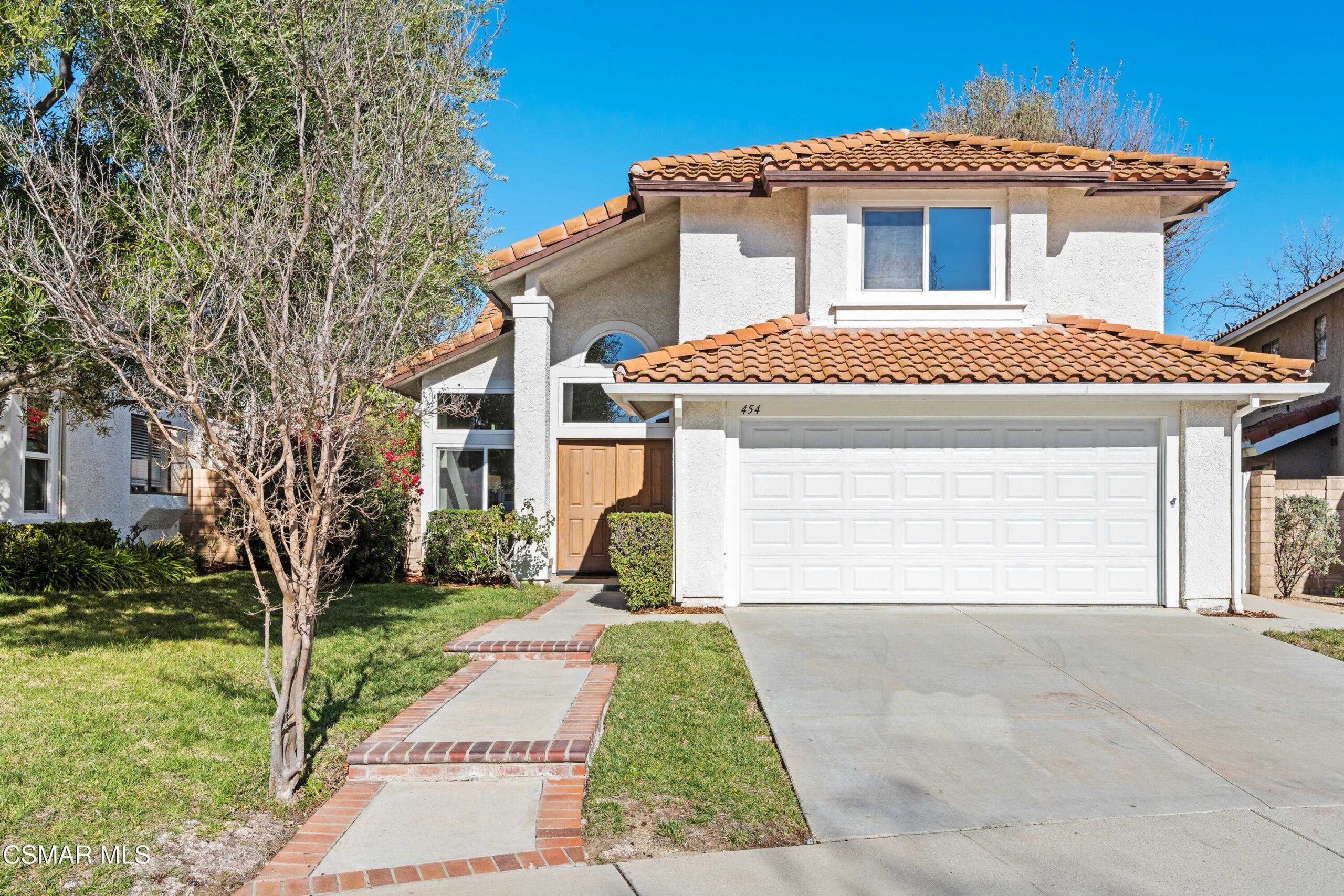
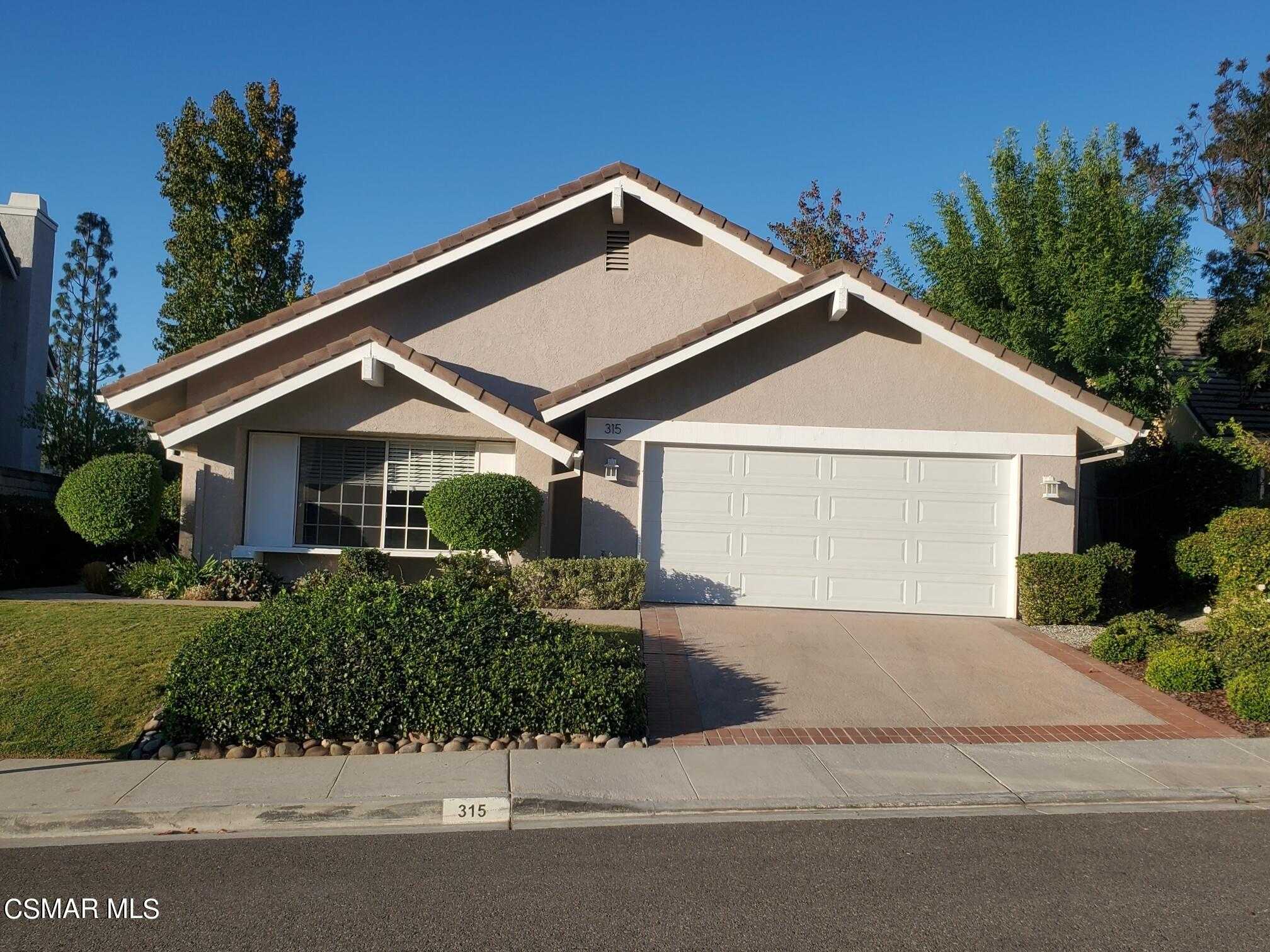
The first neighborhoods, closest to the older core. Single-story and split-level plans, generally 1,300–2,000 sq ft, on flatter lots with mature landscaping. These are the entry point into single-family Oak Park and, because most have never been comprehensively updated, they're where a renovation buyer can still create real value. Expect original galvanized or copper plumbing, older panels, and the occasional popcorn ceiling.
1980s — the expansion
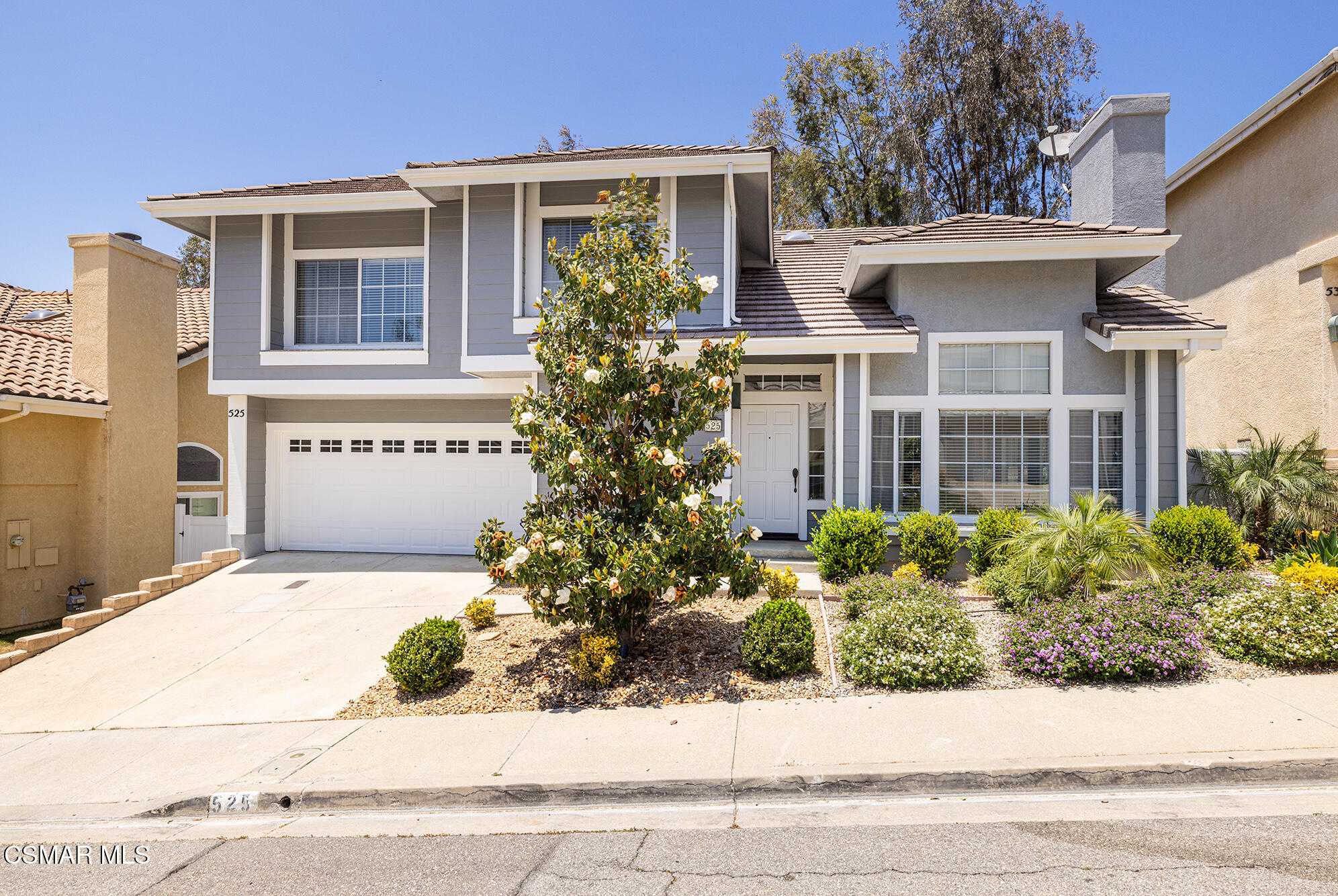
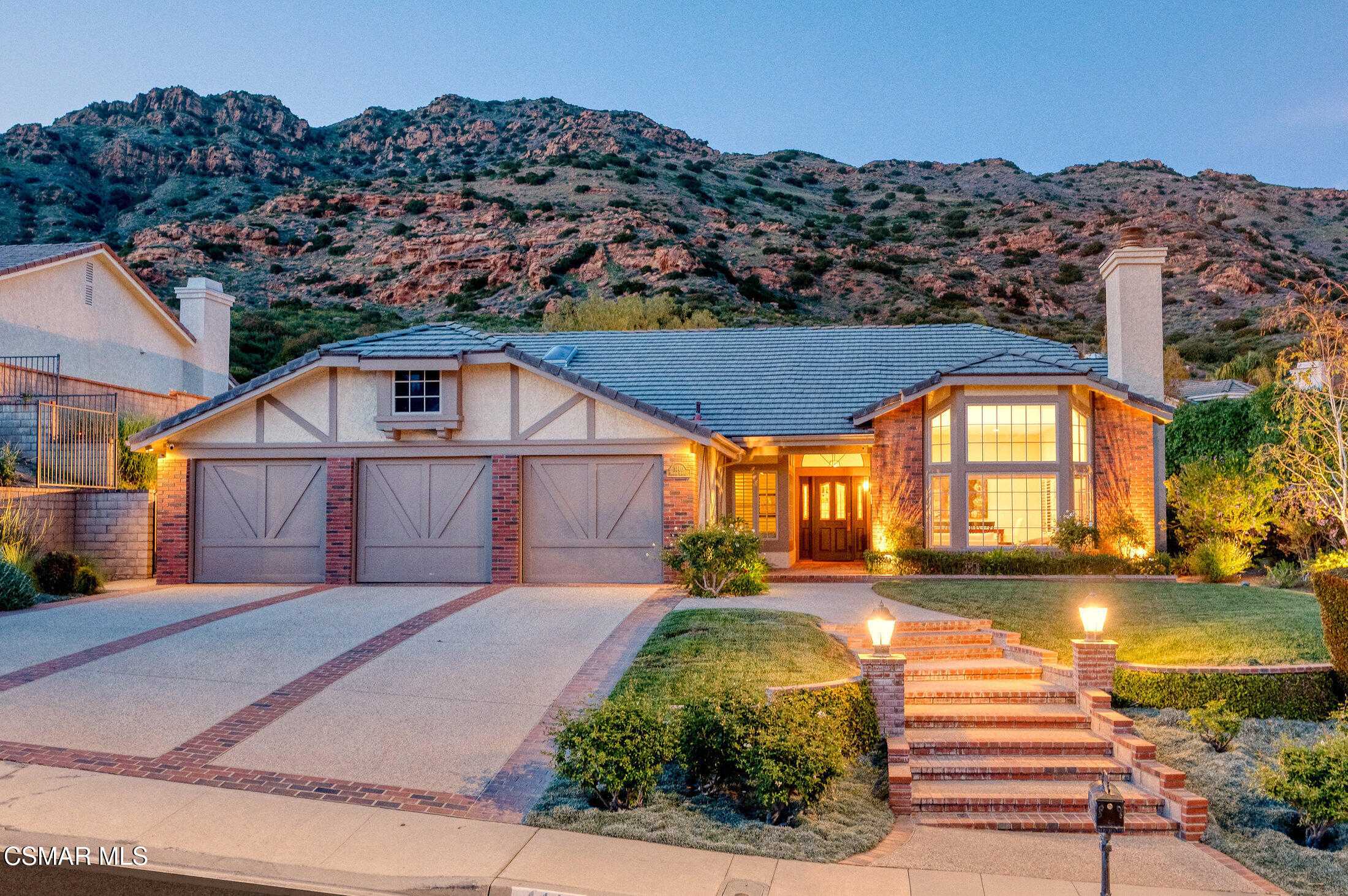
Larger two-story plans, formal entries, three-car garages appearing. Square footage steps up to roughly 2,000–2,800. This is the deepest, most liquid part of the Oak Park market and the era most move-up families end up in.
1990s to 2000s — the hillside tracts
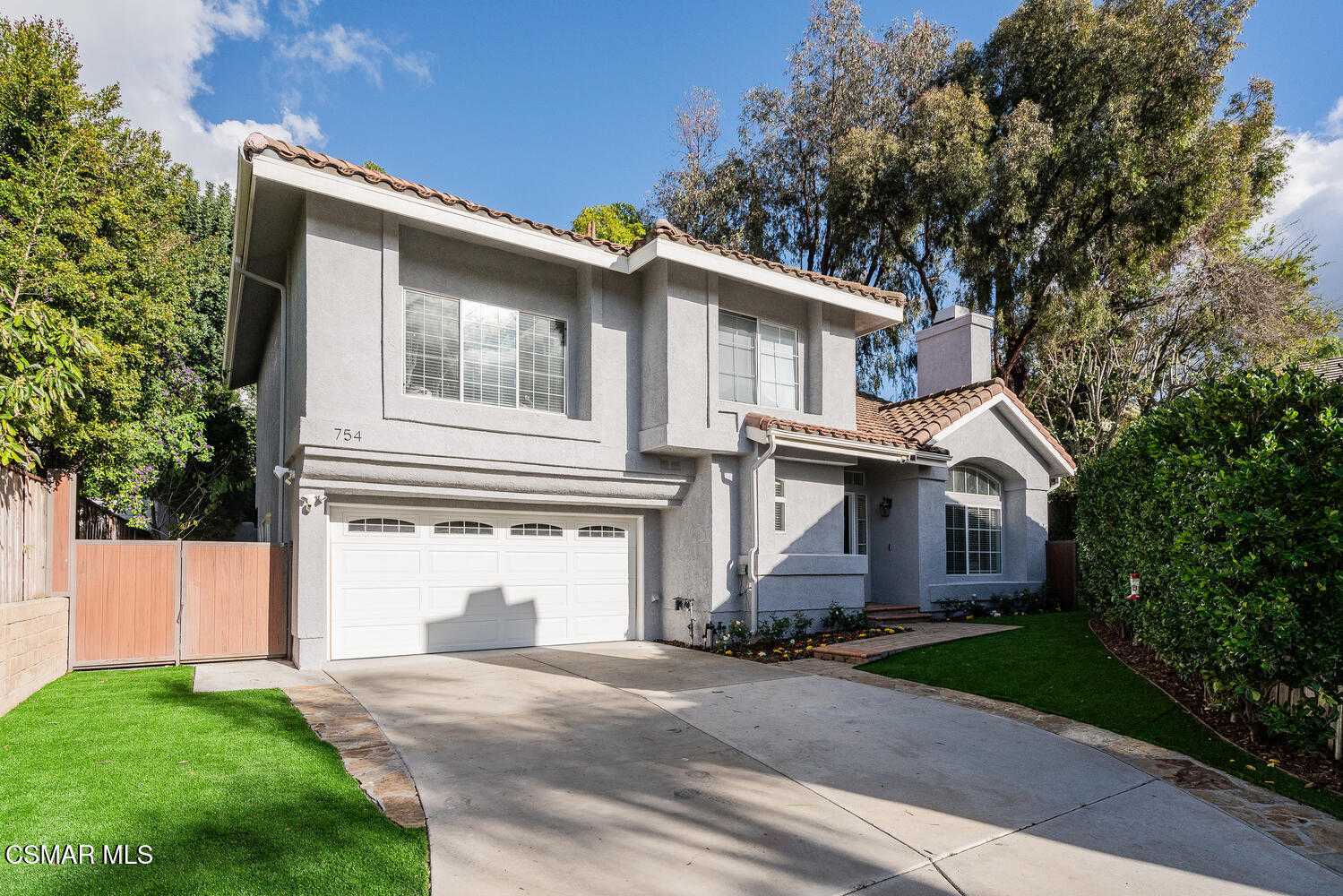
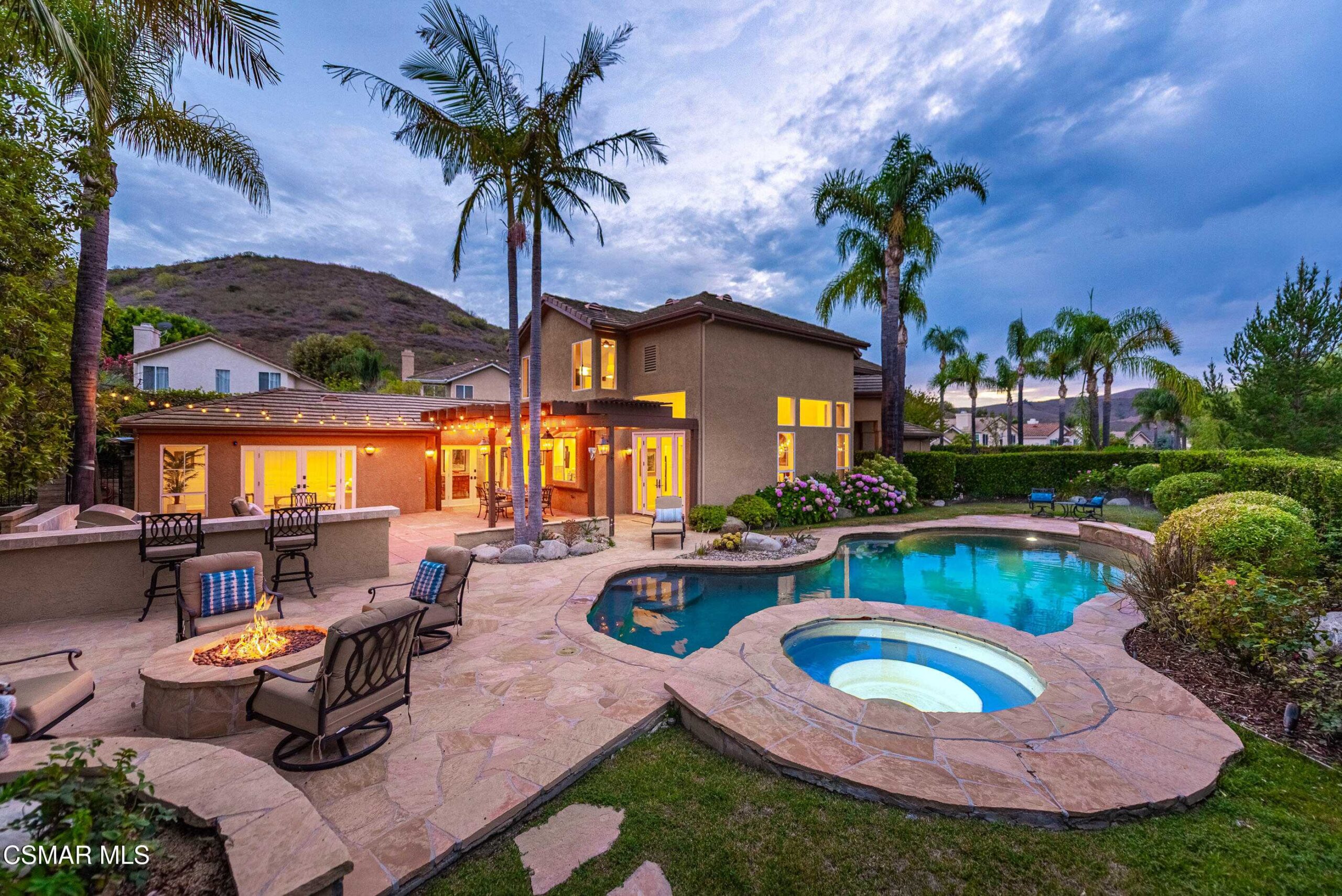
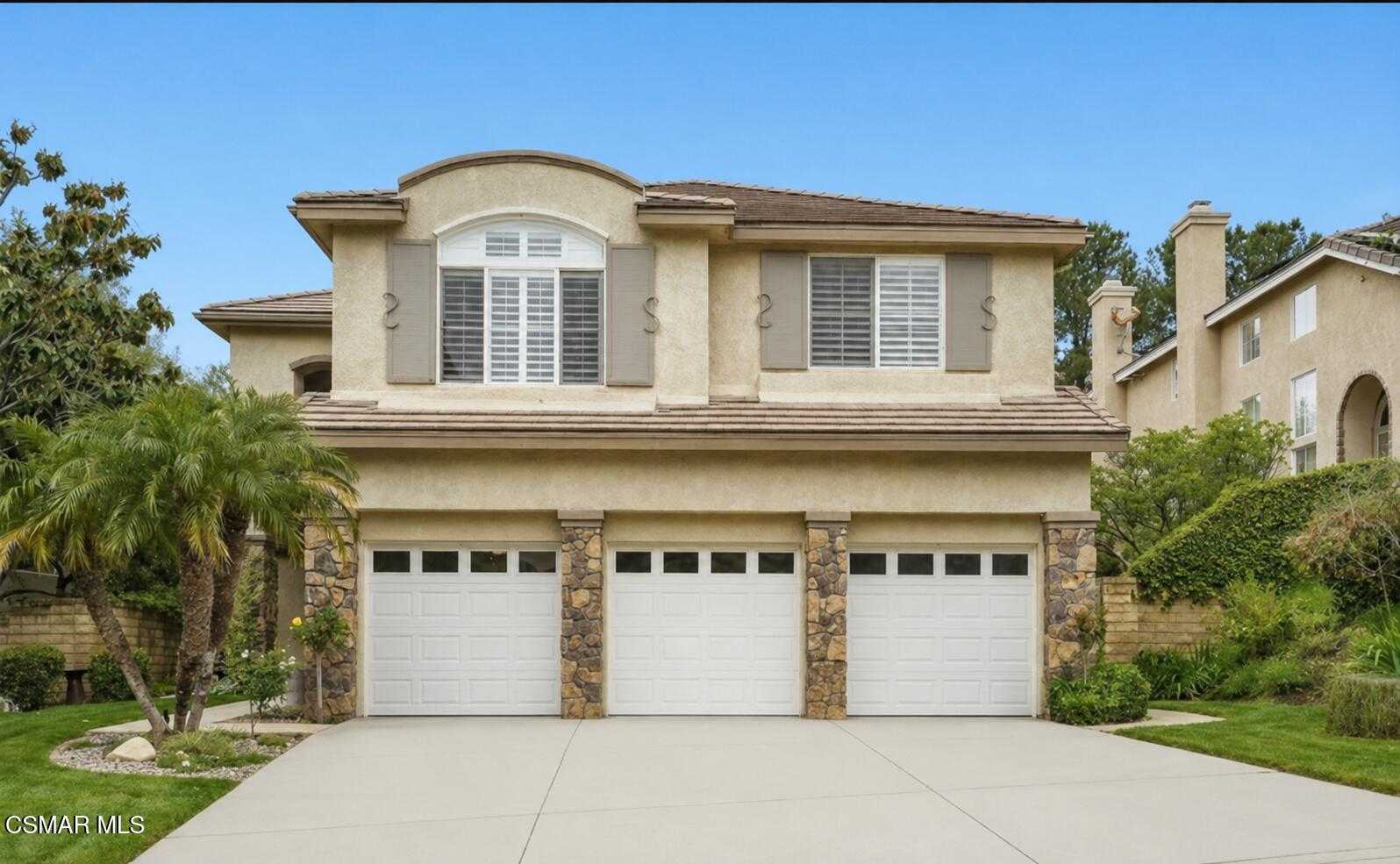
Built up into the slopes, with the volume ceilings, open kitchens and primary suites buyers still ask for. Views, bigger footprints, and in some pockets, gates. These carry the top of the single-family market outside the custom estates.
Condos and townhomes
A genuinely important part of Oak Park that gets overlooked in conversation about the city. See the separate section below — it is how a lot of people get into these schools.

The neighborhoods, and who each one suits
Streets I've sold on in Oak Park
Sutton Crest Trail · Thistlegate Road · Monteleone Avenue · Anzio Way · Carmento Drive · E Napoleon Avenue · Bayberry Street · Bryndale Avenue · King James Court · Churchwood Drive · Oak Bend Lane
Oak Park homes Gary has sold — see the full stories
Every sale below has its own page with the strategy, the preparation, the marketing and the result. These are the clearest picture of how an Oak Park home actually gets sold.


Condos and townhomes: the Oak Park entry point
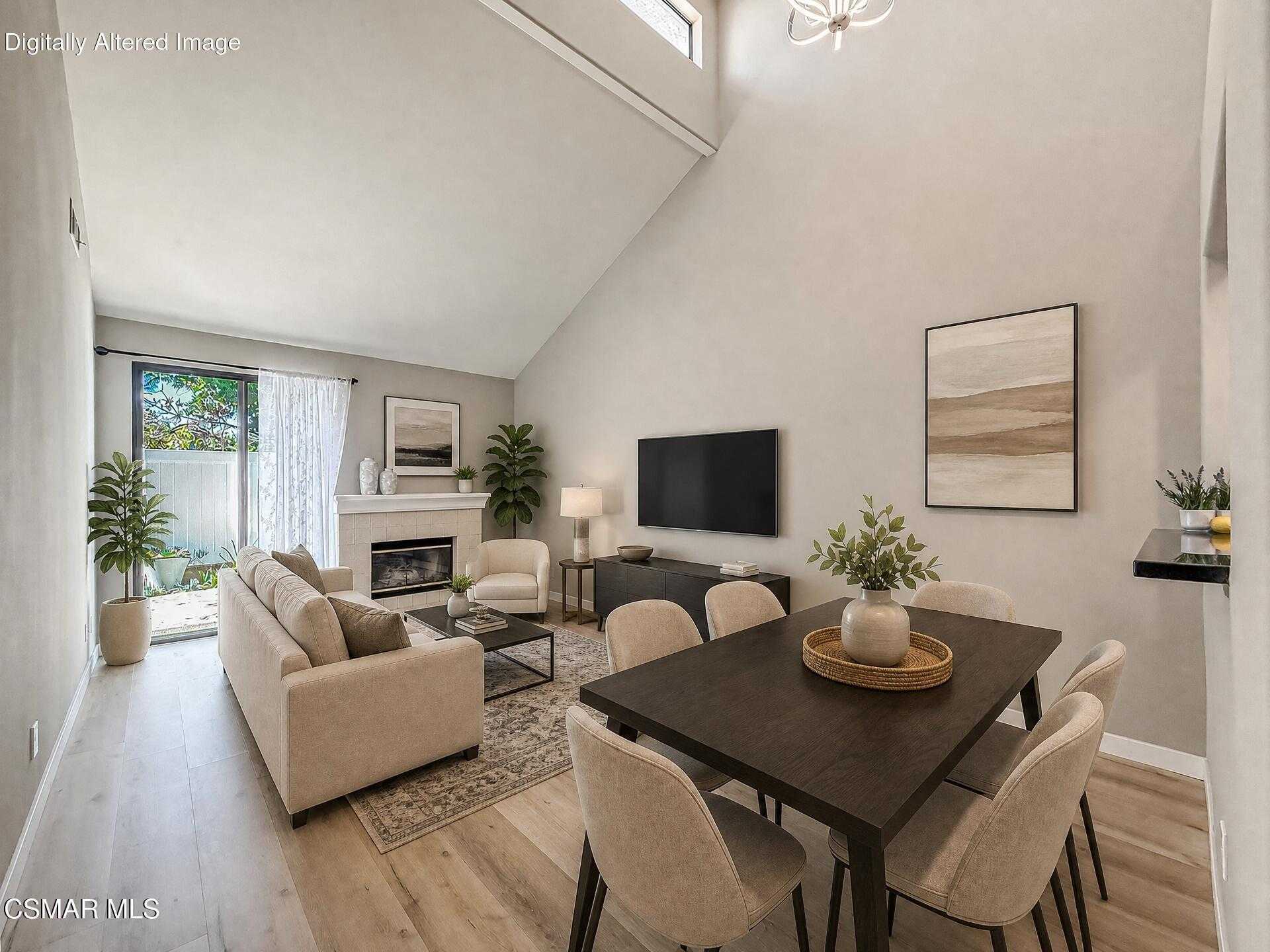
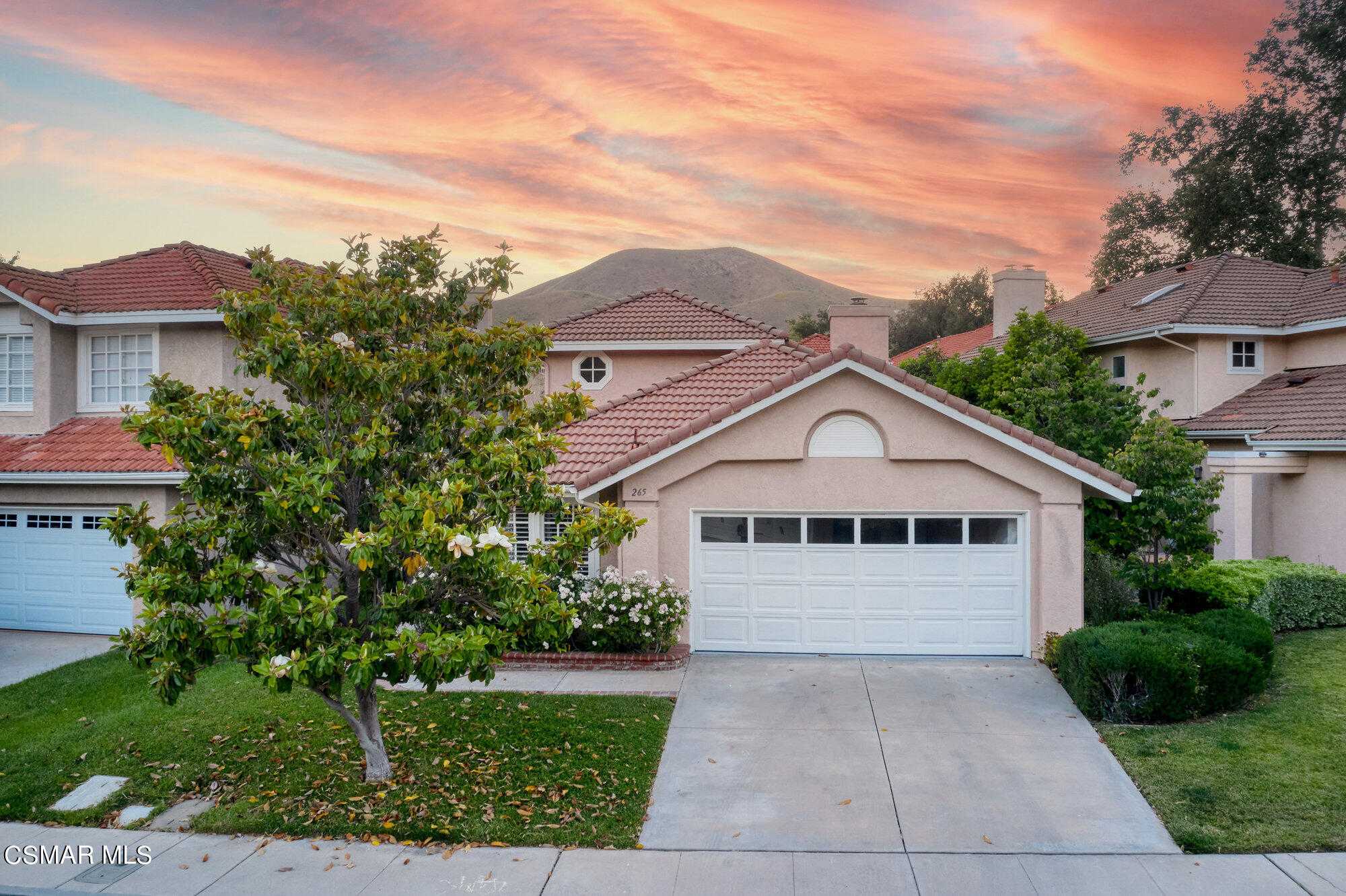
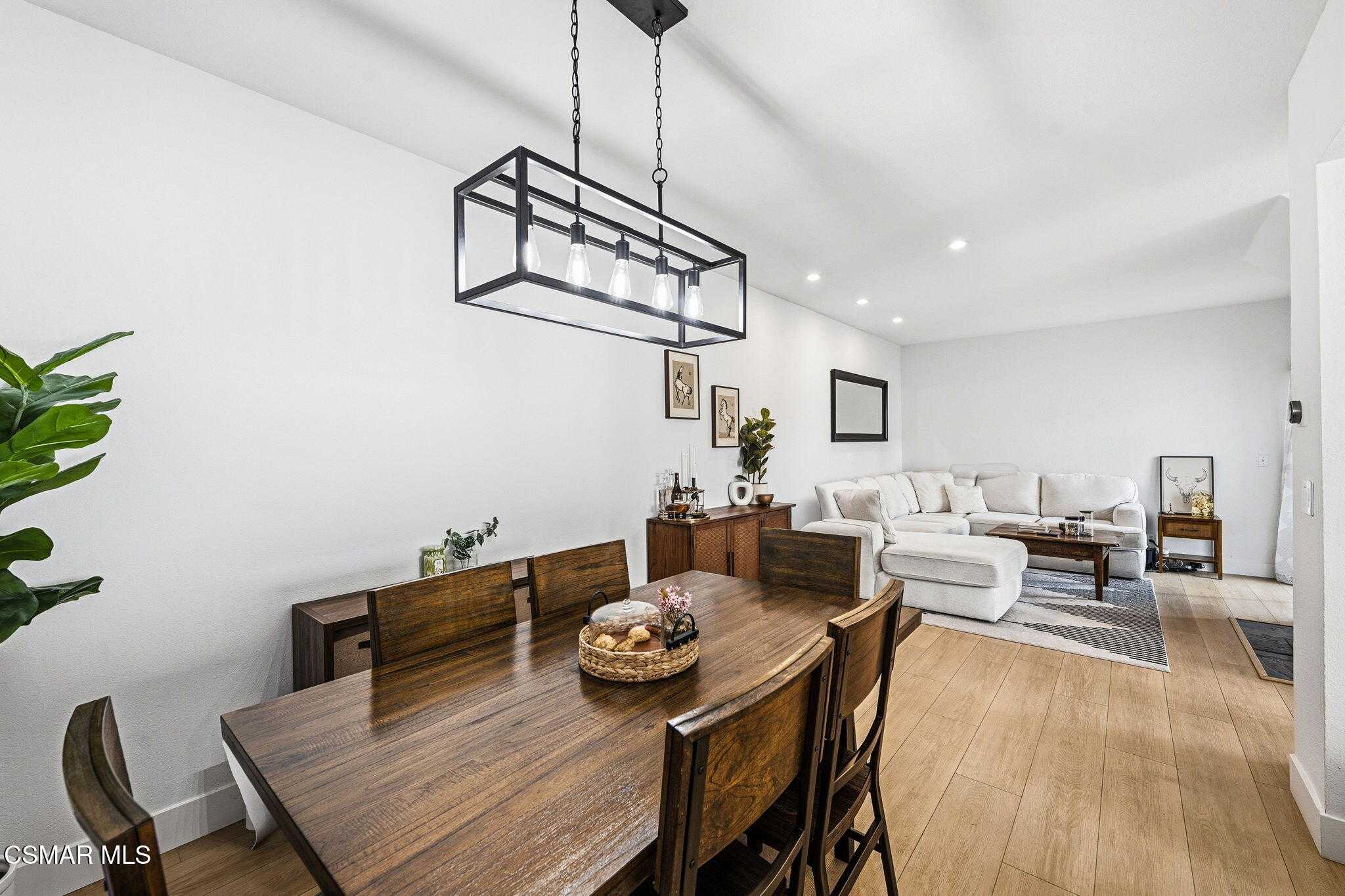
The attached-home communities are the quiet answer to "how do I get into Oak Park?" They put the same schools, the same parks and the same trail access within reach at a materially lower number than the single-family tracts, and they turn over more often, which means there's usually something to look at.
Who buys them
- First-time buyers who want the district and can't yet reach a detached house here
- Downsizers already in Oak Park who want to stay in the community after the kids are through the schools — a much bigger group than most people realize, and the reason well-presented townhomes here sell quickly
- Out-of-area families pairing a smaller purchase with a District of Choice application
- Investors, though HOA rental caps vary by community and need to be checked before you write
What to check before you commit
HOA dues and what they include, the reserve study and any pending special assessment, rental restrictions, and whether the association's insurance situation is current — that last one has become a live issue across Southern California and it can affect a buyer's ability to finance. I go through all of this with clients before we're deep into an escrow, not after.

HOAs in Oak Park: who has one, and what it actually covers
Oak Park is a mixed picture, and assuming one way or the other is a common and expensive mistake.
- Many of the original single-family streets have no HOA at all — you own your lot and maintain it, full stop.
- Newer hillside tracts frequently do have one, typically covering slope and common-area landscaping, entry monuments, and in gated pockets, the gate and private street maintenance.
- Every condo and townhome community has one, covering exterior maintenance, grounds, usually a pool, and a master insurance policy.
Because the community's parks are run by the Rancho Simi Recreation and Park District rather than an association, Oak Park HOA dues generally buy less than buyers coming from Westlake Village or Calabasas expect — the parks, trails and open space are already there, funded through the park district, whether your street has an association or not. That's a genuinely good deal, and it's worth understanding when you're comparing a zero-dues Oak Park street against a $400-a-month community somewhere else.

Parks, trails and open space — over half the land
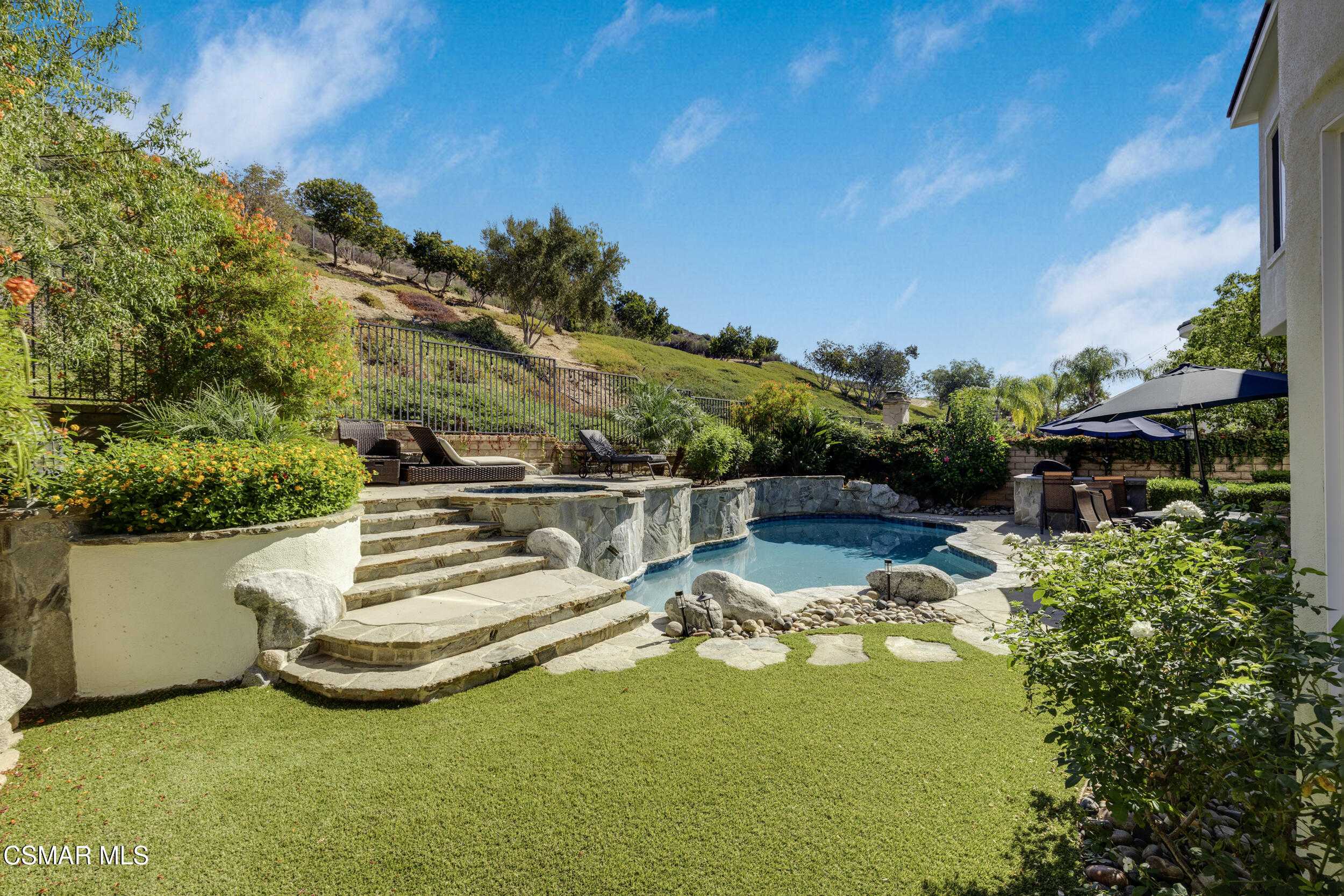
More than half of Oak Park's land area is permanent open space. That was designed in from the beginning, and it's the reason the community feels the way it does driving through it.
The parks
The Rancho Simi Recreation and Park District maintains six neighborhood parks here — Chaparral, Deerhill, Eagle View, Indian Springs, Mae Boyar and Valley View — along with Medea Creek Natural Park and Oak Canyon Community Park. Oak Canyon is the big one: ball fields, a large play area, picnic space and the trailhead most people use.
The trails
Oak Park backs directly onto the Santa Monica Mountains National Recreation Area, with connections up into the Cheeseboro and Palo Comado Canyon system. You can leave from a neighborhood street and be on a fire road within minutes, which is not something most communities at this price point can say. Medea Creek runs through the middle of town with a natural park along it.
For buyers coming from the west Valley or the city, this is usually the thing that closes the deal — you don't drive to the outdoors here, you walk out into it.
Getting around: Kanan, Lindero Canyon and the 101
Oak Park is served by two main routes, not one — Kanan Road running north–south through the middle of the community, and Lindero Canyon Road along the southern side. Both feed down to the 101 at Agoura Hills and Westlake Village.
- To the 101 — a short drive down either Kanan or Lindero Canyon
- To the west Valley (Woodland Hills, Calabasas) — east on the 101, generally straightforward outside peak hours
- To Thousand Oaks and the Conejo employment corridor — west on the 101, or surface routes through Westlake
- To the beach — Kanan Dume Road runs from Agoura through the mountains to the Pacific Coast Highway at Point Dume, which is a genuine amenity on a Saturday
- To Simi Valley — over the hill, the same direction that once carried Oak Park's schoolchildren before the district was formed
Because the community is compact and the through-traffic is limited, internal driving is easy — most errands inside Oak Park are a few minutes. Commuters should drive their actual route at their actual departure time before committing; the 101 through the Conejo behaves very differently at 7:15 than it does at 10:00.
What "unincorporated" actually means for Oak Park homeowners
Oak Park has no city hall, no mayor and no city council. It is governed directly by the Ventura County Board of Supervisors, with a local Municipal Advisory Council that advises the county on Oak Park matters. In practice:
- Permits and planning go through Ventura County, not a city building department. Timelines and requirements are the county's.
- Law enforcement is the Ventura County Sheriff's Office rather than a municipal police department.
- Parks and recreation are the Rancho Simi Recreation and Park District's responsibility — a separate special district with its own board and its own tax line.
- Schools are Oak Park Unified, independent of both the county and the park district.
None of this is a drawback, but it does mean that when something needs handling, knowing which agency owns it saves considerable time. It also means Oak Park's identity is carried by its school district and its park district rather than by a city government — which is part of why residents have voted down incorporation twice.
Fire, brush clearance and insurance — the honest version
Oak Park sits against open space in Southern California, and it has seen major Santa Ana wind-driven fires more than once in its history — the earliest of them took the old Jordan ranch house. Any agent who won't discuss this with you plainly isn't doing the job.
What it means in practice
- Brush clearance is a real, annually enforced obligation for properties adjacent to open space. Budget for it and know your defensible-space requirements.
- Insurance has tightened across wildland-adjacent Southern California. Availability and pricing vary property by property, and a home's specific hazard-zone designation matters more than the community's reputation.
- Get quotes early. On any purchase in a wildland-adjacent area I want a buyer talking to insurers during the inspection period, not at the end of escrow. It is the single most common late-stage surprise in this market, and it is entirely avoidable.
- For sellers, having current, well-maintained clearance and a clean insurance history is a marketing asset. It removes an objection before a buyer raises it.
Buyer FAQ: boundaries, transfers, insurance and commute
Is Oak Park in Los Angeles County or Ventura County?
Ventura County. The line runs along Oak Park's southern edge — Agoura Hills, immediately south, is Los Angeles County. That affects everything from which sheriff responds to how property records are administered.
Do I have to live in Oak Park to attend the schools?
No — Oak Park Unified is a District of Choice, and roughly half its students come from outside the district. Residents do get priority, and seats are capacity-limited. Confirm the current year's process with the district before making a decision based on it.
Does every home here have an HOA?
No. Many original single-family streets have none. Newer hillside tracts and all attached-home communities do. See the HOA section above.
Is the mailing address really "Oak Park"?
Yes — 91377 has been Oak Park's own ZIP since 1999. Before that, mail carried Agoura Hills addressing, which still causes confusion in older records and occasionally in online property data.
What should I budget beyond the mortgage?
Property taxes with any applicable special district assessments, HOA dues if your street or building has them, insurance — which deserves its own quote early — and brush clearance if you back onto open space.
How's the commute, honestly?
Fine to the west Valley and the Conejo employment corridor; a real commitment to downtown or the Westside. Drive it at your actual hour before you commit.
Seller FAQ: the Oak Park playbook
Who is my actual buyer?
Usually one of four: a family moving up within Oak Park, a family already commuting into the schools from outside who wants to stop driving, a west Valley or LA buyer trading square footage and open space for a longer freeway run, or a downsizer who wants to stay in the community. Each responds to different marketing. Most Oak Park listings are marketed to a generic "family buyer" and leave money on the table.
What actually moves the number?
Preparation and presentation, in that order. Oak Park's housing stock is old enough that a large share of listings come to market dated, so a home that has been genuinely prepared — not just cleaned — stands out immediately against its own comps. That gap is where the premium lives, and it is the core of what I do.
Should I renovate before selling?
Sometimes yes, sometimes emphatically no. It depends on your tract, your plan, your timeline and what the current buyer pool is rewarding. I've taken homes through full renovations before resale and I've also told sellers to do almost nothing and price to the renovation buyer instead. The wrong choice here costs more than any other decision in the sale. Ask me before you spend anything.
When is the best time to list?
Oak Park's calendar is driven by the school year more than most markets — families want to be moved before it starts. That makes late winter through spring the deepest window, but a well-prepared home sells in any month, and a fall listing faces less competition.
How do I find out what my home is worth?
Not from an automated estimate — they cannot see condition, and in a market this tract-sensitive that's most of the answer. I'll walk the property and give you a real number with the comps behind it.
Thinking about buying or selling in Oak Park?
I've sold across the community — single-family, hillside and attached — including homes taken through full renovations before resale. Tell me the address or the tract you're looking at and I'll tell you exactly what you're dealing with.
Free market report
Want the full market report for Oak Park?
We want to ensure that you have all the information needed to make the best decisions when it comes to your home goals. When you enter your info in the form you will get instant access to the area's latest market report, complete with sales and demographic trends.
Oak Park
Market Report
News and Advice
Read helpful resources and articles related to the area.

Where Does Cornell End and Malibu Begin?
Drive Kanan Road south from Agoura Hills and somewhere between the tunnels and the ocean, "the…

Camarillo Housing Market and Neighborhood Guide: Newer Homes, …
Camarillo is the inland counterweight to the coastal cities around it: a Pleasant Valley commuter town…

Oxnard Housing Market and Neighborhood Guide: Beaches, a …
Oxnard is the biggest city in Ventura County, and it contains multitudes: oceanfront canal homes, a…
Ready to take
The next step?
Whether you are thinking about buying, selling, or just exploring your options, Gary Jacobs and his team are here to provide clear guidance and trusted local expertise across Los Angeles and Ventura County.