
Fire Hazard Zones, Brush Clearance and Insurance in the Conejo Valley: A Plain-English Guide
If you own a home in the Conejo Valley, three things are converging right now: updated fire hazard severity zone maps, a hardening insurance market, and California’s brand-new “Zone 0” ember-resistant zone rules, which the state Board of Forestry and Fire Protection voted 8–0 to adopt on August 19, 2026. This is a plain-English guide to what applies to your property, what is actually changing, and what to do about it — written for Westlake Village, Thousand Oaks, Newbury Park, Agoura Hills and Oak Park.
I am a real estate agent, not a fire marshal or an insurance broker. Nothing here is a substitute for confirming requirements with your own fire agency and coverage questions with your own licensed broker. But these issues now show up in nearly every transaction I handle, so it is worth understanding the landscape.
1. Fire hazard severity zones: what they are and what they are not
California maps land into fire hazard severity zones — Moderate, High and Very High — based on modeled hazard: fuels, terrain, weather and fire history. The Office of the State Fire Marshal produces the maps; local agencies adopt them.
Two clarifications people consistently get wrong. First, the zones describe hazard, which is the long-run likelihood and intensity of fire in an area, not risk, which accounts for what has actually been done to a specific structure. A hardened home with clear defensible space in a Very High zone can be a better risk than a neglected home in a High zone. Second, the maps were substantially updated in recent years and a lot of parcels changed classification. If your understanding of your zone dates from when you bought the house, it may be out of date.
Where the parcel sits also determines who enforces. In the Conejo Valley that split is:
- Los Angeles County side — City of Westlake Village, Agoura Hills, Calabasas: LA County Fire Department.
- Ventura County side — Thousand Oaks, Newbury Park, Oak Park and the Ventura County portion of Westlake Village: Ventura County Fire.
Because the county line runs diagonally through Westlake Village, neighbors can genuinely have different enforcing agencies. See Westlake Village spans two counties for why.
2. Defensible space: Zones 1 and 2, and now Zone 0
Defensible space has traditionally been described in two bands around a structure: the first 30 feet, and 30 to 100 feet. The newer, and now most consequential, band is the one closest to the house.
Zone 0 — the first five feet
Zone 0 is the ember-resistant zone: the area within five feet of a structure. The legal foundation is Assembly Bill 3074, passed in 2020, which directed the Board of Forestry and Fire Protection to write regulations for it. Those regulations were delayed repeatedly. On August 19, 2026, the Board voted 8–0 to adopt the final draft.
Important nuance: Board approval is not the same as the rule being in force. Adopted regulations still go through the state’s administrative review process before taking effect, and implementation timelines differ between new construction and existing homes. Do not take a contractor’s or a Facebook post’s word for what your deadline is — confirm with LA County Fire or Ventura County Fire for your parcel.
The concept, though, is settled and worth acting on regardless of the deadline: the five feet immediately around your house should not contain things that catch and hold embers. In practice that means rethinking bark mulch against the foundation, the juniper under the eaves, the woodpile on the side yard, the combustible fencing that touches the wall, the doormat, the patio furniture cushions, and the stuff stored under the deck. Embers are how most homes are lost — not a wall of flame.
Zones 1 and 2
Beyond five feet, the goal shifts from eliminating fuel to breaking up continuity: spacing shrubs, limbing up trees, removing dead material, and keeping grass down. Both counties enforce an annual clearance requirement with inspection seasons, and both will do the work and bill you if you ignore notices.
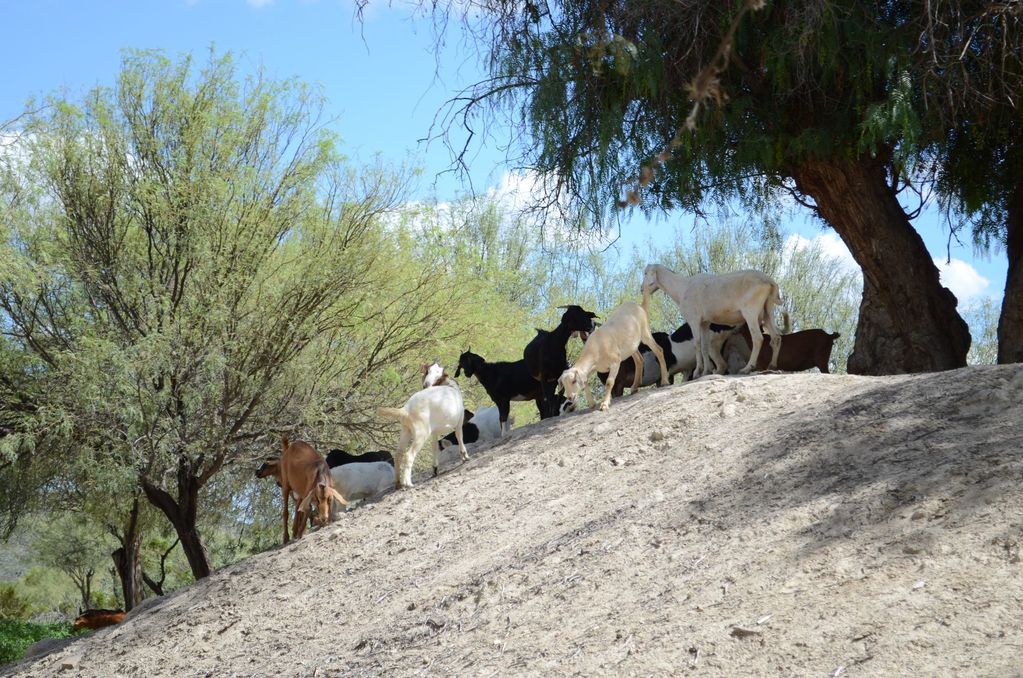
One critical local warning. The City of Westlake Village has stated plainly that nearly half of recent fires in our area were inadvertently caused by residents and businesses clearing brush. A blade striking rock on a hot afternoon is a genuine ignition source. Do clearance work early in the season and early in the day, and this is exactly why public agencies use grazing goats on the steep open-space parcels instead of crews.

3. Insurance: where this actually hits your wallet
Insurance has become the most common friction point in Conejo Valley escrows. A few things worth knowing:
Mitigation is supposed to count. California’s framework requires admitted insurers to recognize wildfire mitigation at both the property and community level. That means documented home hardening — ember-resistant vents, Class A roof, dual-paned or tempered glass, enclosed eaves, cleared Zone 0 — is something you can put in front of an underwriter rather than just hope they notice.
Community-level designations count too. The City of Westlake Village is certified by the California Board of Forestry and Fire Protection as a Fire Risk Reduction Community, with its 2026 certification adopted July 1, 2026, and the city explicitly lists lower homeowners insurance rates among the benefits. Firewise USA recognition works similarly at the neighborhood level. Most homeowners have no idea these designations exist, let alone that they can cite them.
The FAIR Plan is a floor, not a plan. It exists as the insurer of last resort. It is not a substitute for admitted-market coverage, and pairing it with a difference-in-conditions policy is a common but more expensive structure.
If you are buying, get the insurance quote early. Not after inspections. I now treat insurability as a contingency-level issue on hillside and open-space-adjacent properties, because discovering a coverage problem two days before closing is a genuinely bad afternoon.
4. A practical fall checklist for Conejo Valley homeowners
Santa Ana season peaks from October into December, so fall is the right time for this:
- Clear the first five feet around the house of combustible material — mulch, plants against walls, stored items, woodpiles.
- Clean roof, gutters and the valleys where needles collect. This is the single highest-value hour you will spend.
- Check vents and screening for ember entry, and check the gap under garage doors.
- Clear out from under decks, and move anything flammable off the deck surface.
- Limb up trees away from the roof and away from each other.
- Photograph everything you have done and keep it in a file. That documentation is what you hand an underwriter.
- Confirm your current fire hazard severity zone and this year’s clearance requirements with your county fire agency.
Frequently asked questions
What is Zone 0 in California?
Zone 0 is the ember-resistant zone within five feet of a structure. It was created by Assembly Bill 3074, and the California Board of Forestry and Fire Protection voted 8–0 on August 19, 2026 to adopt the first statewide Zone 0 regulations. Adopted rules still complete state administrative review before taking effect, and compliance timelines differ for new versus existing construction.
Who enforces brush clearance in the Conejo Valley?
Los Angeles County Fire Department on the LA County side, including the City of Westlake Village, Agoura Hills and Calabasas. Ventura County Fire on the Ventura County side, including Thousand Oaks, Newbury Park, Oak Park and the Ventura County portion of Westlake Village.
Does a Very High fire hazard severity zone designation mean I cannot get insurance?
No. It makes underwriting more selective and more expensive, but documented home hardening and defensible space, plus community-level designations, are recognized in California’s regulatory framework. Talk to a licensed broker who writes in our area.
Does the city clearing open space next door cover my property?
No. Agency clearance on public parcels is entirely separate from the private owner’s annual defensible-space obligation on their own lot.
What is a Fire Risk Reduction Community?
A designation from the California Board of Forestry and Fire Protection recognizing a community’s wildfire preparedness and vegetation management work. Westlake Village holds the designation and cites better access to prevention funding and lower homeowners insurance rates as benefits.
When should I do brush clearance?
Early in the season and early in the day. Clearance work itself is a documented ignition source locally, so avoid mid-summer afternoons and keep blades off rock.
Buying or selling a hillside or open-space-adjacent home in this valley? Insurability, zone designation and clearance history are things I work through with clients up front. Let’s talk before it becomes an escrow problem.
Related: Why goats clear the hillsides · Conejo Valley open space explained · Fall home prep checklist