
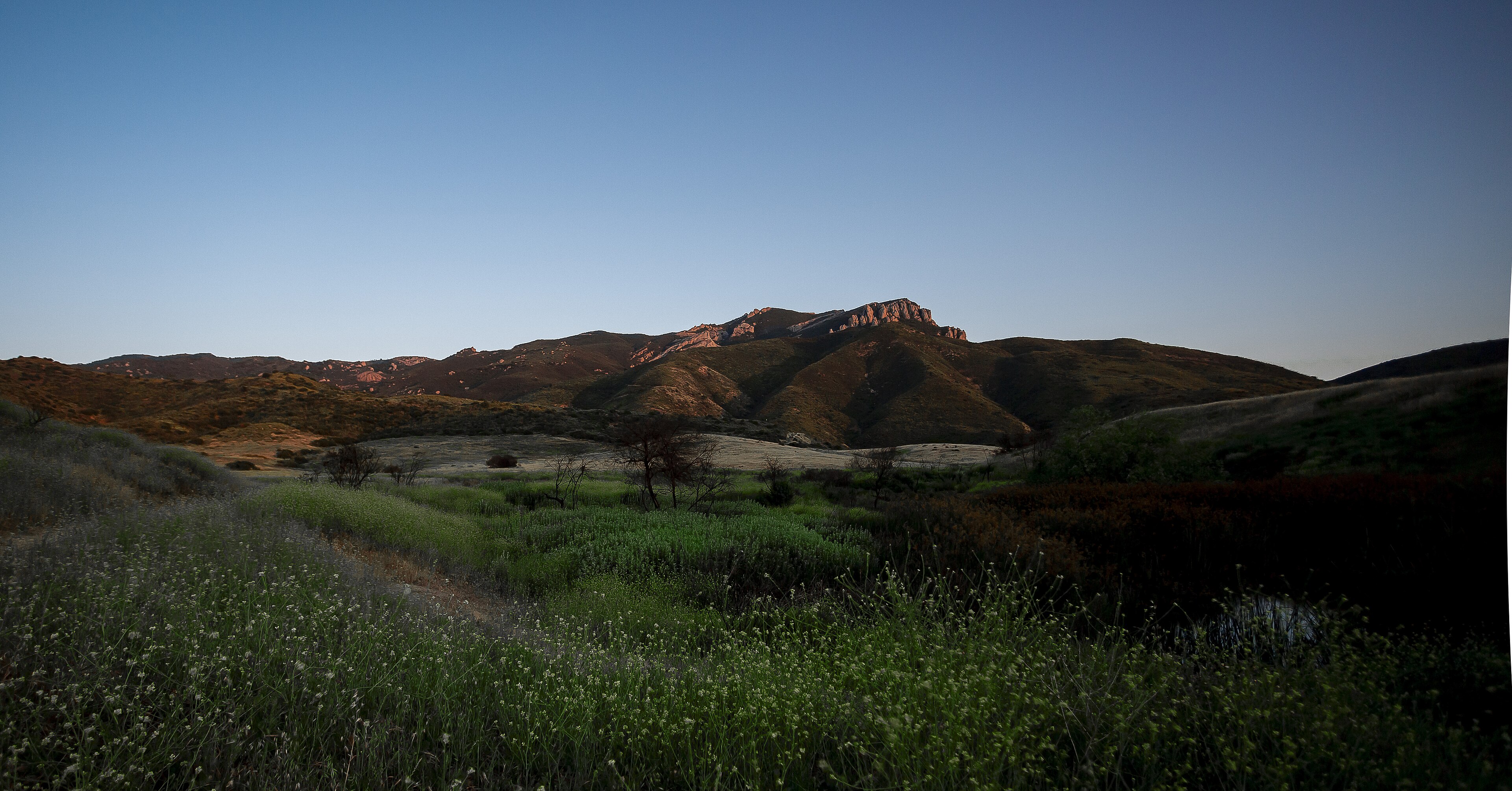
Roughly 15,334 acres of the Conejo Valley are permanently protected open space — close to 40 percent of Thousand Oaks’ planning area — and it is not an accident, a zoning quirk, or something a future city council can casually undo. It is the result of a deliberate, decades-long acquisition program that began in 1977. If you have ever wondered why the hills behind your house are still empty while every comparable valley in Southern California filled in, this is the answer.
What COSCA is
The Conejo Open Space Conservation Agency — COSCA — was created in 1977 through a joint powers agreement between the City of Thousand Oaks and the Conejo Recreation and Park District. A joint powers agency is a specific legal structure: two public entities pool authority into a separate body with its own governing board. That structure is the whole point. It makes the open space program harder to unwind than a policy sitting in a general plan, because dissolving it requires action by both parent agencies.
COSCA owns or manages roughly 12,400 to 12,700 acres of the valley’s protected land and maintains more than 150 miles of trails for hiking, biking and equestrian use. The remainder of the 15,334 protected acres sits with other public owners and conservation partners.
Why the Conejo Valley looks different from the San Fernando Valley
Three things happened here that did not happen a few miles east.
The city bought the hills. Rather than relying only on zoning, which the next council can amend, the valley’s agencies spent decades acquiring the land outright or acquiring permanent easements over it. Owned land is a fundamentally stronger form of protection than zoned land.
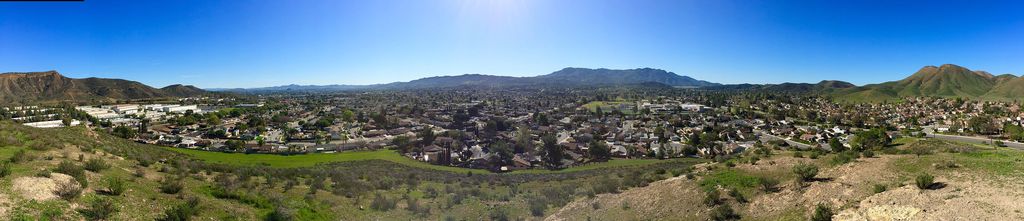
Development dedications. As the valley built out, a great deal of hillside acreage came into public hands as a condition of approving the flat-land subdivisions below. That is why the pattern here is so distinctive: dense-ish neighborhoods with hard edges, then nothing. The nothing was paid for by the something.
Regional layering. Beyond COSCA, this area sits inside an unusual concentration of overlapping protections — the Santa Monica Mountains National Recreation Area, the Santa Monica Mountains Conservancy and the Mountains Recreation and Conservation Authority to the south, state parks including Malibu Creek and Point Mugu, and long-standing greenbelt agreements between neighboring jurisdictions that limit what can be annexed and developed in the gaps between cities.
What this means if you own or are buying a home here
The view behind your house is probably permanent — but verify it
This is the single most valuable thing about the system for a homeowner, and also the thing people most often assume rather than check. Plenty of Conejo Valley homes back to genuinely protected public open space. Plenty of others back to privately held vacant hillside that simply has not been built on yet, or to a parcel with an approved-but-unbuilt project.
Those are completely different risk profiles, and a listing photo cannot tell them apart. When I represent a buyer on a home where the view is a material part of the price, I look up the actual ownership and designation of the parcel behind it. You should insist on that. “It’s open space” is a sales phrase, not a title condition.
Backing to open space is an amenity and an obligation
An open-space-adjacent lot commands a premium in this market, and it should. It also comes with the wildland-urban interface package: an annual defensible-space clearance requirement enforced by LA County Fire or Ventura County Fire depending on which side of the line you are on, a fire hazard severity zone designation that insurers pay close attention to, and wildlife. Grazing herds on the public parcel next door — the goats everyone asks about — do not satisfy your own obligation.
Scarcity is structural here
Worth understanding without overstating it: because so much of the valley’s land is off the table permanently, the supply of new housing here is constrained by geography and law rather than by market cycles. That is a real structural feature of this market. It does not tell you what prices will do next year — rates, inventory and insurance drive that — but it does explain why this valley has behaved differently over the long run than places that could always build outward.
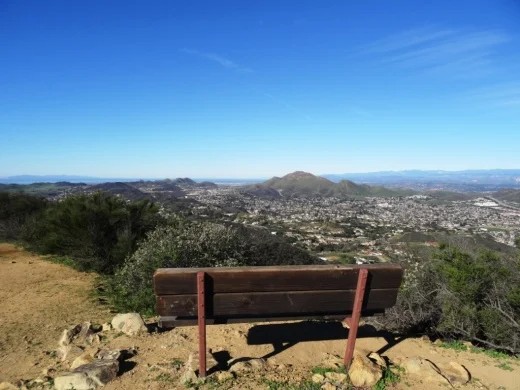
Where to actually go
The trail system is the payoff, and fall is the season for it:
- Wildwood Park — Paradise Falls, the Two Springs and Wildwood Canyon trails. The most-used entry point in Thousand Oaks.
- Conejo Canyons — the big, wild western block, with its own management plan and the Western Plateau trails.
- Lang Ranch and Woodridge — the eastern network, connecting toward Simi Peak and China Flat.
- Rancho Sierra Vista / Satwiwa — the National Park Service gateway above Newbury Park, and the route toward Boney Mountain and Sycamore Canyon.
- Los Robles Trail — the long spine running the length of the south side of the valley.
Frequently asked questions
How much open space is in the Conejo Valley?
There are 15,334 acres of protected open space within the Thousand Oaks city limits and planning area — roughly a third to 40 percent of the planning area. COSCA owns or manages about 12,400 to 12,700 of those acres.
What is COSCA?
The Conejo Open Space Conservation Agency, a joint powers agency formed in 1977 by the City of Thousand Oaks and the Conejo Recreation and Park District to acquire and manage open space. It maintains more than 150 miles of trails.
Can the Conejo Valley open space ever be developed?
Land owned outright by COSCA and its conservation partners is protected in a much stronger way than land that is merely zoned open space, and unwinding the joint powers structure would require action by both parent agencies. Privately owned vacant hillside is a different matter — always verify the specific parcel.
How do I find out if the land behind a house is protected?
Check the actual parcel ownership and land-use designation rather than relying on a listing description. Your agent or a title officer can pull it, and COSCA and the city can confirm whether a parcel is in public ownership.
How many miles of trails are there?
COSCA maintains more than 150 miles of trails for hiking, mountain biking and equestrian use, and they connect into the far larger Santa Monica Mountains system to the south.
If the view or the trail access behind a home is part of why you want it, that is exactly the kind of thing worth verifying before you write an offer. Get in touch and I will look up the parcel with you.
Explore: Thousand Oaks · Newbury Park · Westlake Village · Agoura Hills · Oak Park