
Why Goats Clear the Hillsides in the Conejo Valley Instead of Landscapers
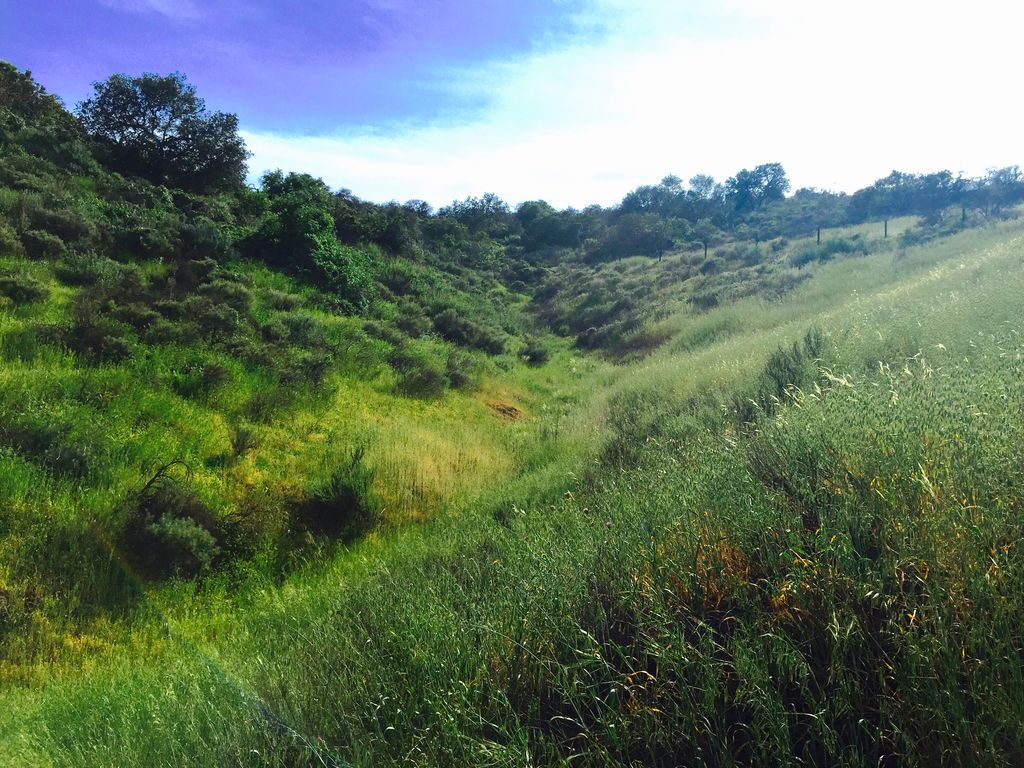
Why goats? Because on a 40-degree hillside covered in dry mustard and invasive grass, a herd of goats is cheaper, safer and better for the soil than a crew with weed whips. Cities and communities across the Conejo Valley — Thousand Oaks, Newbury Park, Westlake Village, Agoura Hills and Oak Park — bring in grazing herds every year specifically to cut wildfire fuel loads in terrain where machinery is impractical and a single spark from a metal blade hitting a rock can start the fire everyone is trying to prevent.
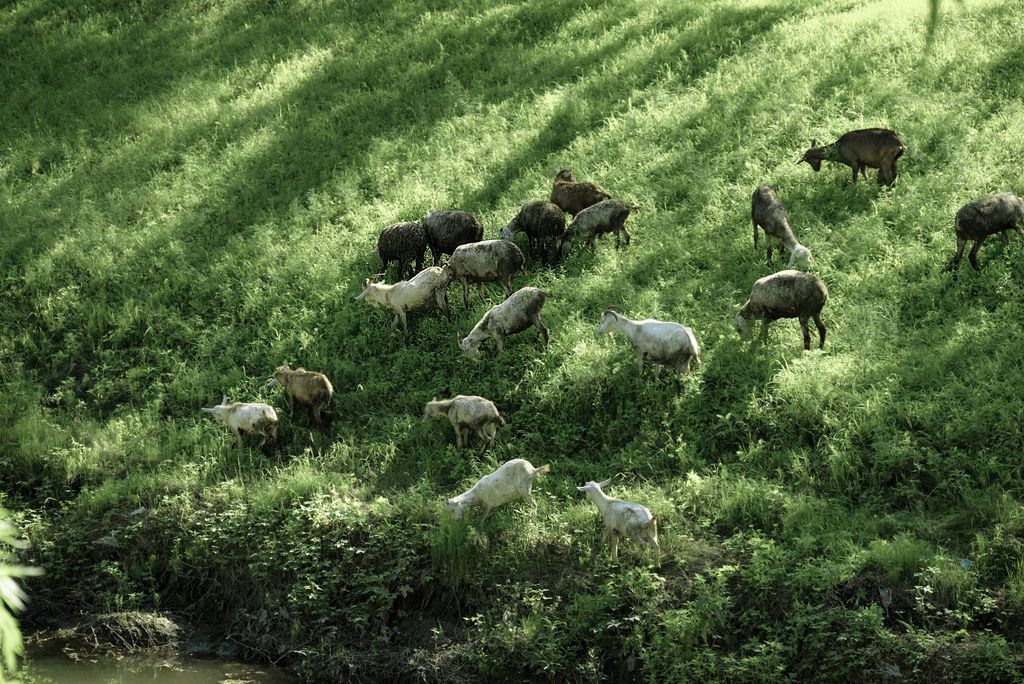
If you live here, you have seen them. Every summer a herd shows up on the slopes around Canyon Oaks Park, or above a cul-de-sac in Oak Park, and for a week the whole neighborhood walks their dogs in that direction. It is a genuinely charming local ritual. It is also a serious piece of fire infrastructure, and the reasoning behind it is more interesting than most people realize.

The five real reasons goats beat a landscaping crew
1. They can work terrain that people and machines cannot
This is the biggest one. The City of Westlake Village lists it first among the benefits of grazing: goats reach steep and difficult terrain where machinery may be limited. Much of the vegetation that matters most for fire behavior sits on slopes above homes, in drainage areas, and on open-space parcels with no vehicle access. Sending a crew with string trimmers up a 2:1 slope in July is slow, expensive and genuinely dangerous. Goats do not care about the grade.
2. Mechanical clearance starts fires
This is the part nobody expects. Westlake Village has published the blunt version on its own brush-clearance safety page: nearly half of recent fires in our area were inadvertently caused by residents and businesses clearing brush. A mower blade or metal weed-whip head striking a rock throws sparks into cured fuel on a 100-degree afternoon. That is not a hypothetical risk in the Conejo Valley; it is a recurring cause. Goats have no ignition source.
3. Less soil disturbance and erosion
Grazing removes the fuel while leaving root structure and soil largely intact. Mechanical clearance and disking break up the surface, and on our slopes that translates directly into runoff and erosion problems when the first real rain arrives in November or December. The city specifically cites minimizing soil disturbance and erosion, and reducing heavy equipment in sensitive habitat, as reasons for using herds.
4. Cost, at scale
For a small residential yard, a gardener is obviously cheaper. For 10, 20 or 40 acres of rough open space, the math flips hard. Contract grazing is typically priced by the acre, and a herd works continuously without hourly labor, equipment transport, fuel, green-waste hauling or dump fees. The goats also process the material on site, which eliminates the single largest hidden cost of mechanical clearance: getting the cut biomass off the hill.
5. Timing and habitat
Westlake Village coordinates its grazing with the Los Angeles County Fire Department so the work is finished before the August 1 deadline, and late enough in the season that the vegetation does not simply grow back before fire season peaks. Grazing also tends to be more selective than blade work — goats preferentially eat the invasive annuals and leave more of the native structure, which matters on parcels managed for habitat value as well as fire safety.
Where the goats actually go
In Westlake Village, the city contracts herds each summer for targeted open-space areas, drainage channels and City-owned parcels. The hillsides around Canyon Oaks Park and the dog park are the reliable annual spot, and herds have also worked Oak Grove Park and the slopes off Lindero Canyon. The city arranges access agreements with property owners to allow herds onto specific open-space parcels.
In Oak Park, which is unincorporated Ventura County, the picture is a patchwork: Ventura County Fire handles hazard-reduction enforcement, Rancho Simi Recreation and Park District manages the parks, and community groups including Friends of Oak Park Open Space are active on the open-space side. Grazing here has often been project-based rather than a single citywide contract — including a well-covered effort where Oak Park students organized a two-acre grazing project to build a fire break using a local herd.
In Thousand Oaks and Newbury Park, grazing is typically hired slope by slope rather than through one citywide contract. Hillside HOAs, private owners and open-space edges bring in herds each season — including 805 Goats, the family-run outfit based right here in the Conejo Valley — and by early summer it is normal to round a corner in a hillside neighborhood and find a fence line of goats working ground no mower could safely touch.
In Agoura Hills and Calabasas, the Mountains Recreation and Conservation Authority and LA County Fire have run grazing on high-hazard parcels, and the practice has spread across Southern California — Culver City, Palos Verdes Estates, Topanga and the Reagan Library grounds in Simi Valley all use herds.
What this means if you own a home here
Three things, and they are all practical.
The public agency clears the open space. You are responsible for your own lot. Grazing on a City or district parcel does not satisfy your defensible-space obligation. If your property backs to open space, you still have a clearance requirement from LA County Fire or Ventura County Fire depending on which side of the line you are on, and you still need to meet it annually.
If you clear it yourself, do it early and do it in the morning. Given how many local fires start from clearance work, the single best risk-reduction move is doing brush work in spring rather than mid-summer, early in the day, and using hand tools or a mower with the blade kept off rock.
Community-level fire mitigation shows up in your insurance file. Westlake Village is certified by the California Board of Forestry and Fire Protection as a Fire Risk Reduction Community, and the city explicitly lists lower homeowners insurance rates as one benefit of the designation. Insurance has become one of the real friction points in escrow across the Conejo Valley, so when I am working with a buyer on a hillside property, the community’s mitigation record is part of the conversation — not a footnote.
Frequently asked questions
Why does Westlake Village use goats instead of landscapers?
Goats can graze steep open-space terrain where machinery is impractical, they eliminate the spark risk that causes many local brush fires, they minimize soil disturbance and erosion, they need no green-waste hauling, and the City coordinates the work with LA County Fire to finish before the August 1 deadline.
When do the goats come to Westlake Village?
Each summer. The city schedules grazing so the work is completed before the August 1 brush-clearance deadline, which in practice means herds typically appear from late spring through July.
Are goats used in Oak Park too?
Yes, though Oak Park is unincorporated Ventura County and grazing there has generally been organized project by project rather than through one citywide contract, involving Ventura County Fire, Rancho Simi Recreation and Park District and local open-space groups.
Does goat grazing on nearby open space satisfy my defensible space requirement?
No. Agency grazing on public parcels is separate from the private property owner’s annual brush-clearance obligation, which is enforced by LA County Fire or Ventura County Fire depending on location.
Is goat grazing cheaper than hand crews?
On large acreage, generally yes, because contract grazing is priced per acre and avoids equipment transport, fuel, labor hours and the cost of hauling cut vegetation off site. On a small residential yard, a gardener is usually cheaper.
Buying on a hillside lot anywhere in the Conejo Valley — Thousand Oaks, Newbury Park, Westlake Village, Agoura Hills or Oak Park? Brush clearance, defensible space and insurability are things I walk through with clients before they write an offer, not after. Let’s talk.
Related: Fire hazard zones, brush clearance and insurance in the Conejo Valley · Westlake Village · Oak Park · Agoura Hills