
The 10 Renovations That Actually Move the Needle Before You Sell (In Order)
 Dusk at my Tarzana Mid Century Project from 2022 — in Southern California, the indoor-outdoor lifestyle sells the home as much as any room inside.
“Which renovations have the best return on investment?”
It’s not always as strait forward as it seems.. Answering this with blanket percentages, as we have all seen, is not accurate and frankly just lazy! Statistics can lie and every home, every neighborhood, and every market situation is a little different.
An improvement that pays off beautifully in one Tarzana pocket can be a waste of money a few miles away on a different type of home. That’s exactly why the smartest thing you can do before spending a dollar is bring in someone who has done this many times and knows what makes sense for your situation. That said, there is a logic to how I prioritize.
As a general rule, the largest surface you can improve for the least amount of money is the best place to start, and you work your way down the list from there.
1. De-cluttering and Cleaning
Before you invest in renovations, begin with de-cluttering and cleaning. This is the most affordable improvement and one of the most impactful. People imagine themselves living the lifestyle the space demonstrates when they see it. Nobody wants to live in a cluttered or dirty space and the more time and effort put in here, the better your outcome. A cleaner space also gives the impression of a better maintained and more valuable home.
***AD IMAGE OF PERSON CLEANING***
1. Paint

Freshly painted interior my Tarzana Mid Century Project from 2022 — in Southern California, the indoor-outdoor lifestyle sells the home as much as any room inside
A good paint job is the highest-leverage thing you can do. It gives you a cleaner look inside and out, and it quietly tells buyers something important: this house is well maintained and clean “under the hood” too. That message lands both consciously and subconsciously the moment someone walks up to the door. Fresh, neutral paint covers a lot of small sins and makes everything that follows look better.
2. Flooring
 New wide-plank wood floors run continuously through the living areas at our Oak Park project — continuity and a modern material make the whole home feel larger.
Flooring matters most when you’ve got dirty carpet or substantially damaged floors dragging the home down. If the property is a high-value home with relatively low square footage, creating continuity and modernizing the floors can bring a dramatic jump in both value and salability. Buyers feel a home that flows from room to room on one consistent surface, and they discount a home that feels chopped up or worn.
3. Landscaping & Curb Appeal
 Drought-tolerant, water-wise landscaping at Palomar Place — low maintenance and unmistakably Southern California curb appeal.
Landscaping can be as simple as watering more consistently to green up the grass, or spending a couple hundred dollars on flowers. The point is curb appeal: the front of the home is the first thing a buyer sees, and that first impression colors everything they think for the rest of the tour. Here in Southern California, water-wise, drought-tolerant planting looks intentional and modern while keeping maintenance low. Beyond the front yard, make the outdoor spaces feel like somewhere people actually want to be — clean up the entry path, define a seating area, and let buyers picture themselves living outside, because out here they will.
4. Lighting

Lighting improves the look of a large area without a lot of money. If your yard is impressive, invest in some landscape lighting to accent the focal points, and string overhead bistro lights to transform the evening experience — it turns a nice backyard into a place people imagine hosting.
 Landscape and pool lighting transform the Palomar Place backyard after sunset — a yard that shows beautifully at dusk is a real advantage.
Indoors, keep your light temperature consistent throughout the home. I recommend 3000K–3500K for a warmer, cozier vibe, which is appropriate for most homes. If you’ve got a lot of skylights and you’re going for a natural, sun-filled feeling, try 5000K to mimic daylight. Mixing temperatures room to room is one of those little things that reads as “off” even when a buyer can’t name why.
5. Fixtures
 Matching, contemporary fixtures and pendant lighting tie the Mid Century theme and kitchen together.
Matching, contemporary door handles, light fixtures, and plumbing fixtures are the next potential upgrade that sometimes makes sense before you sell. This is where you have to start being very conscious about price points and how much the fixtures will actually improve the overall impression. For example, if you put shiny new plumbing fixtures on a 40-year-old vanity with cracked shower tile, missing grout, and water-stained cabinet doors, the return is negligible. The buyer still sees the bathroom as an immediate project. In that case you either leave it alone and account for it in the price, or you commit to refreshing the vanity and retiling the shower along with the fixtures. Which way you go depends on the market return for turn-key versus project homes in your specific neighborhood and timing. Generally, higher-end areas with a high price per square foot make the most sense to invest into and sell turn-key — but there are exceptions, and that’s a conversation worth having before you commit.
6. Kitchen

If you’re this far down the list, hopefully your home really needed some love. The kitchen is the improvement that brings in a whole new set of buyers and can substantially raise your value. The trick is matching the kitchen you install to the level of buyer you expect to attract. Don’t drop an oversized, top-of-the-line chef’s kitchen into a two-bedroom condo and expect a reasonable return — it’ll make the home easier to sell and get you a higher price, but likely not as much as you spent building it, and not much more than a right-sized, mid-level kitchen would have. The same goes the other way: don’t undersize or go cheap on a luxury home’s kitchen.

7. Bathrooms (Starting with the Primary)

If everything else on this list is handled and the bathrooms are dated enough that they’re the last thing holding the picture back, then strategic, modern updates to the bathrooms can be worth it — starting with the primary. Be careful how much you spend, and keep the finishes current and neutral for maximum return.

8. Systems & Smart Home Upgrades
Systems — HVAC, roof, water heater — are usually only worth doing proactively if something is broken or malfunctioning and would be credited later anyway. Handling it before you list will increase your sale price and salability, versus letting it surface at inspection where it becomes a credit or a renegotiation. Each of these can be advertised as a feature that helps the home stand out, or it can be a potential issue that costs you at inspection. Every case is different and depends on the age and condition of the equipment.

9. Windows
Replace windows only if the older ones are genuinely in bad shape. New windows will raise value, but they’re expensive, and their real importance is in completing a fully “turn-key” presentation on a high-value home.

10. Doors (Front Door First, Then Interior Doors)

Like windows, doors are most likely only worth it if you’re doing a substantial renovation in a high-value area and want to advertise a full renovation. Start with the front door, then move to interior doors.

Let’s Build Your Plan Before You Spend
Homes that address all of these items can command substantially more money than those that don’t — but it works best when the right comparable sales exist to support it. That’s the whole game: spending in the right places, in the right order, for your specific home and market. Contact me before you start spending money, and I’ll help you strategize for the best possible return.
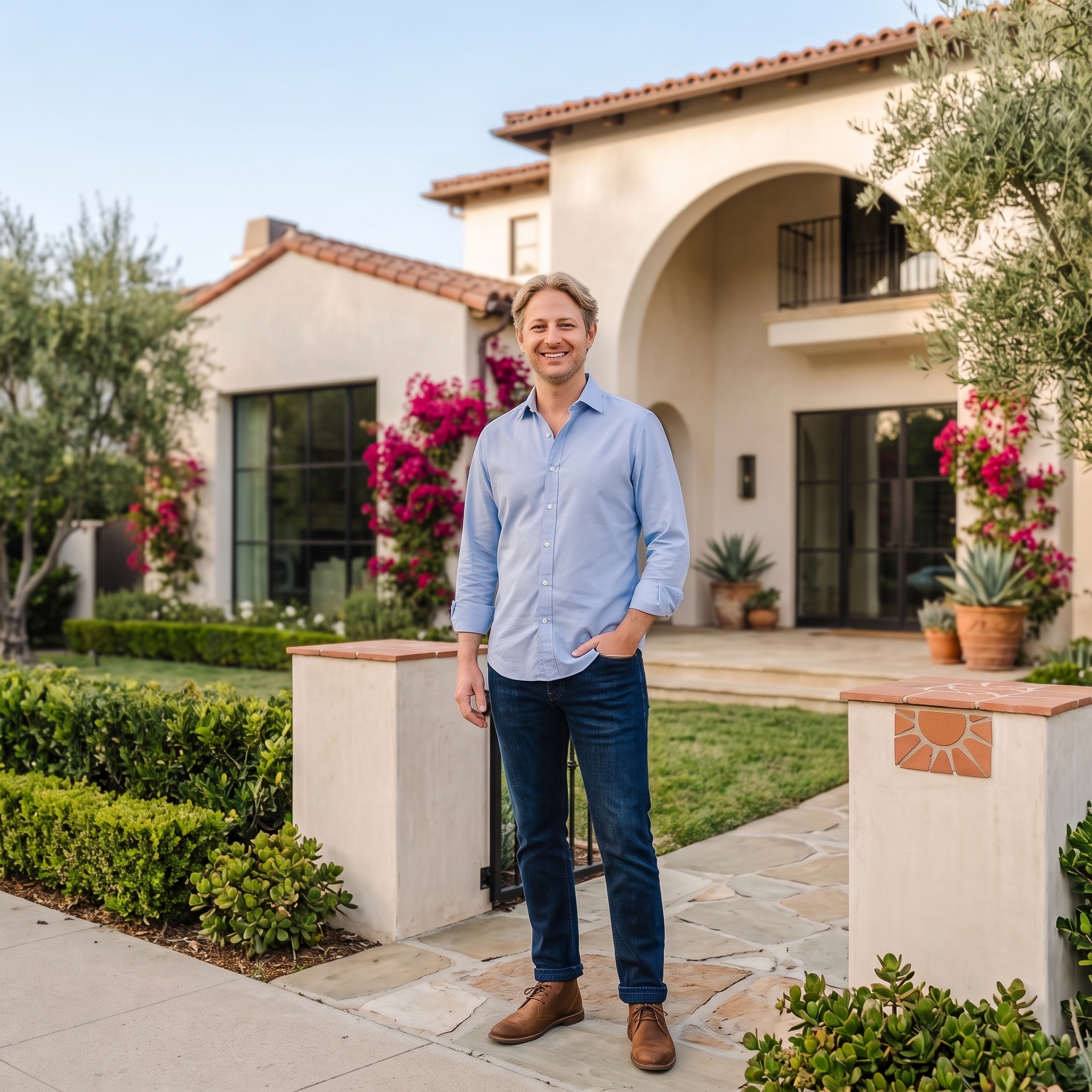
About the Author — Gary Jacobs
Gary Jacobs is a Southern California real estate expert with more than 19 years of experience and deep roots across the Conejo Valley, Los Angeles, and Ventura County. He sold hundreds of homes throughout Southern California and has guided investor clients through 75+ value-add renovation projects, generating more than $10 million in profit. This experience has given him practical knowledge of what projects are worth investing in and which ones are not. Gary specializes in strategic pricing, marketing, and investment strategy — helping sellers position their homes for the strongest possible return. Thinking about selling? Call or text Gary directly at (818) 307-3792 before you start spending, and he’ll help you build a plan tailored to your home and market conditions.