
Camarillo Neighborhoods: A 2026 Buyer’s Guide to Spanish Hills, Mission Oaks, Leisure Village and More
Camarillo looks simple from the 101: a city at the bottom of the Conejo Grade, outlets on one side, fields on the other. Spend a weekend driving it and it splits into very different places. A gated golf hillside, a 55-plus village, 1970s cul-de-sacs on old walnut orchards, a newer master plan with its own sports park, and an old downtown with a train station. This guide walks through the neighborhoods buyers ask about most, then the practical things that tend to decide the purchase: schools, the commute, climate, fire, and the tax bill.
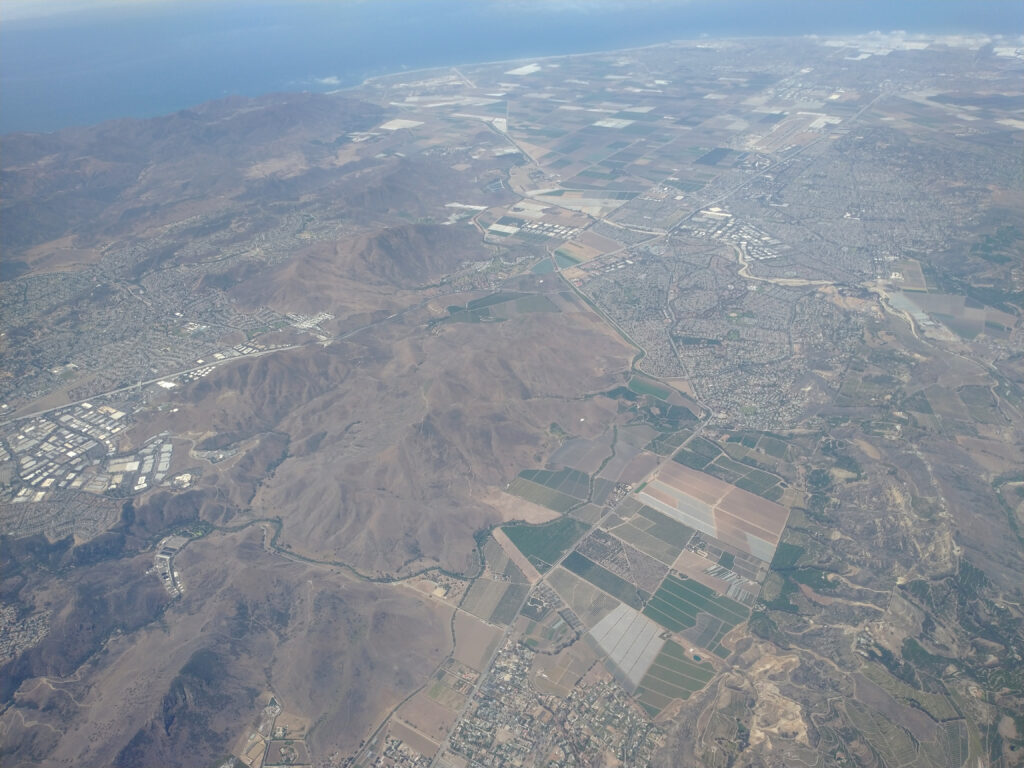
How Camarillo is laid out
The 101 runs east to west through the middle of town. North of the freeway the land rises into the Las Posas Hills, which is where the hillside neighborhoods sit: Spanish Hills, Las Posas Estates and, at the northern edge, Camarillo Heights. South and east of the freeway the ground is flat, and most of the 1960s through 1990s tracts spread out there toward Pleasant Valley Road, the airport and the fields of the Oxnard Plain. CSU Channel Islands sits apart in the hills to the south, on the old Camarillo State Hospital grounds.
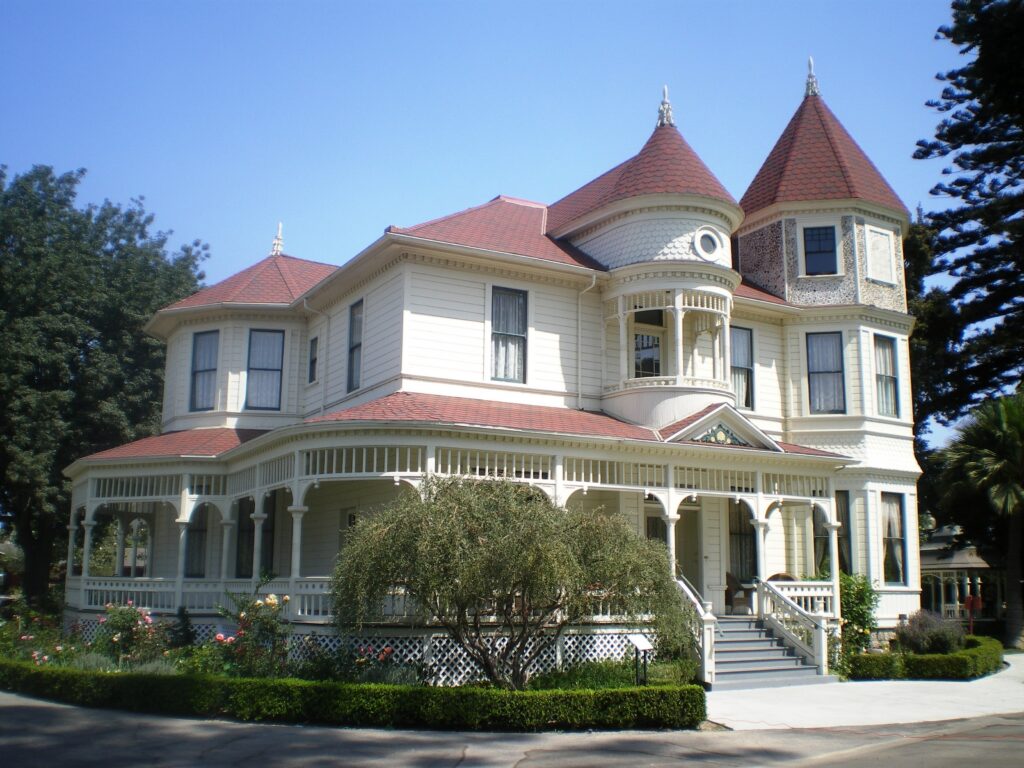
The city grew up around the Camarillo family. Adolfo Camarillo and his brother Juan inherited Rancho Calleguas, the family chapel of St. Mary Magdalen became the center of the town, and Adolfo's 1892 Queen Anne ranch house survives as a museum run by the Camarillo Ranch Foundation. The city incorporated in 1964, and most of its housing was built in the decades after.
The neighborhoods
Spanish Hills
Spanish Hills is Camarillo's top-end hillside: large custom and semi-custom homes on view lots in the hills north of the 101, much of it behind gates, around the private Spanish Hills Club and its 18-hole course. Buyers here are usually trading off between view, lot size and how much of the lot is usable versus slope. Expect HOA dues, gate and architectural rules, and in some sections a separate club membership that is not included with the house. Because it sits against open hillside, fire zone and insurance are part of the conversation from the first showing.
Las Posas Estates
Las Posas Estates covers the hills around Las Posas Country Club, west of Spanish Hills. Lots are generally larger than in the flatland tracts, many homes date from the 1960s and 1970s and have been remodeled since, and streets wind with the terrain. It tends to appeal to buyers who want a hillside lot and a view without the gate or the newest-build price. Some sections have HOAs and some do not, so check each street.
Camarillo Heights
Camarillo Heights sits on the hillsides at the city's northern edge, toward Highway 118 and Somis, with older homes on larger and often sloped lots and a more rural feel than the flatland tracts. It is also the neighborhood the November 2024 Mountain Fire hit hardest; the fire crossed the 118 and destroyed dozens of homes here. Rebuilding is under way, and buyers looking at rebuilt homes, lots or nearby houses should look carefully at permits, the fire hazard zone, insurance quotes and defensible space.
Mission Oaks
Mission Oaks, on the east side in the 93012 ZIP, was built largely from the 1970s through the 1990s on former walnut orchards. It is mostly production single-family homes on standard lots, with neighborhood parks, quiet loops and cul-de-sacs, and Adolfo Camarillo High School inside the neighborhood. It is where many families start, because the houses are straightforward, the streets work for kids, and the high school is close by. Many sections have no HOA or a light one.
Woodcreek and the east side
Woodcreek and the neighboring tracts toward Santa Rosa Road extend the east-side pattern: single-family homes and some townhome sections from the same building waves as Mission Oaks, close to the Santa Rosa Valley and the road over to Moorpark Road. HOA status varies by tract, so it is worth checking each listing rather than assuming.
Leisure Village (55+)
Leisure Village opened in 1973 as a gated community for residents 55 and older, with roughly 2,100 homes, a golf course and its own activity buildings. Homes are mostly single-story attached units, which is much of the appeal. The association runs the grounds and amenities, so the HOA dues cover more than they would in a typical tract. Read the CC&Rs for the age and occupancy rules, and look at the association's reserve study and recent dues increases.
Village at the Park
Village at the Park is the newer master-planned area along the 101 between Petit Street and Pleasant Valley Road. The plan covers roughly 339 acres and about 1,050 homes at a range of densities, from detached homes to townhomes, built around a 55-acre community sports park. Houses are newer and more energy efficient than most of the city's stock, and lots are smaller. This is also where buyers should expect an HOA and look for special assessments on the tax bill.
Old Town
Old Town runs along Ventura Boulevard, the old highway route, around St. Mary Magdalen and the Camarillo Metrolink and Amtrak station. When the 101 was built in the 1950s it cut through the original town, so Old Town today is a narrow strip of older cottages, small apartment buildings, restaurants and shops. It is the most walkable part of Camarillo and often the most varied, with lot sizes, ages and condition that change house to house.
Pleasant Valley and the south side
The neighborhoods toward Pleasant Valley Road and the airport, many built in the 1960s and 1970s, make up much of Camarillo's single-story ranch housing. Lots here can be generous for the price, HOAs are uncommon, and many homes are on their second or third remodel. Some streets border working fields, which is worth thinking about (see below).
| Area | Typical housing | HOA | Things to check |
|---|---|---|---|
| Spanish Hills | Custom and semi-custom hillside homes, golf | Yes, largely gated | Fire zone, club membership, usable lot |
| Las Posas Estates | 1960s–70s hillside homes, many remodeled | Some sections | Slope, view, fire zone |
| Camarillo Heights | Older hillside homes, rebuilds | Varies | Permits, insurance, defensible space |
| Mission Oaks / east side | 1970s–90s production single-family | Often none or light | School assignment, roof and systems age |
| Leisure Village | Single-story attached, 55+ | Yes, gated | Age rules, reserves, dues history |
| Village at the Park | 2000s and later detached and townhomes | Yes | Mello-Roos / CFD, lot size |
| Old Town | Older cottages and small multifamily | Rarely | Condition, train and freeway noise |
Schools
Most of Camarillo is in two districts: the Pleasant Valley School District for elementary and middle school, and the Oxnard Union High School District for high school. The high schools Camarillo families talk about most are Adolfo Camarillo High in Mission Oaks, Rio Mesa High west of town, and Rancho Campana High, a newer campus organized around engineering, arts and health science academies. Pleasant Valley also runs magnet and choice programs, and attendance boundaries do not line up neatly with neighborhood names, so confirm the assigned schools for the exact address with each district before you write an offer. A few edges of town and the unincorporated areas nearby fall in other districts.
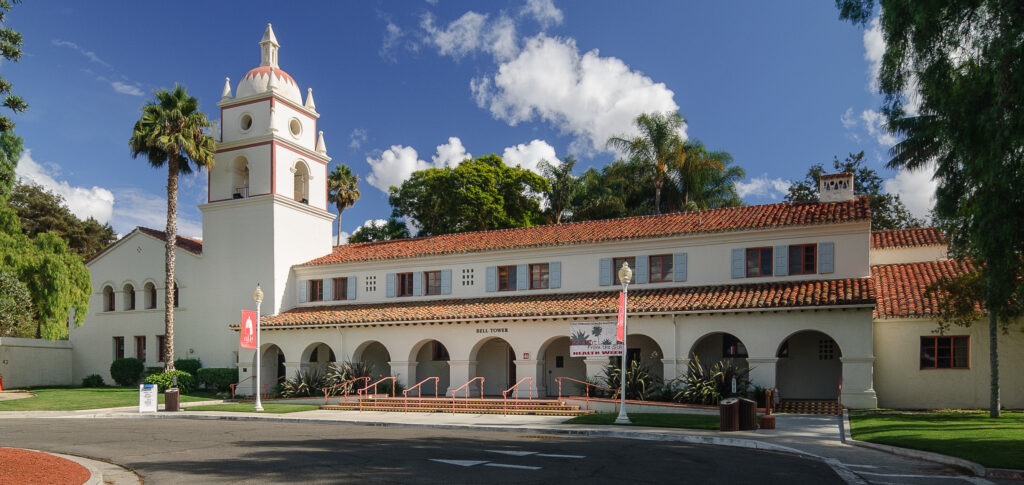
CSU Channel Islands opened in 2002 on the former Camarillo State Hospital, in the hills south of town. It brings faculty and staff buyers into Camarillo, and it is the reason some streets near Lewis Road see more student renters than others.
The commute
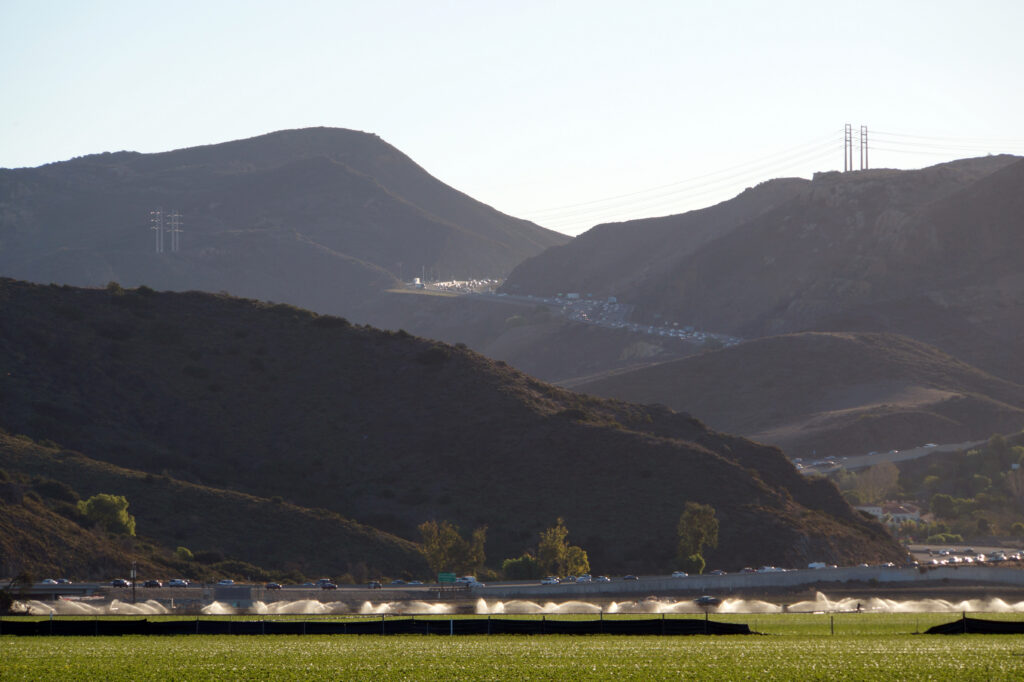
The Conejo Grade sets the pattern. Heading east, the 101 climbs about 2.7 miles at roughly a 7 percent grade up to Newbury Park and Thousand Oaks, then continues through Westlake Village, Agoura Hills and Calabasas into the San Fernando Valley. Heading west, Oxnard and Ventura are flat and close. Highway 118 leaves from the north side of town through Somis toward Moorpark and Simi Valley.
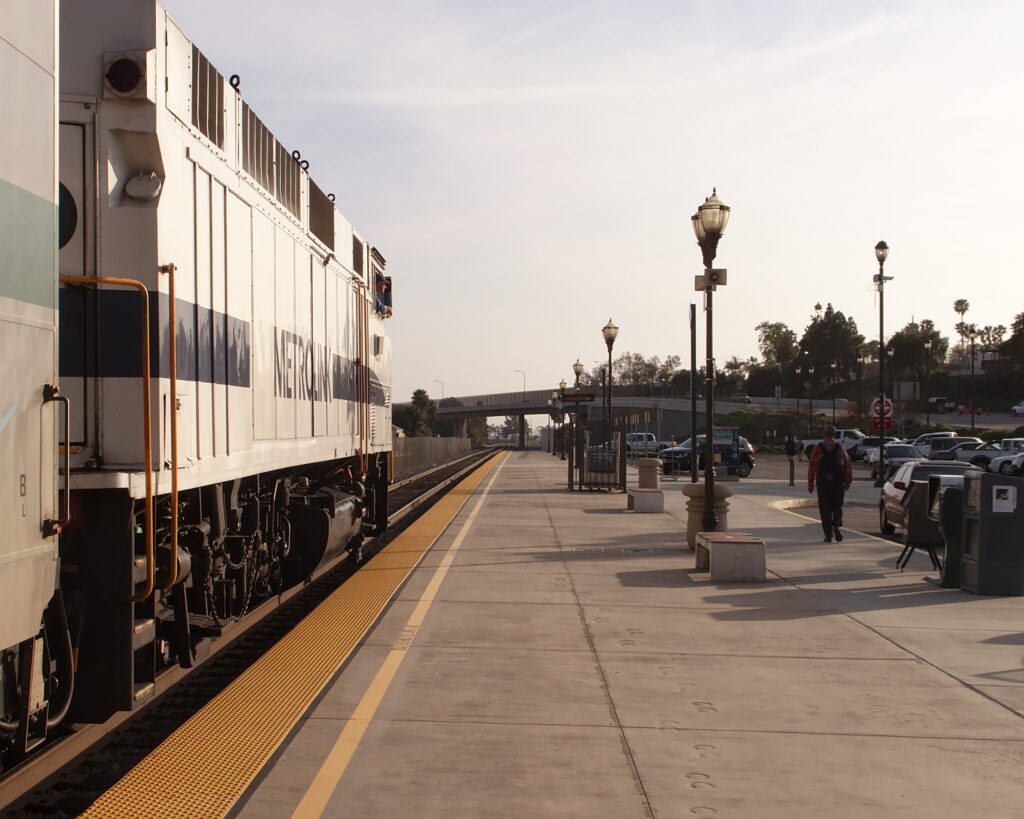
The Camarillo station in Old Town has Metrolink Ventura County Line service toward Burbank and Union Station and Amtrak Pacific Surfliner trains up and down the coast. Some commuters use it a few days a week and drive the rest.
Climate
Camarillo's climate is a big reason buyers come down the grade. It sits on the coastal plain, so summer mornings often start under marine layer and afternoons usually stay milder than in Thousand Oaks, Moorpark or Simi Valley. Winters are mild, and most of the roughly 12 inches of yearly rain falls between November and March. The tradeoff comes in fall, when Santa Ana winds can push fire out of the hills: the 2013 Springs Fire and the 2024 Mountain Fire both reached the edges of the city.
Outlets, airport and daily life
The Camarillo Premium Outlets, opened in 1995 with about 160 stores, sit on the west side along the 101 and draw shoppers from both counties, which matters mostly on holiday weekends when the nearby interchanges back up. Camarillo Airport, on the former Oxnard Air Force Base, is a general aviation airport with no scheduled airline service; it handles private and business aircraft and flight training and hosts the Commemorative Air Force museum. Homes closest to the runway and approach paths hear it, so drive by at different times of day if a listing is on the south or west side.
What to check before you buy in Camarillo
- HOA documents. Gated and golf communities, Leisure Village and the newer master plans have associations. Read the budget, reserve study, CC&Rs and any pending special assessments, not just the monthly dues.
- Mello-Roos and other assessments. Newer areas such as Village at the Park may carry a Community Facilities District (Mello-Roos) or a lighting and landscape district. The property tax bill lists each one; check how many years remain.
- Fire zone and insurance. Hillside neighborhoods often fall in mapped fire hazard severity zones. Get a homeowners insurance quote during the inspection period rather than after.
- Agricultural neighbors. Camarillo is ringed by row crops and orchards. Homes next to fields may notice early-morning tractors, dust and seasonal spraying. California sellers disclose nearby agricultural operations, and Ventura County supports right-to-farm protections, so a working field next door usually stays a working field.
- School assignment. Confirm the exact elementary, middle and high school by address with Pleasant Valley and Oxnard Union, especially if a specific campus matters.
- Freeway and train noise. Old Town and the streets closest to the 101 and the rail line hear both. Visit at commute hours.
How Camarillo compares
Most Camarillo buyers are also looking at Newbury Park, Moorpark or Ventura. Compared with Newbury Park, Camarillo usually offers more house or more lot for the price, a cooler summer, and a longer drive east. Compared with Moorpark, it is closer to the coast and has more variety in housing age. If you are weighing those options, the coastal Ventura County and Camarillo market guide, the Moorpark housing market guide and the Santa Rosa Valley guide cover the neighbors. You can also browse current Camarillo listings or read more on the Camarillo area page.
Frequently asked questions
Which Camarillo neighborhoods are gated?
Leisure Village is gated, and much of Spanish Hills is behind gates. A few smaller enclaves elsewhere have gates too. Most of the city's tracts are open streets.
Do I need to worry about Mello-Roos in Camarillo?
In older neighborhoods, usually not. In newer master-planned areas, it is worth checking. The tax bill shows any Community Facilities District or other special assessment and how long it runs.
Which high school would my kids attend?
Most of Camarillo is in the Oxnard Union High School District, and the assigned school depends on the address. Adolfo Camarillo High serves much of the east side, and Rio Mesa serves areas to the west. Rancho Campana enrolls through its academy programs. Confirm with the district for a specific property.
Is Camarillo cooler than Thousand Oaks?
Usually, especially in summer. Camarillo sits on the coastal plain below the Conejo Grade and gets more marine layer, so afternoons often run milder than over the hill.
How bad is the commute to the San Fernando Valley?
It depends on the hour and where in the Valley you are going. The route is the 101 over the Conejo Grade and through the Conejo Valley, and peak hours can be slow through Thousand Oaks and Calabasas. Metrolink from the Camarillo station is an option for downtown Burbank and Union Station.
Can I find out what my Camarillo home is worth?
Yes. Gary Jacobs can pull the recent sales for your specific tract and adjust for HOA, lot and condition. Start with a home valuation or get in touch.