
Living in Reseda: A 2026 Guide to Homes, ADU Potential, Schools and the Reseda Theater
Reseda doesn't get much attention from people outside the Valley, and that is a big part of why buyers end up here. It sits in the middle of the San Fernando Valley, between Northridge and Tarzana, and is made up mostly of postwar single-story homes on standard Valley lots. Prices usually come in below the neighborhoods to the south, and the lots often have space for an accessory dwelling unit. This guide covers how Reseda came to look the way it does, what the housing stock is like, the schools, the commute, and what to check before you buy or sell here.
A short history: from Marian to Reseda
Reseda started in 1912 as a town called Marian, on land that had belonged to the San Fernando Mission. It was named for Marian Otis Chandler, the daughter of Los Angeles Times publisher Harrison Gray Otis and the wife of Harry Chandler, whose syndicate was developing much of the Valley at the time. In 1921, when the community needed a post office, the name was changed to avoid confusion with other Marians. The new name came from Reseda odorata, a fragrant flowering plant also called mignonette. The post office opened in 1922.
The business district started in 1915 around the intersection of Reseda Boulevard and Sherman Way, and Pacific Electric's Red Cars once ran along Sherman Way. For decades Reseda stayed agricultural. Orange groves covered much of the area until the 1940s, when housing tracts began replacing them. That timing explains a lot about Reseda today: most of the neighborhood was built in one wave, after World War II, as single-story homes on a regular street grid.
The 1994 earthquake was centered here
It is called the Northridge earthquake, but the January 17, 1994 quake was centered under Reseda. The USGS places the epicenter about a kilometer north-northwest of central Reseda, between Arminta and Ingomar streets just west of Reseda Boulevard. The magnitude 6.7 quake killed 57 people by the official count and caused heavy damage across the Valley. Many Reseda homes were repaired, bolted or partly rebuilt in the years after, which is one reason two similar-looking houses on the same block can have very different construction histories.
Where Reseda is, and what is next door
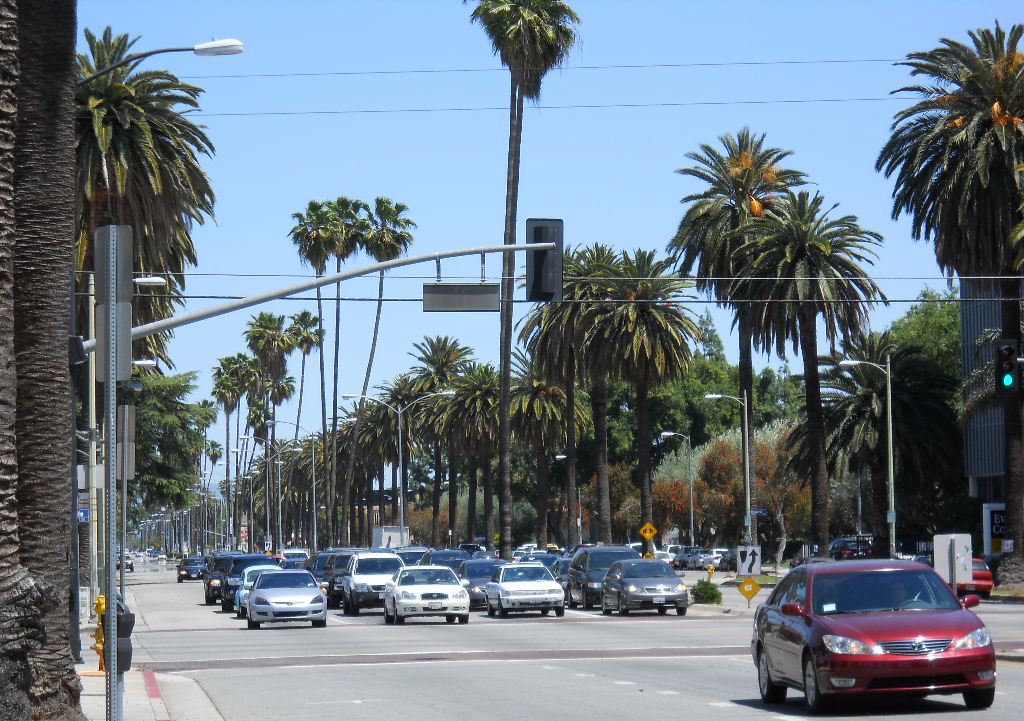
Reseda's boundaries run roughly from Roscoe Boulevard south to Victory Boulevard, and from White Oak Avenue west to Corbin Avenue. Neighbors are Northridge to the north, Lake Balboa to the east, Tarzana and Encino to the south, Woodland Hills to the southwest and Winnetka to the west. It is a neighborhood of the City of Los Angeles, ZIP code 91335, so city services, zoning and building permits all run through the City of LA, and public schools are Los Angeles Unified.
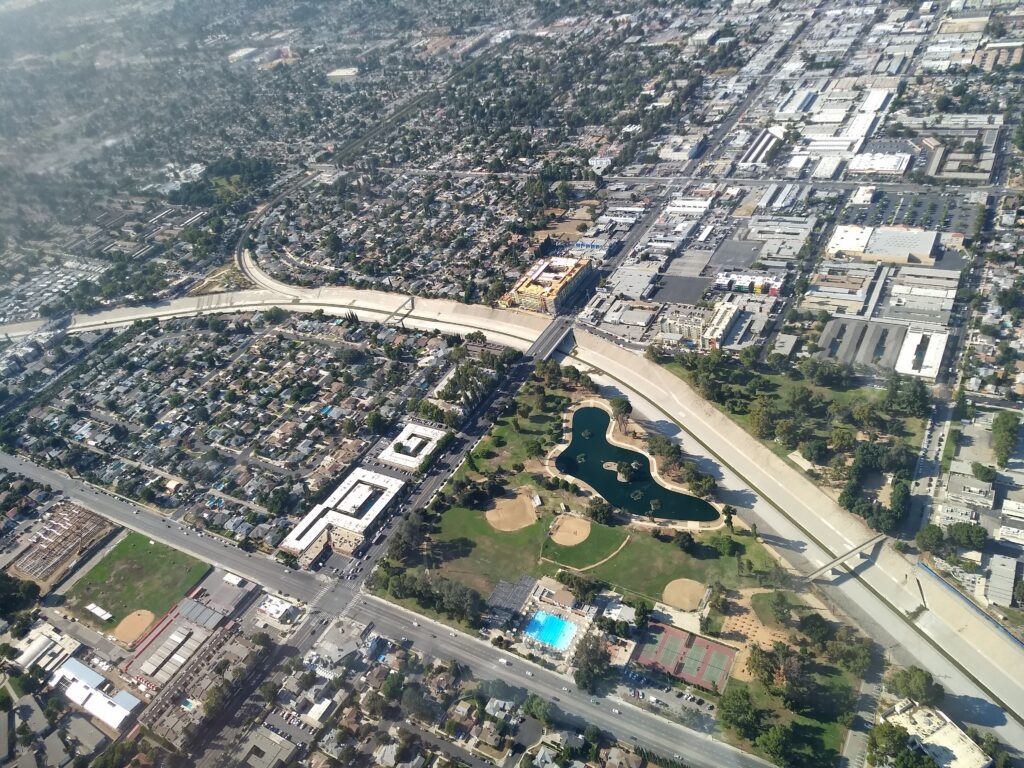
The Los Angeles River runs through the southern part of Reseda in its concrete channel, and the Metro G Line busway crosses the neighborhood near Oxnard Street.
The housing stock
Most of Reseda is a grid of 1950s ranch homes: single-story, often three bedrooms, frequently with a detached or attached garage and a usable backyard. Many have been expanded or remodeled over the years, and some have been rebuilt entirely. Along the main boulevards, including Reseda, Sherman Way, Victory, Vanowen and Tampa, you will find apartment buildings, small multi-unit properties and some condos and townhomes.
A few things come up again and again with Reseda houses:
- Original systems. Many homes still have original or partly updated electrical panels, galvanized or cast-iron plumbing and clay sewer laterals. A sewer-line camera inspection is a common and inexpensive part of escrow here.
- Foundation and seismic work. Because of the age of the houses and the 1994 earthquake, buyers often have the foundation bolting and cripple walls checked. The City of Los Angeles also has a mandatory soft-story retrofit program that covers many older wood-frame apartment buildings with tuck-under parking.
- Unpermitted additions and garage conversions. These are common in older Valley neighborhoods. Pulling the permit history from LADBS and comparing it with the house as it stands is a basic but important step.
Why ADUs are a big part of the Reseda conversation
One reason many buyers look at Reseda is that its lots often work well for an accessory dwelling unit. California law now allows an ADU, and in many cases a junior ADU, on most single-family lots, and Los Angeles has permitted a large number of them in recent years. Reseda's postwar lots often have the yard depth, side access or existing garage that make a backyard unit or garage conversion practical.
That said, not every lot is a good candidate. Utility easements, the location of the sewer line, overhead power lines, the shape of the lot and the position of the existing house can all limit what fits or raise the cost. If an ADU is part of your plan, whether for rental income, a family member or a home office, have an ADU designer or contractor look at the property during your inspection period. That is much easier than learning about a problem after closing.
For sellers, the reverse is true. A lot that clearly works for an ADU, or a house that already has a permitted one, can draw more buyers. It is worth pointing that out in the marketing.
Reseda Park and the Reseda Theater
Reseda Park, on Victory Boulevard, is the neighborhood's main green space. It has an ornamental lake where people fish, a large duck pond, barbecue areas, a baseball diamond, courts and a children's play area. In the 1950s and '60s a boathouse on the pond rented electric boats.
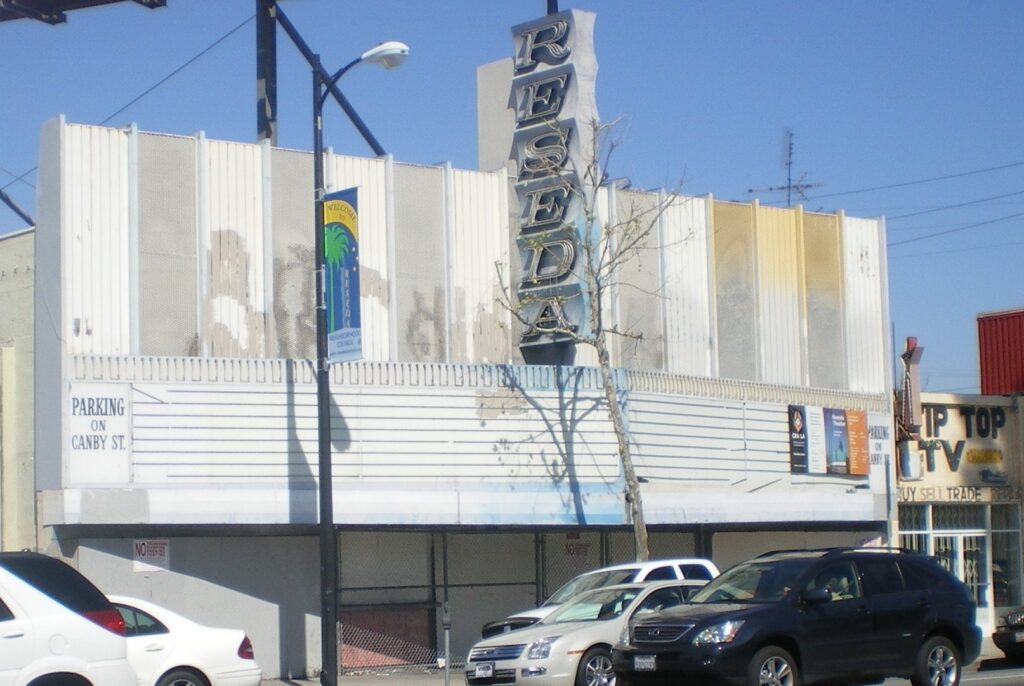
The Reseda Theater at 18443 Sherman Way opened in 1948 and closed in 1988. Its exterior appears briefly at the start of Boogie Nights. The building has been the focus of a long redevelopment effort. The current plan, reported in early 2026, would restore the historic facade and marquee and turn the roughly 15,900-square-foot building into a public market, or food hall, with vendor stalls and an outdoor beer or wine garden on the ground floor and two small screening rooms on a new upper level. As of that report, the project was still going through city review, so there is no firm opening date. If it opens, it could give the Sherman Way corridor a real anchor.
Reseda also has some pop-culture history: the Reseda Country Club, at Canby Avenue and Sherman Way, was a punk and new wave venue in the 1980s, and Reseda has been a setting for The Karate Kid, Magnolia and Cobra Kai.
Schools
Reseda is in Los Angeles Unified. The two public high schools inside the neighborhood are Reseda High School, on Kittridge Street, and Grover Cleveland High School, on Vanalden Avenue. Both offer magnet and specialized programs that draw students from outside their attendance areas. Elementary and middle school assignments depend on the exact address.
A few practical notes:
- Use LAUSD's Resident School Identifier to check the assigned schools for a specific address. Listing descriptions are sometimes wrong or out of date.
- LAUSD's magnet application system, eChoices, has fall deadlines for the following school year. If you are buying in spring or summer, you may be locked into the assigned schools for the first year.
- Nearby charter and private options are worth comparing, and some families in Reseda apply to magnets elsewhere in the Valley.
Getting around
Reseda is central, which helps. Reseda Boulevard runs south to the 101 at the Tarzana/Encino line, and Victory Boulevard and Sherman Way lead east toward the 405. The Metro G Line busway has a Reseda station on Reseda Boulevard near Oxnard Street, with service east to the B Line subway in North Hollywood and west to Warner Center and Chatsworth. A bike path runs alongside much of the G Line route.
For commuters, the main questions are usually how far they are from the 101 or 405 on-ramps, and whether they can use the G Line instead of driving.
How Reseda compares with its neighbors
Buyers who look at Reseda are usually comparing it with the neighborhoods around it. Here is a general way to think about them; actual prices vary by street and condition, and the live MLS numbers on each area page are the best guide.
| Neighborhood | Typical housing | What buyers often weigh |
|---|---|---|
| Reseda | 1950s ranch homes, apartments on boulevards | Lower entry price, ADU potential, central location |
| Lake Balboa | Postwar ranch homes, some larger lots | Sepulveda Basin access, Birmingham Community Charter High |
| Tarzana | Ranch homes in the flats, hillside homes south of Ventura | Ventura Boulevard, hillside options, higher prices |
| Encino | Ranch homes north of Ventura, large hillside homes to the south | Prestige, lot size, much higher prices |
| Winnetka / Canoga Park | Postwar tracts, apartments | Similar housing at often similar or lower prices |
For a broader look at how the Valley's neighborhoods compare, see the San Fernando Valley housing market comparison, and the guides to Encino and Van Nuys.
Tips for buyers
- Walk the block. Streets near the main boulevards can feel very different from the interior tract streets a few blocks in.
- Get the permit history. Compare what LADBS has on file with the actual house, especially for added bedrooms, converted garages and patio enclosures.
- Plan for older systems. Budget for a sewer-line inspection and, depending on the house, electrical or plumbing updates.
- Check flood maps near the river. Most of Reseda is outside FEMA's high-risk flood zones, but parcels near the Los Angeles River channel should be checked.
- If you want an ADU, find out early. A quick feasibility review during escrow can save a lot of money and frustration.
Tips for sellers
- Sort out permits ahead of time. Unpermitted work is common here, and buyers' lenders and inspectors often find it. Knowing what you have before listing makes negotiations smoother.
- Show the lot's potential. If your yard can fit an ADU, a simple site sketch or a designer's feasibility note can help buyers see the value.
- Price to the right comparables. A remodeled house with a permitted ADU and an original-condition house on a busy street are different products, even on the same tract. A home valuation based on recent closed sales near you is the best starting point.
To see what is on the market now, browse current Reseda listings, or visit the Reseda area page for live market numbers.
Frequently asked questions
Is Reseda a separate city?
No. Reseda is a neighborhood of the City of Los Angeles, ZIP code 91335. City services, zoning and permits go through the City of LA, and public schools are part of Los Angeles Unified.
Was the Northridge earthquake really centered in Reseda?
Yes. The USGS places the epicenter of the January 17, 1994 earthquake about a kilometer north-northwest of central Reseda, between Arminta and Ingomar streets west of Reseda Boulevard. The quake was named for Northridge, but the center was under Reseda.
Can I build an ADU on a Reseda lot?
Often, yes. State law allows ADUs on most single-family lots, and many Reseda lots have the space and access to make one practical. Easements, utility locations and the position of the existing house can limit what fits, so have the lot reviewed during escrow.
What's going on with the Reseda Theater?
The 1948 theater on Sherman Way closed in 1988. A city-backed plan would restore its facade and marquee and turn it into a food hall with small screening rooms upstairs. As of early 2026 the project was still in city review, with no firm opening date.
Which high schools serve Reseda?
Reseda High School on Kittridge Street and Cleveland High School on Vanalden Avenue are the two public high schools in the neighborhood. Assignments depend on address, so check LAUSD's Resident School Identifier for a specific home.
Is Reseda a good place for a first-time buyer?
Many first-time buyers look here because prices are usually lower than in Tarzana or Encino, the location is central and the lots often allow an ADU later. Older houses can need system updates, so a careful inspection matters.