

Malibu’s beaches range from the famous and easy-to-reach to hidden pocket coves you reach down a staircase in the bluff. Here’s how to find the right one — and how to get onto the sand, since access is Malibu’s perennial puzzle.
The classics: Surfrider, Malibu Lagoon and Zuma
Surfrider Beach and the adjacent Malibu Lagoon State Beach (with the historic Adamson House) sit at the heart of town by the pier. A few miles west, Zuma Beach is the big, wide, lifeguarded county beach with easy parking — the go-to for a straightforward beach day.
Point Dume and Paradise Cove
Point Dume and Westward Beach below it offer dramatic headland scenery, tide pools and a whale-watching overlook. Nearby Paradise Cove is a picture-perfect private-feeling beach anchored by its landmark café (parking is pricey, or validated with a meal).
The pocket beaches: El Matador, El Pescador, La Piedra
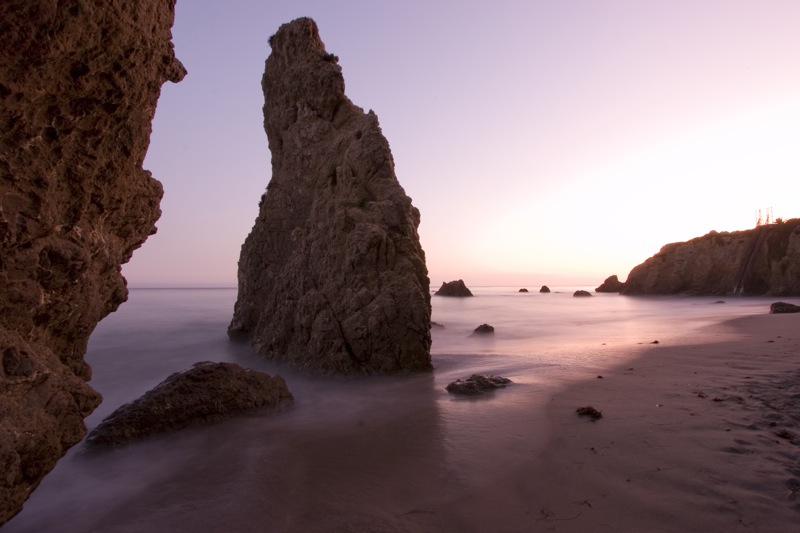
Malibu’s most photogenic coves are the trio of Robert H. Meyer Memorial State Beaches — El Matador, El Pescador and La Piedra — reached by bluff-top lots and stairways down to sea caves and sea stacks. El Matador is the famous one; go at low tide and off-peak.
Leo Carrillo and the western end
Leo Carrillo State Beach at the far west combines tide pools, caves, camping and reef surf. Farther-flung sands like Broad Beach are reachable via marked public accessways, even where the homes make it feel private.
A note on access
By California law the wet sand is public, and the Coastal Commission has established many public accessways between Malibu’s beachfront homes — look for the official access signs and gates. Parking is the real limiter, so arrive early at popular spots.
Frequently asked questions
What is the most beautiful beach in Malibu?
El Matador State Beach, with its sea stacks and caves, is the most photographed. Point Dume and Paradise Cove are close rivals for sheer scenery.
What is the easiest Malibu beach to visit?
Zuma Beach — it’s wide, lifeguarded, and has the largest, most straightforward parking lots.
Are Malibu’s beaches public?
Yes — the wet sand is public, and the Coastal Commission maintains marked public accessways to reach the beach even along built-up stretches. Parking, not access, is usually the challenge.
Curious about life on this coast? See our guide to Malibu’s neighborhoods.